Exosome Hair in Dubai: A Patient’s Guide to Follicle Regeneration
Considering exosome hair in Dubai? Understand the process, recovery timeline, and real patient sensations at Tajmeels Clinic to make an informed decision.
 Tajmeel_Clinic
Many patients seeking a solution for thinning hair often feel overwhelmed by the sheer number of treatments available. While traditional methods focus on systemic changes or surgical intervention, exosome hair in Dubai represents a shift toward regenerative cellular science. By utilizing the signaling proteins secreted by stem cells, this therapy aims to stimulate dormant follicles and encourage a healthier scalp environment. However, understanding what happens during the procedure—and what it actually feels like—is essential for any patient navigating hair restoration. This guide focuses on the clinical realities of the procedure, providing the clarity needed to approach your hair health with realistic expectations.
How Does Exosome Hair Therapy Stimulate Follicles?
Exosomes are essentially microscopic "messenger" packets that facilitate communication between cells. In the context of hair restoration, these particles are concentrated and applied to the scalp to signal tired or inactive hair follicles to re-enter the growth phase. By creating an environment rich in these signaling molecules, the therapy promotes cellular turnover and enhances the overall density of the hair over several months.
Is Exosome Hair in Dubai Painful During Treatment?
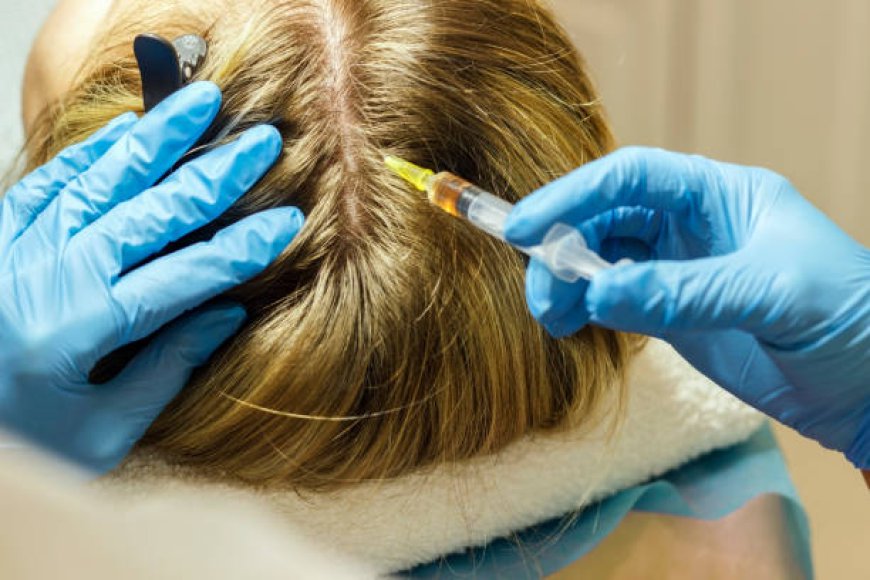
The procedure is generally considered well-tolerated by most patients. During the application, a clinician typically uses a series of micro-injections to ensure the serum reaches the dermal layer of the scalp where follicles reside. While you may feel a slight prickling sensation or minor pressure as the serum is administered, the use of topical numbing agents significantly mitigates discomfort. Most patients describe the sensation as manageable, often comparing it to minor acupuncture or a series of quick, tiny pinches.
What Are the Realistic Downtime Expectations?
One of the primary benefits of this regenerative approach is the minimal disruption to your daily life. Unlike surgical hair restoration, exosome hair in Dubai requires no extensive recovery period. You may notice some mild redness or slight tenderness in the scalp immediately following the session, which usually subsides within 24 to 48 hours. Most patients feel comfortable returning to their normal professional and personal activities the very next day, provided they avoid intense physical exertion that causes heavy sweating for the first 48 hours.
Who Should Consider Avoiding This Treatment?
While the therapy is safe for many, it is not universally appropriate. Individuals with active scalp infections, certain dermatological conditions that cause inflammation, or those with a history of specific scalp cancers should avoid this treatment. Additionally, patients with certain blood disorders or those currently undergoing intensive immunotherapy should consult a medical professional. A thorough physical assessment is required to ensure your scalp health is stable enough to respond to the regenerative signaling provided by the exosomes.
What Sensations Do Patients Feel After the Procedure?
In the days following your session, it is normal to experience a heightened awareness of your scalp. Some patients report a sensation of warmth or a light "tingling" feeling, which many clinical observers interpret as a sign of increased circulation to the treated areas. This usually resolves quickly. By the first week, most patients report that the treated area feels entirely normal. If you notice any unusual swelling or persistent pain, it is important to contact your clinical team, although such reactions are statistically rare in a controlled medical setting.
Patient Experiences
"I was worried that the injections would be painful, but it was much easier than I expected. The numbing cream made a huge difference. By the time I left the clinic, I felt perfectly fine and went straight back to my office." — Hassan
"The consultation really helped ease my anxiety. I had a lot of questions about whether this would actually work for my specific type of thinning, and the clinician was very honest about what to expect regarding the timeline for results. It felt like a very grounded, professional experience." — Fatima
Why Choose Us
At Tajmeels Clinic, we understand that your health is a private matter. We provide a controlled, sterile, and highly professional environment where your exosome hair in Dubai treatment is administered under strict medical supervision. By combining high-quality, clinical-grade exosomes with a compassionate, patient-first approach, we ensure that your hair restoration journey is both safe and effective, allowing you to prioritize your aesthetic and wellness goals with complete peace of mind.
Frequently Asked Questions
How soon will I see visible results?
Results are not immediate, as the process relies on biological regeneration. Most patients begin to notice a stabilization in hair shedding within 4 to 8 weeks, with improvements in hair thickness and density typically becoming visible after 3 to 6 months of consistent treatment and scalp monitoring.
How many sessions are typically required?
The number of sessions depends on the degree of thinning and your scalp's response to the therapy. While some patients see progress after one or two sessions, a series of three to six treatments is often recommended to achieve optimal, long-term stimulation of the hair follicles.
Can I combine this with other hair treatments?
Yes, this therapy is often used as a complementary treatment. It works well alongside other non-surgical hair restoration methods to create a more comprehensive approach to scalp health. Your clinical team will discuss whether a combined protocol is suitable for your specific goals during your consultation.
Is the treatment safe for all hair types?
Yes, this therapy is generally safe and effective for all hair textures and types. Because the mechanism of action focuses on follicle cell signaling rather than altering hair structure directly, it is highly versatile and suitable for patients regardless of their hair's natural wave, curl, or thickness.