Future of AI: Redefining How Humans Live, Work, & Innovate
As innovation accelerates, the future of AI is expected to bring even more profound changes.
 Saliha
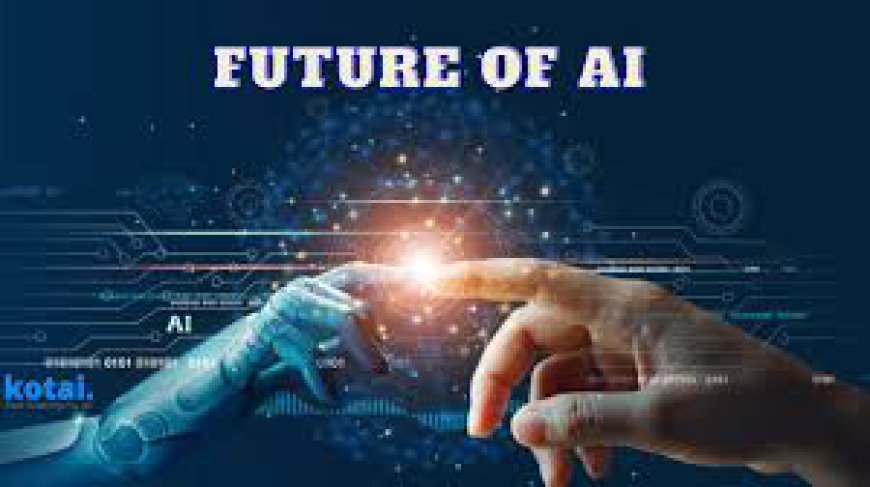
Artificial intelligence is no longer a concept reserved for science fiction movies or advanced research laboratories. It has become a powerful force influencing industries, economies, and everyday experiences around the world. From virtual assistants and recommendation systems to advanced medical tools and business automation, AI is already transforming how people interact with technology. As innovation accelerates, the future of AI is expected to bring even more profound changes.
The coming years will likely introduce smarter systems, new opportunities, and important challenges that require thoughtful planning. Understanding these developments can help individuals, businesses, and communities prepare for a world where artificial intelligence plays an increasingly significant role in shaping progress and innovation.
The Future of AI in Everyday Life
AI Will Create More Personalized Experiences
One of the most noticeable effects of artificial intelligence will be the rise of highly personalized experiences. AI systems are becoming better at understanding user preferences, behaviors, and interests. This allows digital platforms to recommend products, content, and services that match individual needs more accurately. In the future, personalization may extend beyond entertainment and shopping into healthcare, education, and financial services. As AI continues to learn from user interactions, people can expect more relevant experiences that save time, improve convenience, and enhance overall satisfaction.
Smart Living Will Become the New Standard
Artificial intelligence is expected to play a major role in the evolution of smart homes and connected living environments. Future AI-powered systems may automatically adjust lighting, temperature, security settings, and household appliances based on a person's habits and preferences. Rather than responding only to commands, these systems could proactively anticipate needs and optimize daily routines. As technology becomes more affordable and accessible, intelligent living spaces may become common in households around the world, improving comfort, efficiency, and energy management for millions of people.
Digital Assistants Will Become More Capable
Today's virtual assistants can answer questions, set reminders, and perform basic tasks. However, future AI assistants are expected to become far more advanced and useful. They may help manage schedules, coordinate projects, conduct research, and even assist with complex decision-making. By understanding context and user goals more effectively, AI assistants could function as valuable personal and professional support tools. This evolution may significantly reduce the time people spend on repetitive tasks, allowing them to focus more on creativity, relationships, and meaningful work.
How AI Will Transform Major Industries
Healthcare Will Shift Toward Prevention
Artificial intelligence is helping healthcare move from reactive treatment toward proactive prevention. By analyzing patient records, lifestyle data, and medical histories, AI systems can identify health risks before serious symptoms appear. This enables doctors to intervene earlier and provide personalized recommendations that improve long-term outcomes. In addition, AI-powered diagnostic tools can assist healthcare professionals in detecting diseases more accurately. As these technologies continue to improve, healthcare systems may become more efficient, accessible, and focused on maintaining wellness rather than simply treating illness after it develops.
Education Will Become More Individualized
Traditional education often follows a standardized approach that may not address the unique learning needs of every student. Artificial intelligence has the potential to change this by creating adaptive learning environments. AI-powered platforms can assess student performance, identify knowledge gaps, and customize educational content accordingly. This allows learners to progress at their own pace while receiving targeted support. Teachers also benefit from valuable insights that help improve instruction. As educational technology advances, AI may contribute to more engaging, effective, and inclusive learning experiences for students worldwide.
Businesses Will Operate with Greater Efficiency
Organizations across industries are adopting AI to streamline operations and improve decision-making. Intelligent systems can analyze vast amounts of data, forecast trends, optimize supply chains, and automate routine processes. These capabilities help businesses reduce costs while increasing productivity and responsiveness. Rather than replacing human expertise, AI often enhances it by providing actionable insights that support better decisions. Companies that embrace AI strategically are likely to gain a competitive advantage, adapt more quickly to market changes, and discover new opportunities for growth and innovation.
Challenges and Opportunities in the Future of AI
Ethical Development Will Remain Essential
As AI becomes more powerful, ethical considerations will play an increasingly important role in its development and deployment. Issues related to bias, transparency, accountability, and fairness must be addressed to ensure that AI systems serve society responsibly. Developers and organizations need to implement safeguards that reduce discrimination and improve trust. Clear ethical guidelines can help ensure that artificial intelligence supports positive outcomes while minimizing unintended consequences. Building public confidence in AI will be critical for encouraging widespread adoption and maximizing the benefits of technological advancement.
Human Creativity Will Continue to Matter
Despite rapid advancements in artificial intelligence, human creativity remains a unique and valuable strength. AI can generate content, analyze information, and automate tasks, but it lacks genuine human experiences, emotions, and cultural understanding. Creative professionals are increasingly using AI as a collaborative tool that supports innovation rather than replacing artistic talent. The influence of AI is even extending into fashion and culture, with future of ai emerging as an emerging streetwear brand inspired by technology and digital innovation. This demonstrates how AI is shaping not only industries but also modern creative expression.
Preparing for an AI-Powered Future
The future of AI presents enormous opportunities, but success will depend on preparation and adaptability. Individuals must continue developing skills that complement technology, including critical thinking, communication, and problem-solving. Businesses should invest in workforce training and responsible AI strategies to remain competitive. Governments and educational institutions also have important roles in creating policies and learning programs that support technological progress. By embracing lifelong learning and maintaining a balanced approach to innovation, society can maximize the benefits of AI while effectively addressing the challenges it may create.
Conclusion
The future of AI is about much more than advanced software and intelligent machines. It represents a transformation in how people live, work, learn, and create. From personalized experiences and smarter healthcare to improved education and business efficiency, AI has the potential to unlock remarkable opportunities across countless sectors. At the same time, ethical responsibility, privacy protection, and workforce readiness will remain essential considerations. By approaching AI with both optimism and responsibility, society can harness its potential to drive meaningful progress while ensuring that human values remain at the center of technological development.