Global Biolubricants Market Analysis: Strategic Trends and 2028 Forecast
 Darshana13
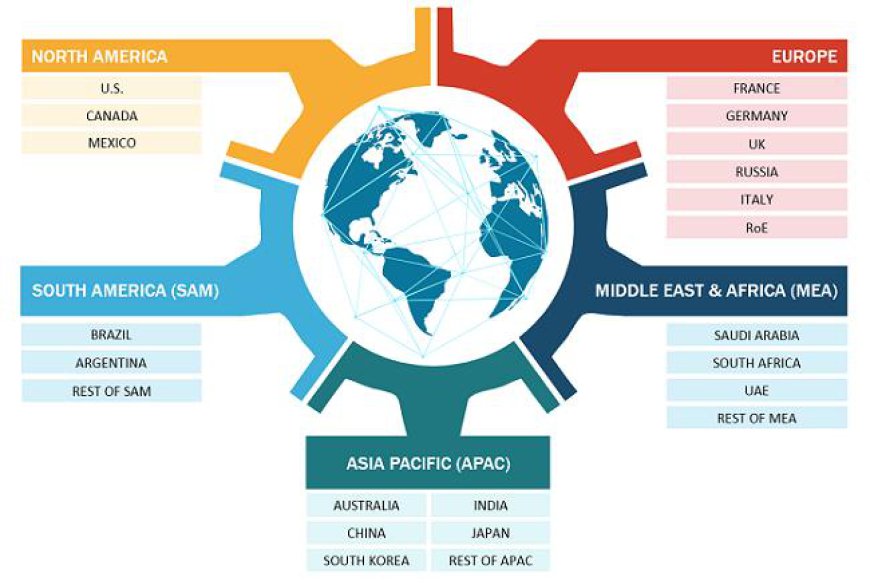
The global industrial landscape is undergoing a structural transition toward sustainable chemical solutions, driven by a combination of stringent environmental mandates and a corporate pivot toward ESG (Environmental, Social, and Governance) goals. Central to this evolution is the Biolubricants Market, a sector defined by the production of lubricants derived from renewable biological feedstocks such as vegetable oils, animal fats, and biodegradable synthetic esters. As of 2026, biolubricants have matured from niche "green" alternatives into high-performance industrial standards, essential for applications where fluid leakage or accidental discharge could cause irreparable ecological damage.
The market’s financial trajectory reflects its growing integration into global supply chains and heavy machinery maintenance. The biolubricants market is expected to grow from US$ 1,551.15 million in 2022 to US$ 1,902.41 million by 2028; it is estimated to record a CAGR of 3.5% from 2022 to 2028. This steady growth is underpinned by technological breakthroughs that have closed the performance gap between bio-based and conventional petroleum-based lubricants, particularly regarding oxidative stability, flash points, and temperature range versatility.
Equip your business with data-driven strategies and regional benchmarks. Download the Sample PDF Report here:
Dominant Biolubricants Market Trends Through 2028
The journey toward 2028 is being shaped by several high-impact trends that are redefining material science and industrial procurement protocols.
1. Shift Toward High-Performance Synthetic Esters
A defining biolubricants market trend in the current market is the migration from simple vegetable oils toward Synthetic Esters derived from biological sources. While traditional vegetable oils offer excellent lubricity, they historically struggled with oxidative stability at high temperatures. Modern synthetic bio-esters are chemically tailored to provide exceptional performance in extreme environments—both sub-zero temperatures (vital for North American and European winters) and high-heat industrial processes. This trend is allowing biolubricants to penetrate the aerospace and high-performance automotive sectors, which were previously the exclusive domain of mineral-based synthetics.
2. Integration of "Total Loss" Lubrication Standards
There is an accelerating trend toward mandating biolubricants in "total loss" applications—scenarios where the lubricant is released into the environment during use. This includes:
-
Forestry and Agriculture: Chainsaw oils and harvester lubricants.
-
Railway Systems: Flange and rail lubricants that prevent friction-related wear.
-
Marine: Stern tube oils and thruster lubricants. Regulatory frameworks, such as the EPA’s Vessel General Permit (VGP), are making the use of Environmentally Acceptable Lubricants (EALs) non-negotiable, forcing a permanent shift in procurement for global shipping and timber harvesting fleets.
3. Expansion of the Circular Bioeconomy and Localized Feedstocks
Sustainability is moving beyond the "product" to the "process." A major trend involves shortening the supply chain by sourcing feedstocks like soybean, rapeseed, and canola oil locally. This reduces the logistics-related carbon footprint of the lubricant's entire lifecycle. Furthermore, advancements in rendering technologies are allowing for the use of waste-based animal fats and used cooking oils (UCO) as feedstocks, aligning the biolubricants market with the broader goals of a circular bioeconomy.
Strategic Growth Drivers and Material Innovation
The move toward carbon-neutral manufacturing is providing a competitive edge for companies that adopt bio-based maintenance fluids. Beyond environmental benefits, biolubricants offer superior viscosity indices and higher flash points compared to mineral oils, which significantly improves fire safety in underground mining and factory environments.
Additionally, the synergy between the agricultural sector and lubricant manufacturers is creating a resilient supply chain that insulates industrial operators from the price volatility of global crude oil. As the "Green" construction sector expands, the demand for bio-based concrete release agents and mold oils is seeing a proportional surge, particularly in North America and the Asia-Pacific.
Top Key Players in the Global Industry
The competitive arena features a mix of traditional petrochemical conglomerates and specialized bio-chemical innovators. These leaders are setting the standard for the 2028 horizon through aggressive R&D and strategic partnerships:
-
Royal Dutch Shell plc
-
Exxon Mobil Corporation
-
TotalEnergies SE
-
Fuchs Petrolub SE
-
Panolin AG
-
Castrol (BP p.l.c.)
-
Emery Oleochemicals
-
Klüber Lubrication (Freudenberg Group)
-
Rowe Mineralölwerk GmbH
-
Environmental Lubricants Manufacturing, Inc. (ELM)
About Us
The Insight Partners is a one-stop industry research provider of actionable intelligence. We help our clients find effective solutions to their research requirements through our syndicated and consulting research services. Our expertise spans industries including Chemicals and Materials, Manufacturing, and Energy, delivering the data-driven insights needed for strategic decision-making in 2026 and beyond.
Contact Us
If you have any queries regarding the market trends in this report or require customized regional data for your 2028 strategy, please contact us:
The Insight Partners Email: sales@theinsightpartners.com
Phone: +1-646-491-9876
Website: