Steel Corridors of Energy Transition: How Industrial Pipeline Networks Sustain Global Infrastructure Flow
The global Line Pipe Market is projected to grow from USD 16.62 Billion in 2025 to USD 22.48 Billion by 2032, driven by expanding energy transportation infrastructure, cross-border pipeline networks, and long-term investments in oil, gas, and emerging hydrogen systems. Supported by IEA and ENTSOG frameworks, the market benefits from sustained demand for efficient hydrocarbon transmission and infrastructure modernization. While the global energy transition toward renewables may moderate long-term fossil fuel pipeline expansion, rising investments in hydrogen-ready and carbon transport networks are reshaping future growth opportunities. The industry remains structurally stable, anchored in energy security priorities, steel production cycles, and evolving low-carbon infrastructure development.
 adamwilliamson
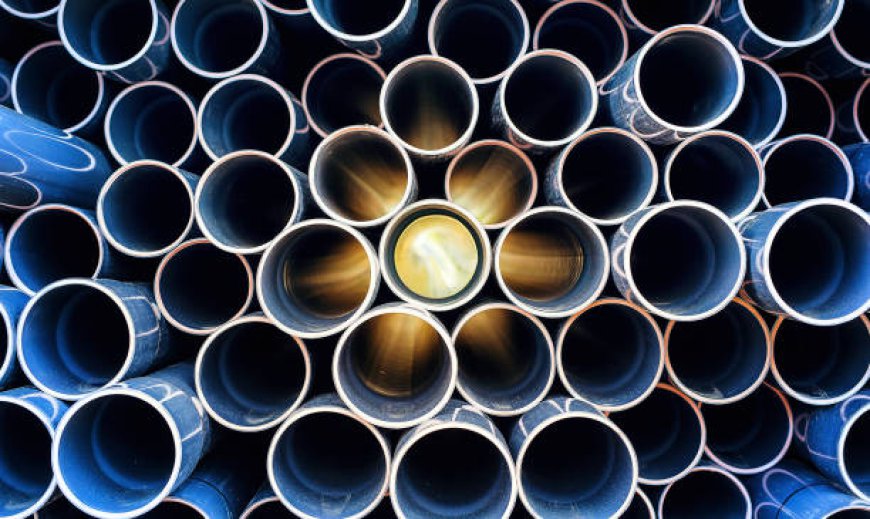
The global Line Pipe Market was valued at USD 16.62 Billion in 2025 and is projected to reach USD 22.48 Billion by 2032, expanding at a CAGR of 4.41% during 2026–2032. This trajectory in the Line Pipe Market size reflects sustained demand from energy transportation infrastructure, cross-border pipeline development, and long-cycle investments in oil, gas, and industrial transmission systems.
According to the International Energy Agency (IEA), global energy systems continue to rely heavily on pipeline infrastructure as the most efficient method for transporting hydrocarbons and industrial fluids across long distances. This structural dependence reinforces stable procurement cycles for line pipe systems across upstream and midstream operations.
Industrial Energy Transport Networks Driving Structural Demand
The Line Pipe Market trends are primarily shaped by the expansion and modernization of oil and gas transportation corridors. Line pipes remain critical components in moving crude oil, natural gas, and refined products between production sites, refineries, and distribution hubs.
According to the European Commission energy infrastructure framework, strengthening cross-border energy connectivity is essential for ensuring supply security and diversification across regions. This includes upgrading aging pipeline systems and expanding high-capacity transmission networks, directly supporting the long-term Line Pipe Market growth trajectory.
Material Engineering and Pipeline Standardization
The Line Pipe Market trends are increasingly influenced by advancements in steel metallurgy, welding precision, and corrosion-resistant coating technologies. Electric Resistance Welded (ERW) pipes remain widely used due to cost efficiency and production scalability, while seamless pipes are preferred for high-pressure and critical applications.
According to the American Petroleum Institute (API), pipeline materials must meet strict mechanical strength and pressure resistance standards to ensure safe and reliable operation under extreme conditions. These standards reinforce uniform quality benchmarks across global pipeline infrastructure and stabilize the Line Pipe Market size structure.
Application Demand Concentration Across Energy Systems
The Line Pipe Market growth is primarily driven by oil and gas transmission infrastructure, which accounts for the largest share of global demand. Onshore pipelines dominate due to lower installation costs and easier maintenance compared to offshore systems.
According to the International Association of Oil & Gas Producers (IOGP), pipelines remain the most efficient and safe method for transporting hydrocarbons over long distances. This operational advantage continues to support consistent demand for line pipes across upstream and midstream sectors.
Emerging applications in hydrogen transport and carbon capture networks are gradually expanding the scope of future pipeline infrastructure investment, influencing the long-term Line Pipe Market forecast.
Competitive Structure and Supply Chain Dynamics
The market is characterized by global steel manufacturers and specialized pipeline producers competing on material quality, certification compliance, and project-scale supply capabilities. Integrated steel producers maintain stronger positioning due to control over raw material quality and production efficiency.
According to the World Steel Association, infrastructure and energy investment cycles are key drivers of steel pipe demand globally, making the industry highly sensitive to capital expenditure trends in energy and construction sectors.
Growth Drivers Supporting Infrastructure Expansion
A major driver of the Line Pipe Market growth is global investment in energy security and infrastructure modernization. Governments and energy operators continue to prioritize pipeline expansion to enhance supply reliability and reduce transport inefficiencies.
According to the European Network of Transmission System Operators for Gas (ENTSOG), cross-border pipeline integration is essential for maintaining stable energy flows and balancing regional supply-demand fluctuations. This reinforces sustained demand across large-scale pipeline projects.
Structural Challenges and Energy Transition Pressure
The Line Pipe Market trends face long-term structural pressure from the global shift toward renewable energy systems. As fossil fuel dependency gradually declines, long-term expansion of oil and gas pipeline networks may slow.
According to IEA energy transition pathways, global energy systems are expected to reduce reliance on fossil fuels over time, while increasing emphasis on low-carbon hydrogen and carbon transport infrastructure. This transition reshapes investment priorities across pipeline systems and moderates traditional demand growth.
Emerging Hydrogen and Low-Carbon Pipeline Networks
The Line Pipe Market trends are increasingly influenced by hydrogen-ready pipeline development and repurposing of existing gas infrastructure. These systems require enhanced material compatibility to handle hydrogen embrittlement risks and pressure variations.
According to Hydrogen Europe, repurposing existing pipeline infrastructure is a key strategy for scaling hydrogen transport capacity across Europe, enabling cost-efficient transition pathways while maintaining infrastructure utilization.
Market Outlook
The global pipeline infrastructure ecosystem is expected to maintain steady, infrastructure-led growth supported by energy security needs, industrial demand, and transition fuel integration. The Line Pipe Market growth trajectory reflects a balanced structure between traditional oil and gas applications and emerging hydrogen infrastructure systems.
The Line Pipe Market forecast indicates moderate but stable expansion through 2032, driven by long-term infrastructure investment cycles and modernization of global transmission networks.
According to Vyansa Intelligence, the market remains structurally anchored in energy infrastructure development, steel production cycles, and evolving global energy transition strategies.