Grinder Pump Repair in Chester County: 5 Warning Signs
Alarm light on? Gurgling drains? Learn 5 grinder pump problems Chester County homeowners can't ignore, and when it's time for sewer line repair.
 tricounty011
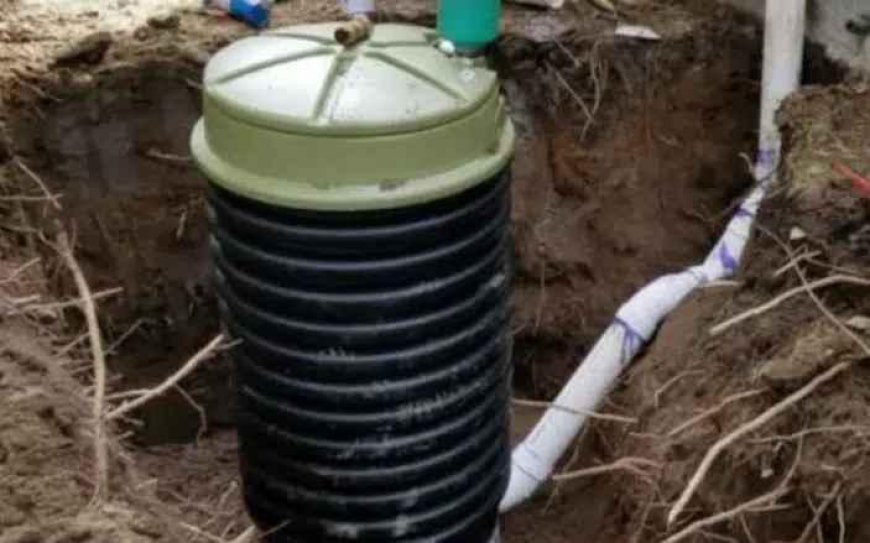
Grinder Pump Repair in Chester County: 5 Problems You Can't Ignore
Grinder pumps are one of those systems that stay out of sight and out of mind, right up until they don't. If your Chester County home sits below the level of the municipal sewer main, or relies on a pressurized system to move waste uphill, a grinder pump is doing quiet, essential work every single day. The problem is that most homeowners have no idea anything's wrong until a warning sign shows up, and by then, waiting even a day or two can turn a manageable repair into a much bigger mess.
Here are the five grinder pump problems Chester County homeowners should never ignore, what they usually mean, and when it's time to call in professional help.
1. The Alarm Light Is On
Every grinder pump system includes an alarm, usually a red light on a control panel mounted near the tank or inside the home. If that light is on, the holding tank has reached a level it shouldn't have, and the pump either isn't keeping up or has stopped working altogether.
This isn't a warning to note and move on from later. Most municipalities require alarm conditions to be addressed within 24 hours to avoid environmental violations, and an ignored alarm is exactly what turns into raw sewage backing up into your lowest drains. If your alarm is active, limit water use immediately and call a technician the same day.
2. Gurgling Drains or Slow Drainage Throughout the House
A single slow drain is often just a local clog. But gurgling sounds or sluggish drainage happening in multiple fixtures at once, your kitchen sink, a bathtub, and a toilet all acting up around the same time, usually points to a problem downstream in the grinder pump system itself, not an isolated fixture issue.
This pattern typically means the pump is struggling to move wastewater out of the tank as fast as it's coming in, whether from a clog, a failing motor, or a jammed cutting mechanism. Left alone, it tends to get worse quickly rather than resolve on its own.
3. Sewage Odors Near the Pump or in the Yard
A properly sealed and functioning grinder pump system shouldn't smell. If you're noticing sewage odors near the access lid, around the pump station, or drifting across your yard, something in the seal, vent, or tank itself has likely failed.
This one carries a health and environmental dimension beyond the plumbing itself. Odors often accompany small leaks that can contaminate soil or groundwater over time, which is exactly the kind of issue Pennsylvania municipalities want reported and resolved quickly rather than left to linger.
4. Unusually Lush, Green, or Soggy Grass Over the Line or Tank
This sign is easy to miss because it doesn't look like a plumbing problem at first glance. A patch of grass that's suddenly greener, wetter, or spongier than the rest of your yard, especially if it sits along the path between your home and the sewer main, often means wastewater is leaking underground before it ever reaches the tank or municipal line.
Because this kind of leak is happening below the surface, it can go on for a while before symptoms show up inside the house. If you notice this pattern, especially paired with any of the other signs on this list, it's worth having the line and system inspected, not just the pump itself. This is also one of the more common paths toward needing residential sewer line repair rather than a simple pump fix, since the underlying issue may be a compromised line rather than the pump.
5. The Pump Runs Constantly Instead of Cycling Normally
A healthy grinder pump cycles on when wastewater reaches a certain level, does its job, and shuts back off. If yours seems to be running nonstop or kicking on far more frequently than it used to, that's a sign something mechanical has gone wrong: a stuck float switch, a failing motor working overtime to compensate, or a clog forcing the pump to strain constantly against a blockage it can't clear.
Constant running doesn't just risk sudden failure. It also drives up your electric bill and shortens the pump's overall lifespan, turning a repair you could have caught early into a full replacement down the line.
Why These Problems Show Up in the First Place
Grinder pumps typically last seven to fifteen years with proper maintenance, but plenty fail well before that, usually because of what ends up flushed into the system. Wipes (even ones labeled "flushable"), feminine hygiene products, paper towels, cooking grease, dental floss, and cotton swabs are among the most common culprits behind clogged cutting mechanisms and overworked motors. Power surges and outages are another frequent cause, since electrical spikes can damage the motor or the float switch that tells the pump when to cycle.
Annual professional inspections go a long way toward catching these issues early. A typical maintenance visit checks oil levels in the motor chamber, the impeller and pump body for clogs, the motor and bearings for wear, the motor seal for leaks, and the breather vent for debris. Homes with heavier usage, or a history of past problems, may benefit from checking in more than once a year.
What to Do the Moment You Notice a Problem
-
Limit water use right away. Cutting back on flushing and running fixtures reduces pressure on a struggling system while you wait for help.
-
Know where your shutoff is. Being able to safely cut power to the pump during an active alarm or visible problem can prevent further damage.
-
Don't attempt a DIY fix. Contamination risk, electrical hazards, and the chance of worsening the damage make this a job for a licensed professional, not a weekend project.
-
Call a technician experienced with both grinder pumps and sewer lines. Since some symptoms, like soggy yard patches, can point to either a pump issue or a line issue, working with a company that handles both means getting the right diagnosis the first time instead of guessing.
Grinder Pump and Sewer Line Repair Throughout Chester County
Tri-County Water Services has been serving homeowners throughout Berks, Lancaster, Chester, and Delaware Counties for more than 20 years, handling everything from routine grinder pump maintenance to emergency repairs and residential sewer line repair when the problem runs deeper than the pump itself. Our technicians are experienced, upfront about pricing, and ready to get your system back in working order fast.
If you're noticing any of the five warning signs above, don't wait for it to get worse. Call Tri-County Water Services at 610-857-1740 to schedule an inspection or get emergency help when you need it most.
Read More: Grinder Pump Repair in Chester County: 5 Problems You Can’t Ignore
Frequently Asked Questions
How much does grinder pump repair typically cost?
Repair costs vary based on the severity of the issue, ranging anywhere from around $200 for a minor fix to $1,000 or more for major repairs like replacing a damaged motor. A technician can give you an accurate estimate after an inspection.
Can I troubleshoot a grinder pump problem myself?
Minor issues like checking your shutoff location or limiting water use during an alarm are fine to handle on your own, but the pump itself isn't a DIY project. Contamination risk, electrical hazards, and the potential to worsen the damage make professional service the safer route.
How is a grinder pump problem different from a sewer line problem?
A grinder pump grinds and pumps wastewater from your home to the sewer main or septic tank. A sewer line is the pipe carrying that waste the rest of the way. Symptoms can overlap, like soggy yard patches or slow drains, which is why it often takes a professional inspection to determine whether you need pump repair, residential sewer line repair, or both.
How often should a grinder pump be professionally inspected?
At minimum, once a year. Homes with heavier usage or a history of past problems may benefit from more frequent checks to catch small issues before they become expensive ones.
Will homeowners insurance cover grinder pump or sewer line damage?
Sometimes, if the damage resulted from a sudden, accidental event, gradual wear and neglect are typically excluded. It's worth calling your insurance provider to clarify your specific coverage before assuming either way.