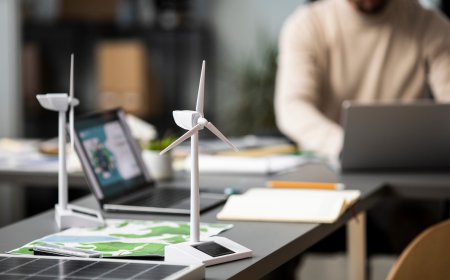
Office Furniture That Helps Build Efficient and Stylish Work Environments
 snowalex

A workplace should be designed to help employees stay focused, comfortable, and organized throughout the day. Office furniture is one of the most important elements in achieving this goal because it directly affects productivity, employee satisfaction, and the overall appearance of the workspace. From executive offices to shared workstations, choosing suitable furniture creates an environment where people can perform their responsibilities with ease. Businesses that invest in practical and durable furniture often enjoy better workflow, improved organization, and a professional image that leaves a positive impression on visitors.
The Importance of Office Furniture in Daily Operations
Every office depends on furniture to support everyday business activities. Employees need reliable desks, comfortable chairs, and organized storage to complete their work efficiently. Without the right furniture, even simple tasks can become more difficult due to poor organization or uncomfortable working conditions.
A well-furnished office also creates confidence among clients and business partners. An organized workplace reflects professionalism and shows that the company values quality in every aspect of its operations. This positive atmosphere benefits both employees and visitors while contributing to a stronger business reputation.
Understanding the Needs of Your Office
Before purchasing furniture, businesses should evaluate how their teams work each day. Different industries require different workspace arrangements. Administrative departments often benefit from individual desks, while creative teams may perform better in collaborative environments.
The available office space should also influence furniture selection. Compact offices require smart layouts that maximize every available area, while larger offices have greater flexibility to include meeting spaces, reception areas, and collaborative zones. Choosing furniture that matches business operations helps create a workplace that functions efficiently.
Proper planning also makes future expansion easier since adaptable furniture can be rearranged as teams grow.
Comfortable Workstations Improve Employee Performance
Employees spend a significant portion of their day sitting at their desks, making comfort an essential factor in workplace design. Ergonomic chairs provide proper back support and reduce physical discomfort during extended working hours. Adjustable seating allows employees to personalize their workspace according to their individual needs.
Spacious desks give employees enough room for computers, paperwork, and office accessories without creating clutter. Proper workstation design also promotes better posture and helps reduce fatigue, allowing employees to remain productive throughout the day.
Providing comfortable workstations demonstrates that a business values employee well-being while supporting long-term workplace performance.
Furniture That Supports Every Department
Different areas within an office require furniture designed for specific purposes. Executive offices need spacious desks and premium seating that reflect leadership and professionalism. Staff workstations should provide practical layouts that encourage concentration while allowing easy communication between team members.
Meeting rooms require sturdy conference tables and comfortable chairs to support discussions, presentations, and client meetings. Reception areas should include welcoming seating arrangements and functional reception counters that create a positive first impression.
Storage furniture, including filing cabinets and shelving units, keeps documents organized and ensures employees can quickly access important materials whenever needed.
Creating a Well-Organized Office Layout
Furniture placement is just as important as furniture selection. A thoughtfully planned layout improves movement throughout the workplace and helps employees perform tasks more efficiently.
Workstations should be arranged to balance privacy with collaboration. Shared spaces should remain easily accessible without disrupting nearby employees. Storage units should be positioned where they can be reached conveniently while keeping work areas clear of unnecessary clutter.
An organized office layout improves communication, reduces distractions, and creates a more comfortable environment for everyone.
Popular Design Styles for Modern Offices
Many businesses today prefer office interiors that combine simplicity with functionality. Clean furniture designs, neutral finishes, and organized layouts create a timeless appearance suitable for various industries.
Flexible furniture continues to gain popularity because it allows businesses to adapt their office arrangement whenever operational needs change. Multi-purpose tables, modular workstations, and movable storage units provide greater flexibility without requiring major renovations.
Modern office design also focuses on creating balanced environments where employees can work individually or collaborate comfortably with colleagues.
Choosing Strong and Reliable Materials
Office furniture experiences daily use, making durability an important factor during selection. High-quality materials help furniture maintain its appearance while reducing maintenance and replacement costs.
Solid wood remains a popular option because of its durability and classic appearance. Engineered wood provides a cost-effective solution with attractive finishes suitable for modern offices. Steel frames add stability, especially for workstations and storage cabinets that experience heavy use.
Durable upholstery materials also extend the lifespan of office seating while remaining easy to clean and maintain.
Smart Storage for Better Organization
A productive office depends on proper organization. Storage furniture helps businesses manage paperwork, office supplies, and equipment while keeping workstations clean and efficient.
Filing cabinets protect important documents and make record management easier. Mobile drawer units allow employees to keep frequently used items nearby, while open shelving provides convenient access to books, manuals, and decorative displays.
Keeping work areas free from unnecessary clutter creates a more pleasant environment and allows employees to focus on their responsibilities without distractions.
Office Furniture for Flexible Business Operations
As workplaces continue to evolve, many businesses require furniture that can adapt to changing work styles. Shared workstations, modular desks, and movable furniture provide greater flexibility for organizations with hybrid or rotating work schedules.
Furniture with built-in cable management helps maintain neat workstations while supporting computers, monitors, and other office technology. Portable meeting tables and stackable chairs make it easy to adjust office spaces for training sessions, presentations, or collaborative projects.
Flexible furniture solutions allow businesses to make the most of available space while responding quickly to changing operational requirements.
Reception Areas Leave a Lasting Impression
The reception area serves as the first point of contact for clients, suppliers, and visitors. Well-designed reception furniture creates a welcoming atmosphere while reinforcing the company's professional image.
Comfortable seating, organized reception counters, and tasteful furnishings contribute to a pleasant waiting experience. Simple decorative elements, combined with practical furniture, help create a clean and inviting entrance that reflects the company's standards.
A carefully designed reception area strengthens visitor confidence before business discussions even begin.
Keeping Office Furniture in Excellent Condition
Routine maintenance helps office furniture remain attractive and functional for many years. Regular cleaning removes dust and prevents surface damage, while periodic inspections ensure moving parts continue operating properly.
Office chairs should be checked for loose components and smooth adjustment functions. Wooden furniture benefits from gentle cleaning products that protect the finish, while fabric seating should be cleaned regularly to maintain a fresh appearance.
Taking care of furniture protects the company's investment and ensures employees continue working in a comfortable and professional environment.
Conclusion
Selecting suitable office furnishings is an important step toward building an efficient and organized workplace. Well-planned furniture improves employee comfort, supports productivity, enhances workplace appearance, and contributes to better daily operations. By choosing durable materials, functional layouts, and practical storage solutions, businesses can create offices that meet current needs while remaining adaptable for future growth. Queens arts and trends offers dependable furniture solutions that help businesses create professional workspaces designed for comfort, efficiency, and long-lasting value.