Grinder Pump vs. Sump Pump: What Failed in Your Home?
Not sure if it's a sump pump or grinder pump issue? Learn the key differences, warning signs, and who to call in Berks, Lancaster, Chester & Delaware Counties.
 tricounty011
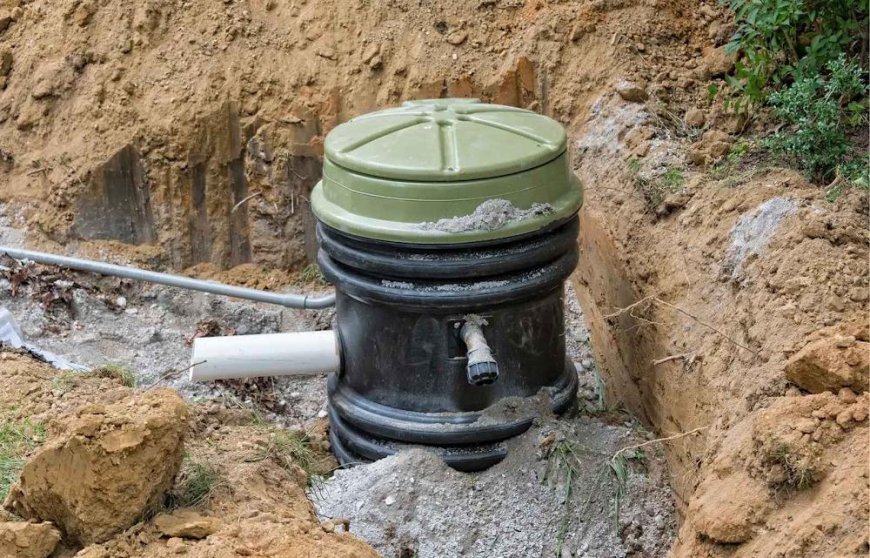
Grinder Pump vs. Standard Sump Pump: What's the Difference and Which One Failed?
Water where it shouldn't be, or worse, sewage backing up into your home, sends most homeowners straight to Google trying to figure out what just broke. The confusion usually starts here: is this a sump pump problem or a grinder pump problem? They sound similar, sit in similar-looking basins, and both live quietly in a basement or utility area until something goes wrong. But they do completely different jobs, and knowing which one failed changes everything about how the repair gets handled.
If you're dealing with a pump failure in Berks, Lancaster, Chester, or Delaware County, here's how to tell these two systems apart, why the distinction actually matters, and what the warning signs are pointing to.
What a Sump Pump Actually Does
A sump pump's entire job is groundwater control. It sits in a basin, usually the lowest point of a basement or crawl space, and activates when water rises past a certain level. That water typically comes from rain, snowmelt, or a naturally high water table pushing moisture through the foundation.
Sump pumps only move clear water. They're not built to handle solids, waste, or anything thicker than what seeps in from the ground. When one is working correctly, it cycles on during wet weather, pumps water out to a discharge line away from the foundation, and shuts back off. Most homeowners barely notice it running unless they're standing near the basin during a storm.
What a Grinder Pump Actually Does
A grinder pump handles an entirely different, and higher-stakes, job: moving sewage. If your home sits below the level of the municipal sewer line, or your property relies on a pressurized system to move waste uphill or over long distances, a grinder pump is what makes that possible.
Inside the unit, a cutting mechanism shreds solid waste, toilet paper, and other material into a fine slurry before a motor pumps it out under pressure toward the sewer main or septic tank. Unlike a sump pump, there's no passive backup if a grinder pump quits. Gravity can't save you here. When it fails, sewage has nowhere to go but back into your home's lowest drains.
The Core Difference, in One Sentence
A sump pump moves clean groundwater to keep your basement dry. A grinder pump moves sewage and wastewater so your home's plumbing has somewhere to send it. They are not interchangeable, and swapping one in for the other is a fast way to cause expensive damage, whether that's a burnt-out motor from asking a sump pump to handle solids it was never built for, or sewage backup because a grinder pump wasn't in place to move waste that needed pressure assistance.
Signs Point to a Sump Pump Problem If You're Seeing:
-
Water pooling around the sump basin or seeping across the basement floor, especially after rain
-
A sump pump that runs constantly without ever fully shutting off
-
No water movement out of the discharge line even though the basin is filling
-
A musty smell or dampness with no sewage odor involved
-
Visible rust, cracking, or corrosion on the pump housing itself
These symptoms point to groundwater intrusion the pump isn't managing, whether that's a failed motor, a stuck float switch, a clogged discharge line, or a unit that's simply reached the end of its service life.
Signs Point to a Grinder Pump Problem If You're Seeing:
-
A red alarm light active on the control panel
-
Gurgling sounds are coming from drains throughout the house
-
Slow drainage in multiple fixtures at once, not just one sink or tub
-
Sewage odors near the pump basin or in the yard
-
Wet, soggy patches or unusually lush green grass over the pump station or line
-
The pump is running constantly instead of cycling normally
If you're noticing any combination of these, the issue almost certainly involves sewage, not groundwater, and it needs professional attention fast. Most municipalities require grinder pump alarms to be addressed within 24 hours to avoid environmental violations, and letting a failing unit sit is what turns a repair into a full basement cleanup.
Why Grinder Pumps Fail More Often Than People Expect
Grinder pumps typically last seven to ten years with proper annual maintenance, but plenty fail well before that because of what gets flushed. The rule is simple: only water, human waste, and regular toilet paper should go into a system feeding a grinder pump. In practice, a lot of items end up in there anyway, and each one shortens the pump's lifespan:
-
Wipes of any kind, even ones labeled "flushable." They don't break down the way toilet paper does and are one of the most common causes of a jammed cutting mechanism.
-
Feminine hygiene products, which behave similarly to wipes and resist the grinding process.
-
Cooking grease, which builds up gradually inside the pump and the line until it creates a full blockage.
-
Paper towels, cotton swabs, dental floss, and other solids never designed to pass through a grinder system.
Beyond flushing habits, power surges and outages are a leading mechanical cause of failure, since electrical spikes can burn out the motor or damage the float switch that tells the pump when to cycle.
Why Sump Pumps Fail
Sump pump failures are usually more mechanical than behavioral. A stuck or corroded float switch, a worn-out motor after years of heavy seasonal use, a clogged intake screen, or a frozen or blocked discharge line are the most common culprits. Power outages during storms are also a major risk factor, since that's exactly when a sump pump is needed most. A battery backup system is one of the more affordable ways to avoid that specific failure point.
What to Do the Moment You Suspect a Failure
-
Limit water use immediately if you suspect a grinder pump issue. Cutting back on flushing and running fixtures reduces the risk of the tank overflowing while you wait for a technician.
-
Don't attempt a DIY fix on a grinder pump. The contamination risk, electrical hazards, and potential to worsen the damage make this a job for a licensed professional, not a weekend project.
-
Check your insurance coverage before assuming you're on your own. Sudden, accidental damage may be partially covered, though gradual wear and neglect typically are not. A quick call to your provider can clarify where you stand.
-
Call a technician experienced in both types of systems. Since the two pumps look similar but require completely different repair approaches, working with a company that handles both means the right diagnosis the first time.
Getting the Right Pump and the Right Repair, the First Time
The most expensive mistakes with these systems almost always come from misidentifying the problem: treating a sewage backup like a simple groundwater issue, or assuming a grinder pump repair is as simple as a sump pump swap. Getting a licensed technician who specializes in both systems out to your property quickly is the difference between a straightforward fix and a much bigger, messier repair bill.
Tri-County Water Services handles grinder pump and sump pump installation, repair, and maintenance throughout Berks, Lancaster, Chester, and Delaware Counties. Our technicians are upfront about pricing, experienced with both residential systems, and ready to respond to alarms, backups, and flooding fast.
If you're seeing any of the warning signs above, don't wait for the problem to get worse. Call Tri-County Water Services to schedule a diagnosis and get your system back in working order.
Read More: Grinder Pump vs. Standard Sump Pump: What’s the Difference and Which One Failed?
Frequently Asked Questions
Can a sump pump handle sewage in an emergency?
No. Sump pumps aren't built to move solids and will burn out or clog almost immediately if used for sewage. Using the wrong pump type is one of the fastest ways to turn a manageable problem into a major repair.
How do I know if my home even has a grinder pump?
Homes built below the level of the municipal sewer line, or on properties using a pressurized low-pressure sewer system, typically rely on a grinder pump. If you're unsure, a technician can identify your setup during an inspection.
Is it normal for a grinder pump to run constantly?
No. A healthy grinder pump cycles on and off as waste accumulates. Constant running usually signals a mechanical or electrical problem, such as a stuck float switch or a failing motor, and should be checked promptly.
What should I do if my grinder pump alarm goes off?
Limit water use in the house right away and call a plumber. The alarm means the holding tank level is too high, and ignoring it risks a sewage backup into your home.
Will homeowners' insurance cover a failed pump?
Sometimes, if the failure was sudden and accidental. Gradual wear or neglect is usually excluded. It's worth calling your insurance provider to check your specific policy before assuming you're covered or not.
How often should these systems be professionally inspected?
Roughly every one to two years for both pump types, checking the motor, float switch, and any cutting mechanism. Between inspections, watch for alarms, unusual noise, or slow drainage as early red flags.