Gym Bag Statistics That Show How Athletes Organize Their Training Gear
Gym bag statistics show how athletes separate workout gear, accessories, and recovery items before heading to training.
 put-the-work-in
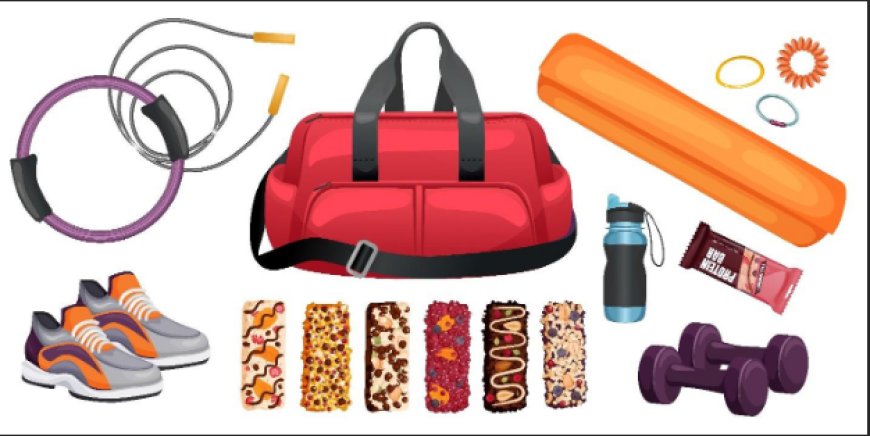
Staying organized is an important part of any athlete’s routine, and the gym bag often becomes the center of that preparation. From workout clothes and shoes to recovery tools and hydration gear, athletes rely on well-packed gym bags to keep training days efficient and stress-free. The way athletes organize their gear can influence how smoothly workouts begin, how quickly they recover afterward, and how consistently they stick to their routines. Recent gym bag statistics reveal interesting patterns in how athletes pack, what items they prioritize, and how organizational habits vary across different sports and fitness levels.
Looking at these numbers offers a clearer picture of how preparation and organization support better training experiences and more productive time in the gym.
Key Takeaways
-
Hydration tools remain the most consistent item athletes bring to training sessions.
-
Clothing and hygiene items play a key role in maintaining comfort after workouts.
-
Supplements and protein snacks have become common due to the focus on recovery nutrition.
-
Many strength athletes carry small accessories that support grip, mobility, or warmups.
-
Gym bag statistics show that it typically holds several items to prepare athletes for different workout situations.
Gym Bag Statistics on What Athletes Actually Pack for Training
-
How Many Athletes Bring Water Bottles to the Gym
Hydration is a key part of workout performance. Studies suggest that 75% of Americans are chronically dehydrated, prompting gyms to emphasize hydration during workouts. Now, gym bag statistics say that about 60–70% of gym-goers bring a water bottle to workouts to maintain fluid balance during exercise.
Athletes commonly pack:
-
Insulated bottles
-
Shaker bottles
-
Electrolyte drink containers
These bottles are usually stored in the outer pockets of gym bags for quick access between sets.
-
Carrying Post-Workout Nutrition in Athlete Gym Bags
Post-workout nutrition is part of many training routines. Research on gym populations shows about 58% of gym users carry dietary supplements, including protein shakes and recovery products.
Common examples of an athlete's personalized backpack include:
-
Protein bars
-
Pre-measured protein powder
-
Ready-to-drink protein shakes
-
Energy snacks like nuts or fruit
These items help athletes refuel soon after demanding training sessions.
-
Workout Accessories Athletes Bring to the Gym
Many athletes carry small accessories that support strength training and warm-ups. Gym bag statistics of 377 gym users found widespread use of performance aids in training routines.
Athletes commonly pack accessories such as:
-
Lifting straps
-
Resistance bands
-
Weightlifting gloves
-
Mini loop bands
These compact tools are easy to store in gym bag side pockets for quick use.
How Athletes Organize Clean and Used Training Gear
Packing gear is only part of gym preparation. Many athletes organize their bags to keep equipment clean and easy to access during workouts.
According to gym bag statistics, athletes often rely on simple organizational habits such as:
-
Separate shoe compartments to keep footwear away from clothing.
-
Laundry pouches for sweat-soaked workout gear.
-
Ventilated pockets that reduce moisture and odor buildup.
-
Mesh or plastic bags for towels and damp items.
Many athletes also pack bags in advance and clean them regularly to maintain hygiene.
Conclusion
A well-packed gym bag reflects how athletes prepare for consistent training and recovery. Gym bag statistics show that most athletes carry essentials like hydration tools, nutrition snacks, workout clothing, and small training accessories to stay ready for different workout demands. These items help support performance, comfort, and recovery throughout the training session. Organization also plays an important role, as many athletes use compartments and pouches to separate clean and used gear. Simple habits like packing ahead of time and keeping bags clean make workouts smoother and more efficient.
In the end, a thoughtfully organized gym bag helps athletes stay focused, prepared, and ready to perform every time they step into the gym.
FAQs
-
Do strength athletes carry different items in their gym bags, like a personalized crop top?
Yes. Strength athletes often pack accessories such as lifting straps, resistance bands, weightlifting gloves, and a custom crop top. These tools support grip, improve warm-ups, and help with specific exercises.
-
What trends appear in gym bag statistics about workout accessories?
These statistics highlight the use of small training tools such as resistance bands, lifting straps, and gloves. These accessories support strength training, mobility exercises, and warm-up routines.
-
How often should a gym bag be cleaned?
Sports hygiene experts recommend cleaning gym bags at least once a week, especially when sweaty clothing is stored in them, including items such as shirts, towels, or a crewneck sweatshirt.
-
What are the most common mistakes when packing a gym bag?
Common mistakes include forgetting hydration tools, not separating wet clothes, and overpacking unnecessary items. Keeping only essential gear helps make gym bags easier to manage.