Heart Coherence Exercises Explained: What HRV Trends Suggest About Stress Recovery
Learn how heart coherence exercises may support HRV trends, stress recovery, emotional balance, and healthier daily regulation.
 coherencealchemy
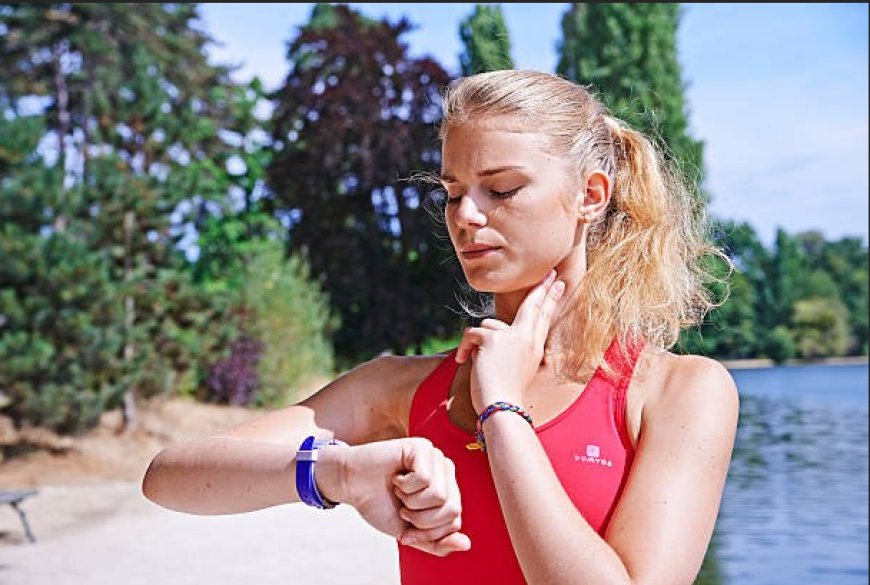
“Can your heartbeat show when stress is finally letting go?”
Heart coherence exercises focus on the connection between breathing, attention, and the rhythm of the heart. When stress builds, the body often responds through changes in heart rate, breathing patterns, and nervous system activity. HRV trends can offer helpful clues about how the body moves between tension, recovery, and steadier balance.
Understanding heart coherence exercises can make this process easier to see. These practices use slow breathing and gentle focus to support calm, improve self-awareness, and help the body shift out of stress mode. Instead of viewing stress as only a mental experience, heart coherence shows how recovery can also begin through the body.
Key Takeaways
-
Heart coherence exercises support calm breathing and nervous system balance.
-
They may help the body recover faster after stress.
-
HRV trends show how stress, sleep, and habits affect recovery.
-
Higher HRV may suggest better recovery.
-
Lower HRV may suggest ongoing stress or fatigue.
-
One low HRV reading is not enough to judge progress.
-
HRV is useful for awareness, but it is not a diagnosis.
What are Heart Coherence Exercises?
Heart coherence exercises combine slow breathing, heart-focused attention, and positive emotional awareness. The goal is to help the body move into a more balanced state where the nervous system feels less reactive and more regulated.
These exercises are often used in wellness coaching, stress recovery programs, mindfulness practices, and spiritual integration work. They do not force the body to relax. Instead, they create conditions that may help the body shift toward calm through breath, attention, and emotional steadiness.
For people going through emotional change, personal growth, or major life transitions, heart coherence exercises can be part of a broader support system. They help create a steady inner pause, making it easier to respond with clarity rather than react from stress.
A simple heart coherence exercise
Try this for 5 minutes:
-
Sit comfortably with your shoulders relaxed.
-
Breathe in through the nose for about 5 seconds.
-
Breathe out for about 5 seconds.
-
Keep the breath smooth, quiet, and unforced.
-
Place attention on the chest or heart area.
-
Continue for 5 minutes, then notice how your body feels.
Many people do best with 5 to 10 minutes once or twice daily. The goal is not to force a high HRV number. The goal is to practice a recovery state that becomes easier to access under pressure.
When paired with helpful integration resources, such as journaling, guided reflection, breathwork recordings, or supportive coaching, heart coherence exercises may help people build more emotional stability over time.
What HRV Trends Suggest About Stress Recovery
1. Higher HRV May Suggest Better Recovery
A rising HRV trend may suggest that the nervous system is adapting well to stress and recovering more effectively. Higher HRV is often associated with greater flexibility in the body's stress-response systems.
This is why heart coherence exercises are often used in stress recovery and transformation services. They support the body’s ability to return to a calmer rhythm after emotional or physical strain
2. Lower HRV May Suggest Ongoing Stress
A consistently lower HRV trend may suggest that the body is experiencing increased stress or has not fully recovered from physical, emotional, or environmental demands. This may occur due to poor sleep, emotional stress, illness, overwork, dehydration, or burnout.
During these periods, life transition support can be especially helpful. Supportive routines, rest, nervous system regulation, and practical guidance can make recovery feel more manageable
3. One Low HRV Reading Is Not Enough
A single low HRV value does not always indicate that something is wrong. HRV changes daily. The trend over several days or weeks is more important than one reading. This is also important in spiritual integration work, where emotional shifts may affect sleep, energy, mood, and stress levels. Looking at patterns rather than single readings provides a more realistic view of recovery.
4. Rising HRV After Rest is a Good Sign
When HRV improves following restorative habits such as quality sleep, relaxation, balanced activity, or breathing exercises, it may indicate that the body's recovery systems are functioning effectively.
5. Falling HRV Can Be an Early Warning
A gradual decline in HRV may indicate that the body is experiencing increased demands or insufficient recovery. It can be a useful signal to prioritize rest, stress management, and self-care.
6. HRV Helps Identify Stress Triggers
HRV trends may help people recognize patterns between daily habits and recovery. Factors such as poor sleep, emotional stress, alcohol use, illness, or intense training can sometimes be reflected in HRV changes.
7. Heart Coherence May Influence HRV Patterns
Heart coherence exercises use slow, steady breathing and focused attention to encourage more synchronized communication between the heart and nervous system. While individual results vary, some people notice improvements in HRV trends over time as they practice regularly and support overall stress recovery.
8. HRV Supports Better Self-Awareness
Tracking HRV can help people understand when they are balanced and when they are overloaded. This makes it easier to choose healthier routines before stress builds up. This self-awareness is useful for spiritual integration, personal healing, and life transition support because it helps people stay connected to both emotional insight and physical signals.
Conclusion
Heart coherence exercises offer a simple way to support stress recovery by combining steady breathing, heart-focused attention, and emotional calm. When practiced regularly, they may help the nervous system become more balanced and easier to regulate under pressure.
HRV trends can provide useful insights into how the body responds to sleep, stress, rest, and daily habits. A rising HRV trend may suggest better recovery, while a falling trend may show the need for more care. Used with awareness, these practices can support emotional stability, spiritual integration, and healthier responses during life transitions.
FAQs
How often should I practice heart coherence exercises?
Most people can start with 3 to 5 minutes once or twice daily. Consistency matters more than length.
Can heart coherence exercises improve HRV?
They may support healthier HRV trends for some people, especially when combined with sleep, stress management, movement, and emotional regulation. Results vary from person to person.
Are heart coherence exercises the same as meditation?
They are similar, but not exactly the same. Heart coherence usually focuses on paced breathing, heart attention, and a positive emotional state. Meditation may use many different methods.
Can I use heart coherence during anxiety?
Some people find it helpful during mild stress or anxious moments. If anxiety is severe, persistent, or linked to trauma, professional support is important.
Do I need a wearable device to practice?
No. A wearable can help track HRV trends, but the exercise itself can be practiced without any device.
How do heart coherence exercises connect with spiritual integration?
They help bring awareness back into the body, which can be useful after deep reflection, spiritual experiences, emotional breakthroughs, or major personal change.
What should I look for in transformation services?
Look for ethical guidance, clear boundaries, realistic claims, practical tools, and support that respects your emotional and physical safety.