Hidden Germ Hotspots in Every Home Most People Ignore
Discover the hidden germ hotspots in your home that most people overlook. From kitchen sponges to TV remotes, learn where bacteria lurk and how to keep your family safe and healthy.
 harshitprajapati086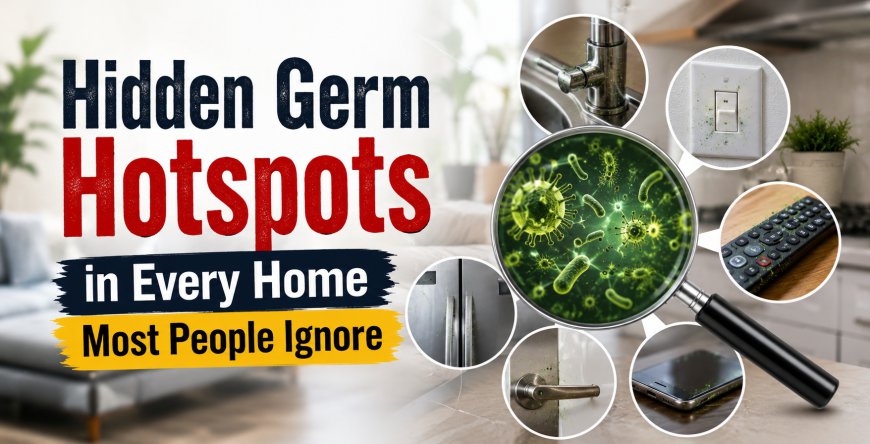
Most people feel confident about their cleaning routine. They scrub the toilet, wipe down the kitchen counter, and mop the floors — and call it a day. But here is the uncomfortable truth: the dirtiest spots in your home are probably not the ones you are cleaning. Germs are clever. They colonise the surfaces we touch the most yet think about the least, quietly multiplying in the spaces we glance over with a damp cloth and consider done. Understanding where these invisible threats hide is the first step toward a genuinely cleaner, healthier home.
The Kitchen Sponge: A Bacterial Hotel
Let us start in the kitchen, because this is where most homeowners believe they are doing their best work — and where they are often most wrong. The humble kitchen sponge sits at the top of nearly every microbiologist's list of the most contaminated objects in a household. A single used sponge can harbour hundreds of millions of bacteria per square centimetre, including harmful strains like E. coli and Salmonella. Every time you wipe a surface with that sponge, you are potentially spreading bacteria rather than removing it. The warmth, moisture, and trapped food particles make it an ideal breeding ground. Replace your sponge every one to two weeks, or better yet, use washable microfibre cloths that can be properly sanitised between uses.
The Kitchen Sink: Dirtier Than Your Toilet
While we are in the kitchen, take a hard look at your sink. Studies have consistently found that the average kitchen sink contains more bacteria than the average toilet seat. Food particles, standing water, and the damp environment around the drain make it a thriving hub for microbial life. People rinse raw chicken, unwashed vegetables, and dirty plates in the sink, and then use it moments later to wash their hands before eating. Wiping the sink with a contaminated sponge makes things worse, not better. A daily scrub with a disinfectant and a weekly deep clean around the drain can make a significant difference.
Light Switches and Door Handles
Think about how many times a day you touch light switches and door handles — and think about how rarely they get cleaned. These surfaces are touched by every person in the household, often with unwashed hands, and they are almost never part of a standard cleaning routine. Research has found that light switches in bathrooms are particularly problematic, as people reach for them immediately after using the toilet and before washing their hands. A simple weekly wipe-down with a disinfectant spray takes seconds but eliminates a surprising amount of microbial buildup.
Remote Controls and Phones
Your TV remote and mobile phone are two of the most touched objects in daily life, and two of the most ignored when it comes to cleaning. The average mobile phone carries more bacteria than a toilet handle, largely because we carry them everywhere — to the bathroom, to the table, to bed — and almost never clean them. Remote controls are passed between family members, handled while eating snacks, and dropped on the floor regularly. Bacteria thrive in the tiny gaps between buttons. A weekly wipe with a lightly dampened antibacterial cloth does the job without damaging electronics.
The Bathroom Toothbrush Holder
Most bathrooms have a toothbrush holder sitting right beside the sink, and most people never clean it. Water drips from wet toothbrushes after every use, creating a consistently damp environment at the base of the holder. Combine that with close proximity to the toilet — every flush sends a fine mist of particles into the air, landing on nearby surfaces — and you have a surprisingly grimy object sitting two inches from something that goes directly into your mouth. A weekly rinse and occasional scrub with hot soapy water takes very little effort.
Reusable Shopping Bags
Reusable grocery bags are brilliant for the environment, but they come with a hygiene catch that most people do not think about. Raw meat, unwashed produce, and leaked groceries leave behind bacteria that continue to multiply inside the bag. Studies have found coliform bacteria and other pathogens in a significant percentage of reusable bags tested, particularly when bags were stored in car boots where warmth encourages bacterial growth. Washing your bags after every grocery run — most fabric bags are machine washable — eliminates this risk entirely.
Under the Kitchen Appliances
The gap between and beneath your refrigerator, oven, and kitchen appliances is a place most people clean perhaps once a year, if that. Crumbs, dust, grease, and moisture accumulate in these spaces and create ideal conditions for bacteria, mould, and even pests. The drip tray underneath many refrigerators, in particular, can become a petri dish of mould and bacteria that most homeowners have never once inspected. Pulling appliances out for a quarterly deep clean keeps these hidden colonies in check.
The Washing Machine Drum
There is something almost ironic about a dirty washing machine, but it is a very real problem. Modern low-temperature wash cycles are better for fabrics and energy consumption, but they do not always kill bacteria effectively. Over time, detergent residue, fabric softener, and moisture build up inside the drum, door seal, and detergent drawer, creating conditions where mould and bacteria thrive. Running an empty hot cycle with a washing machine cleaner once a month — and leaving the door ajar between uses to allow the drum to dry — prevents the buildup and keeps your machine genuinely clean.
Mattresses and Pillows
You spend roughly a third of your life in bed, and mattresses absorb years' worth of dead skin cells, sweat, dust mites, and their waste. Pillows accumulate similar material at an even faster rate since they sit directly against your face every night. Dust mite allergies are one of the most common household allergens, and mattresses and pillows are their primary habitat. Washing pillows every three months, using mattress protectors, and vacuuming the mattress surface regularly dramatically reduces exposure. Replacing pillows every one to two years is also worth doing if you want to genuinely address the issue.
A Cleaner Home Starts with Awareness
Cleaning thoroughly is about more than following the same routine on autopilot. The surfaces that accumulate the most bacteria are often the ones that feel too small, too ordinary, or too easy to overlook. Once you know where germs actually hide, it becomes much easier to build habits that address them. You do not need harsh chemicals or hours of extra effort — you just need to look in the right places. A home that is truly clean is one where the forgotten corners get as much attention as the obvious ones. Try Fizzclean.