How Commercial Solar Installation Reduces Costs
Discover how commercial solar installation helps reduce long-term operating costs by lowering energy expenses, improving efficiency, and supporting financial stability for businesses.
 hansphilip
0
13
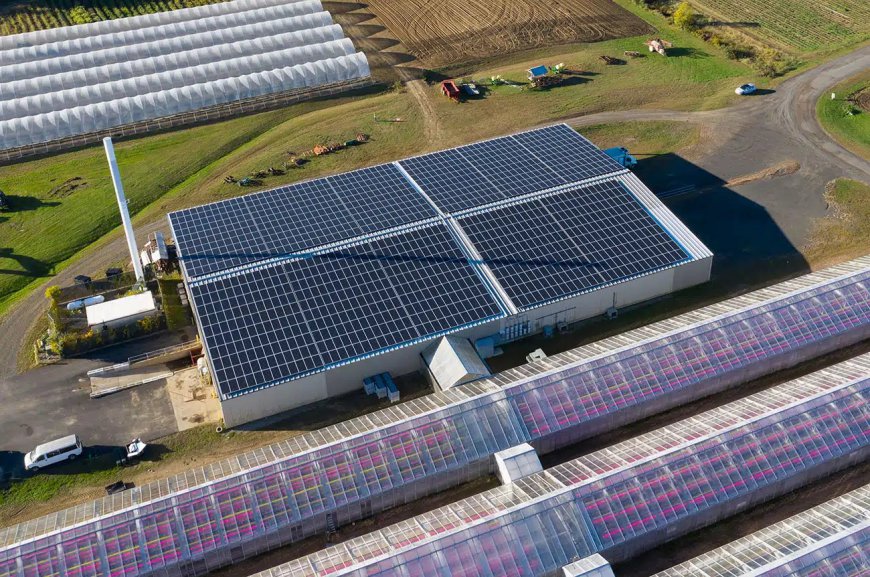
In recent years, many organizations have started exploring renewable energy as a practical way to manage rising operational expenses. One of the most effective approaches is adopting solar power systems designed for large properties. A commercial solar installation allows businesses to generate electricity on-site, reducing reliance on traditional utility providers. Over time, this shift can influence long-term budgeting, energy planning, and overall financial stability. As energy demand continues to rise, more decision-makers are evaluating how solar energy can support sustainable cost management strategies. Initial assessments often show that energy consumption patterns can be optimized when renewable systems are integrated thoughtfully.
Lower Energy Expenses Through On-Site Generation
One of the most immediate financial advantages comes from producing electricity directly at the site of use. By generating power on location, facilities can reduce the volume of electricity purchased from external providers. This shift helps stabilize monthly operating costs, especially during periods of peak demand when rates are typically higher. Over time, savings accumulate as dependence on grid-supplied energy decreases. For many organizations, the adoption of a commercial solar installation becomes a practical response to fluctuating utility pricing and long-term budgeting uncertainty. This contributes to more predictable expense management across fiscal cycles and supports better allocation of operational resources.
Reduced Maintenance and Operational Strain
Infrastructure designed for solar energy generally involves fewer moving parts compared to conventional power systems. This can translate into reduced maintenance requirements over time. Routine inspections remain important, but the frequency and complexity of servicing may be lower. As a result, organizations often experience fewer operational disruptions related to energy supply systems. Planning becomes more predictable, allowing teams to focus on core activities rather than unexpected equipment issues linked to traditional power dependency. In many cases, a commercial solar installation also integrates monitoring tools that help track performance and identify inefficiencies early. This helps extend system reliability and supports smoother day-to-day energy management across facilities.
Improved Energy Efficiency and Stability
Energy systems that rely on solar input can contribute to more stable operational performance. By generating power during daylight hours, facilities can offset a significant portion of their consumption needs. This balance helps reduce strain on external grids and supports more consistent energy availability. Over time, improved efficiency in energy use can lead to better forecasting and planning. Organizations are better equipped to understand their consumption patterns and adjust usage behaviors accordingly. Such improvements often support long-term financial planning by aligning energy usage with actual demand. Data-driven insights also encourage more efficient operational decisions across departments.
Long-Term Financial Impact of Solar Adoption
Over an extended period, the financial effects of renewable energy adoption become more apparent. Reduced reliance on external electricity sources contributes to more stable operating budgets and improved cost predictability. Investments in energy infrastructure can influence overall organizational planning, especially in sectors with high energy consumption. A commercial solar installation can play a role in shaping long-term financial strategies by reducing exposure to fluctuating energy prices and supporting more consistent expense structures. As organizations continue to evaluate sustainability and efficiency, solar integration remains a practical consideration for long-range planning. This approach also aligns with broader efforts to manage resources responsibly over time. Gradual improvements in energy independence further strengthen operational resilience.
Additional Operational Benefits of Renewable Integration
In addition to cost considerations, renewable energy systems can support broader operational improvements across facilities. Better energy visibility allows teams to plan usage more effectively and reduce unnecessary consumption during low-demand periods. This can also contribute to smoother workflows by minimizing disruptions linked to external power variability. Over time, these operational adjustments create a more balanced and predictable energy environment for organizations of different sizes.