How Criminals Create Fake Car Shipping Companies
Discover how fake car shipping companies operate, warning signs to watch, and tips to avoid Car shipping scams safely.
 Moving Scam Stories
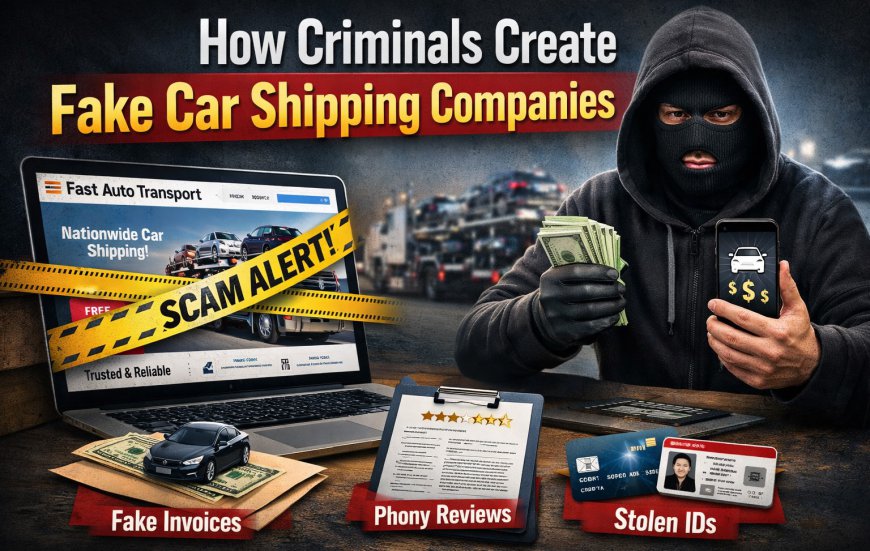
Shipping a car can be stressful, especially if you are moving across the country. Most people expect the process to be straightforward: get a quote, schedule a pickup, and wait for the vehicle to arrive. Unfortunately, some criminals exploit this process to trick unsuspecting car owners.
The Rise of Fake Auto Transport Companies
Fraudsters have become increasingly sophisticated in the auto shipping industry. Many create professional-looking websites, complete with stock photos of trucks, fake USDOT numbers, and glowing reviews. These details make the company appear legitimate at first glance.
How Websites Are Used to Deceive
-
They often copy content from real transport companies to build trust.
-
Some display fake certifications to seem credible.
-
Reviews are fabricated to show “100% customer satisfaction.”
By presenting a polished image, scammers can lure customers into Car shipping scams without raising suspicion.
Manipulating Online Platforms
Criminals also exploit search engines and social media ads to reach potential victims. They appear in top search results or sponsored listings, creating a sense of legitimacy. During peak moving seasons, scammers increase their activity because more people are searching for transport services.
Timing Attacks During Peak Seasons
Summer months, when relocations increase by nearly 30% in the U.S., are especially profitable. Scammers know more people will respond to urgent offers, making the scams more effective.
Typical Tactics Used in Vehicle Transport Fraud
Unrealistically Low Quotes
One of the most common tactics is offering quotes far below the market average. For example, if shipping a car typically costs $1,200 to $1,500, a fraudulent company may quote $600 to $700.
-
This tactic is known as a car shipping bait and switch.
-
Low prices create urgency, pushing customers to act without verification.
-
A deposit, often 20–40% of the total cost, is requested upfront through non-reversible payment methods such as wire transfers or cryptocurrency.
Fake Documentation and Contracts
After receiving a deposit, scammers send professional-looking contracts and confirmation emails. These often include:
-
Altered logos and names resembling real companies
-
Terms and conditions that appear official
-
Fake transport IDs
Many customers fall for these documents because they look legitimate, not realizing they have entered a trap.
Minor Changes to Trick Customers
Some criminals slightly alter legitimate company names or URLs. For example, changing one letter in a real company’s name can make the scam seem authentic.
Warning Signs of a Car Shipping Scam
Being able to spot red flags can prevent financial loss. Some key warning signs include:
-
Prices significantly lower than the market average (auto transport broker scams)
-
Requests for deposit before services are verified (car shipping deposit scam)
-
Poor or inconsistent communication from the company
-
No verifiable USDOT number or corporate registration
-
Fake testimonials or stock photos used as company visuals
How to Stay Alert
If you notice any of these, it is likely a fake auto transport company trying to defraud you.
Bullet Points for Quick Checks
-
Always verify the company’s USDOT number on official government sites.
-
Avoid paying large deposits through irreversible methods.
-
Cross-check company reviews and online presence.
-
Compare multiple quotes and don’t rush decisions.
-
Learn from real-life cases on platforms like Moving Scam Stories to understand common patterns.
Real Examples and Reports
Many victims have shared stories of losing hundreds or even thousands of dollars. Some common situations include:
-
Car shipping scam examples where a company disappeared after collecting a deposit.
-
Auto shipping scam red flags ignored, such as no written contract or a lack of physical address.
-
Common auto transport scams include last-minute “additional fees” or pretending trucks broke down.
Statistics show that vehicle transport fraud reports have risen steadily, with hundreds of complaints filed each year. These scams thrive because people are often relocating under stress, making it harder to verify each company properly.
How to Protect Yourself from Vehicle Transport Fraud
Prevention Tips
Taking a few extra steps can significantly reduce the risk of falling victim to Car shipping scams:
-
Verify the company using official databases.
-
Check the age of the company website and domain.
-
Ask for references from previous customers.
-
Avoid companies offering deals that seem “too good to be true.”
-
Recognize car transport scam warning signs such as vague contracts or unrealistic guarantees.
Common Mistakes to Avoid
Many victims ignore red flags, such as:
-
Trusting online reviews without verification
-
Paying the full amount upfront
-
Relying solely on social media advertisements
-
Not consulting experienced transport services for guidance
By staying vigilant, you can avoid losing money and ensure your vehicle is delivered safely.
Why Awareness Matters
Fraudsters succeed because they rely on stress, urgency, and trust. During relocations, people often focus on deadlines and overlook warning signs. Learning about Moving scams and staying informed can prevent these crimes. Knowledge is your best defense, and reading real experiences shared by others can provide practical tips to identify and avoid fraud.
The key takeaway is that even professional-looking websites and contracts may be part of a scam. Consumers must always verify, question, and take time to make decisions.
Conclusion
Fake car shipping companies are not rare accidents; they are planned operations that exploit trust and human behavior. By understanding common tactics, recognizing red flags, and taking preventive measures, you can protect yourself from losing money or experiencing unnecessary stress.
Awareness, verification, and caution are the best tools for staying safe while shipping your vehicle. Always remember, a legitimate service will be transparent, verifiable, and patient with your questions.