How Does Home Care Assist With Chronic Illness Care?
Learn how professional home care assists with chronic illness, offering personalized plans, medication support, daily care, and emotional well-being.
 smitjohn11
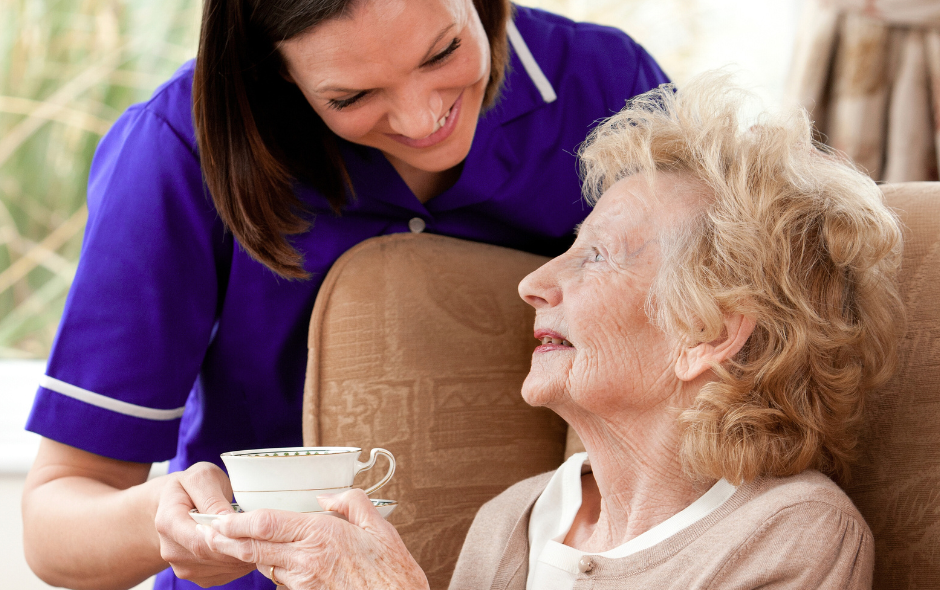
A home care provider plays a critical role in assisting individuals with chronic illnesses. Conditions such as diabetes, heart disease, and arthritis require constant monitoring, medication adherence, and lifestyle adjustments. Professional caregivers provide both physical and emotional support, ensuring patients maintain independence while managing daily routines. This care reduces the risk of complications, hospital visits, and unnecessary stress on family members. By offering structured assistance, home care enhances safety, promotes better health outcomes, and improves the overall quality of life for patients living with long-term health conditions.
Personalized Care Plans for Chronic Illness
Home care services create individualized care plans tailored to each patient’s medical and personal needs. These plans are developed with input from healthcare professionals to ensure proper medication schedules, dietary requirements, and activity levels. Personalized routines allow caregivers to monitor symptoms closely and detect changes early. This structured approach prevents complications and supports patients in achieving optimal health. By focusing on specific needs, home care helps patients manage their conditions effectively, reduces stress, and ensures continuity of care. Tailored plans are central to long-term stability and improved well-being.
Assistance With Medication Management
Managing medications is often challenging for chronic illness patients. Home care providers help by organizing daily medications, ensuring correct dosage and timing. They monitor for side effects or potential adverse reactions and communicate with doctors or pharmacists about any adjustments. Caregivers also educate patients and families on proper medication use, ensuring adherence to treatment plans. This support minimizes missed doses, reduces errors, and prevents worsening of conditions. Effective medication management not only improves health outcomes but also provides peace of mind for patients and their families.
Monitoring Health and Vital Signs
Regular monitoring of vital signs is crucial in chronic illness care. Home caregivers track blood pressure, blood sugar, heart rate, and other important metrics, documenting trends and reporting changes to healthcare providers. Early detection of abnormalities helps prevent emergencies and hospitalization. Caregivers also teach patients to observe symptoms and understand their own health patterns. This combination of professional oversight and patient education encourages proactive self-care. Continuous monitoring ensures patients remain stable and safe, providing a reliable system to manage long-term conditions effectively.
Support With Daily Living Activities
Chronic illnesses can make routine tasks challenging and exhausting. Home care providers assist with daily activities such as bathing, dressing, meal preparation, mobility, and light housekeeping. This support allows patients to remain in their homes safely while preserving independence. Reducing physical strain helps prevent accidents and allows patients to conserve energy for treatment and recovery. Assistance with everyday tasks ensures a structured, comfortable environment, enabling patients to focus on their health needs while maintaining dignity and autonomy. Daily living support is essential for consistent, long-term chronic illness management.
Emotional and Social Support
Living with a chronic illness can lead to isolation, anxiety, and depression. Home caregivers provide emotional support, offering companionship and encouraging engagement in activities and hobbies. Regular interaction reduces feelings of loneliness and promotes mental well-being. Positive social connections contribute to better adherence to treatment plans and enhance overall quality of life. Caregivers help patients remain motivated, fostering a supportive environment that complements physical care. Emotional support is a vital component of home care, addressing the mental health challenges often associated with long-term health conditions.
Coordination With Healthcare Professionals
Home care providers serve as a link between patients and medical teams. They schedule appointments, communicate patient progress, and relay any concerns to doctors. Caregivers may attend medical visits, providing insight into daily challenges and helping healthcare providers make informed adjustments to treatment plans. This coordination ensures continuity of care and reduces misunderstandings or missed instructions. Close collaboration strengthens patient safety and improves outcomes. By acting as a bridge between home and healthcare providers, caregivers ensure that chronic illness management remains consistent, organized, and effective.
Promoting Healthy Lifestyle Choices
Managing chronic illness requires lifestyle adjustments including diet, physical activity, and stress management. Home care providers assist by preparing nutritious meals tailored to dietary restrictions, encouraging safe exercises, and providing reminders for hydration and sleep. They also guide patients in stress-reduction techniques such as meditation or relaxation practices. Support in lifestyle management reinforces medical treatment and empowers patients to take active roles in their health. Small, consistent interventions at home can significantly improve overall well-being and complement ongoing chronic illness therapies.
Preventing Complications and Emergencies
Home care helps reduce risks associated with chronic illnesses by ensuring patients follow their care plans accurately. Monitoring, medication management, and lifestyle guidance allow caregivers to detect early warning signs of complications. Immediate action can prevent health emergencies, reducing hospitalizations. Structured support provides reassurance to both patients and families, promoting confidence in daily routines. Prevention-focused care ensures that patients maintain stability and safety in their homes. By addressing potential issues proactively, home care strengthens long-term health outcomes and supports consistent chronic illness management.
Conclusion:
Professional home care plays an essential role in improving the daily lives of individuals with chronic conditions. Through personalized care plans, medication support, health monitoring, daily living assistance, emotional care, and medical coordination, caregivers create a safe and structured environment. Patients maintain independence while receiving the support they need, and families gain peace of mind. Home care provides a comprehensive solution for managing chronic illnesses effectively at home, ensuring better health outcomes, stability, and overall quality of life.
FAQs
How does home care improve medication adherence?
Caregivers organize and monitor medications, track side effects, and communicate with doctors to ensure proper treatment.
Can home care reduce hospital visits?
Yes. Regular monitoring and early intervention prevent complications, reducing emergency hospitalizations.
What daily tasks do caregivers assist with?
Support includes bathing, dressing, mobility, meal preparation, and light housekeeping to maintain independence.
How is mental health supported for chronic illness patients?
Caregivers provide companionship, encourage hobbies, and reduce isolation, stress, and anxiety.
How do caregivers coordinate with medical teams?
They relay progress, attend appointments, and ensure adherence to prescribed treatments.