How Does Stem Cells Therapy Work?
 carehealth
Stem Cells Therapy in Dubai is gaining attention as a modern regenerative approach that focuses on supporting the body’s natural ability to repair damaged tissues. Many individuals explore Stem Cells Therapy in Dubai for conditions that affect joints, mobility, and overall wellness because it targets the root cause rather than only masking symptoms. This treatment continues to evolve as medical science advances, offering a deeper understanding of how the body can heal itself when supported correctly.
Understanding the Basics of Stem Cell Science
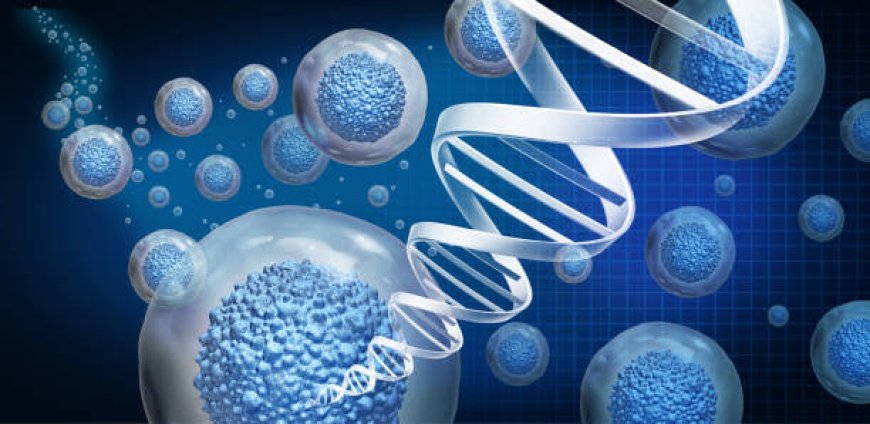
Stem cells are unique biological cells with the ability to develop into different types of specialized cells in the body. Unlike regular cells that serve a specific function, stem cells can transform and assist in regenerating damaged tissues. This makes them a powerful tool in regenerative medicine, especially for individuals dealing with injuries or degenerative conditions. The process begins when stem cells are collected from safe sources within the body or approved biological materials, then prepared for therapeutic use.
Once introduced into the affected area or bloodstream, these cells respond to signals from damaged tissues. They begin to repair, replace, or support weakened cells depending on the body’s needs. In many cases, the treatment also helps reduce inflammation, which is often a major cause of pain and limited movement. Over time, this biological support encourages the body to rebuild itself more efficiently, which is why stem cell-based procedures are increasingly studied across various medical fields.
How the Healing Mechanism Works in the Body
The effectiveness of regenerative therapy lies in how stem cells communicate with the body’s internal repair system. After administration, these cells travel to areas where damage or inflammation is present. They respond to chemical signals released by injured tissues, allowing them to focus precisely where healing is required. This targeted action helps improve tissue repair without affecting surrounding healthy structures.
Additionally, stem cells release bioactive molecules that play an important role in healing. These molecules help stimulate natural repair processes, improve blood flow, and encourage the growth of new cells. As a result, the affected area gradually experiences improved function and reduced discomfort. The process is not instant, as the body requires time to rebuild and adapt, but consistent biological support can lead to noticeable improvements over weeks or months depending on the condition being treated.
In regenerative medicine discussions, Stem Cells Therapy is often highlighted for its ability to work in harmony with the body rather than replacing it. Instead of introducing artificial substances, it enhances what already exists within the human system. This approach is what makes it appealing for individuals seeking long-term improvement rather than temporary relief.
Common Applications and Treatment Areas
Stem cell-based procedures are being explored in a variety of medical conditions, particularly those involving tissue degeneration or chronic inflammation. These include joint issues such as knee pain, cartilage wear, and sports injuries. They are also being studied for spinal conditions, tendon damage, and certain autoimmune disorders where inflammation plays a significant role.
Another growing area of interest is aesthetic and anti-aging medicine, where stem cells are used to support skin rejuvenation and improve overall tissue quality. In these applications, the goal is to enhance cellular regeneration, which may contribute to healthier skin texture and improved elasticity over time. While research is still ongoing, the versatility of this approach continues to expand its use in both medical and wellness-focused fields.
Biological Repair and Cellular Communication
One of the most important aspects of stem cell therapy is cellular communication. Once introduced into the body, stem cells interact with existing cells through signaling pathways. These signals help coordinate repair functions and ensure that healing occurs in a structured manner. This process includes reducing inflammation, stimulating tissue regeneration, and supporting the formation of new blood vessels in damaged areas.
Because the body’s healing response varies from person to person, outcomes can also differ based on age, condition severity, and overall health. However, the underlying principle remains the same: enhancing the body’s natural repair system rather than replacing it. This makes regenerative therapy a unique option in modern healthcare, especially for individuals looking for minimally invasive solutions.
Recovery and Expected Progress
Recovery after stem cell-based procedures is generally gradual, as the treatment relies on natural biological processes rather than immediate mechanical correction. Most individuals continue with normal daily activities while the body responds internally. Over time, improvements in mobility, comfort, and tissue strength may become more noticeable.
Physiotherapy or supportive lifestyle adjustments are sometimes recommended to complement the treatment and enhance outcomes. Since the therapy works at a cellular level, consistency in follow-up care and overall health maintenance can influence long-term results. The gradual nature of improvement is often seen as a benefit, as it reflects real tissue regeneration rather than temporary symptom suppression.
Conclusion
Regenerative medicine continues to shape the future of healthcare by offering approaches that focus on healing from within. With continued research and advancements, therapies like this are becoming more refined and widely understood for their potential in treating complex conditions. Clinics offering such services, including Dynamic Clinic, are contributing to the growing awareness and accessibility of regenerative options for patients seeking innovative care solutions.