How Does Weather Affect Lawn Trimming Schedules?
 harryslawncare43
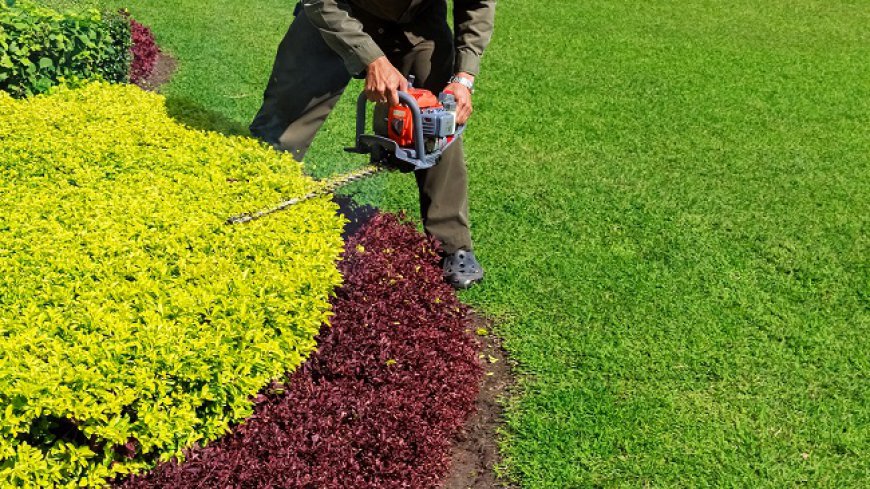
A lush, healthy lawn is more than just mowed grass. It requires precise attention to the edges, borders, and hard-to-reach areas that a standard mower simply can't handle. This is where professional lawn trimming services come in, offering the finishing touch that transforms an average yard into a polished, well-maintained landscape.
Whether you're a new homeowner or someone looking to upgrade your yard maintenance routine, understanding what lawn trimming involves, how often it should be done, and why it matters can help you make smarter decisions about your property's upkeep.
What Do Lawn Trimming Services Actually Include?
Lawn trimming services go beyond simply cutting grass shorter. It focuses on the details that mowing alone misses, such as:
-
Trimming grass along fences, walkways, and flower beds
-
Edging around driveways and sidewalks for crisp, clean lines
-
Cutting grass around trees, mailboxes, and garden structures
-
Removing overgrown patches that mowers can't reach
Professional teams combine trimming with broader lawn care routines to ensure every corner of your property looks intentional and well-kept, not just mowed in the middle and neglected at the edges.
Lawn Trimming vs. Lawn Mowing: What's the Difference?
Many homeowners use these terms interchangeably, but they serve different purposes.
Mowing cuts the main surface area of the lawn evenly, typically using a rotary or push mower. Trimming, on the other hand, targets the areas mowers can't access: tight corners, narrow strips, and edges along hardscaping.
A lawn that's mowed but never trimmed often looks unfinished, with shaggy borders that undercut an otherwise tidy yard. Combining both services is the only way to achieve a uniformly manicured look.
How Often Should You Trim Your Lawn?
Trimming frequency depends on a few factors, including grass type, growth rate, and the season.
Peak Growing Season (Late Spring to Summer)
During periods of active growth, grass along edges and borders can grow noticeably within a week or two. Most lawns benefit from trimming every one to two weeks during this stretch to keep growth in check and maintain a consistent appearance.
Fall and Early Spring
As temperatures cool, grass growth slows. Trimming every two to three weeks is usually sufficient during these transitional seasons.
Winter Considerations
In most parts of Canada, grass growth halts entirely once frost sets in, meaning trimming isn't necessary. However, a final trim before winter dormancy helps the lawn enter the cold season looking clean and reduces the chance of matting under snow cover.
Why Regular Lawn Trimming Improves Lawn Health
Trimming isn't purely cosmetic. Consistent trimming supports the overall health of your lawn in several ways:
Prevents thatch buildup. Overgrown edges can trap moisture and debris, creating conditions for thatch and fungal growth.
Encourages even growth. Regular trimming helps grass grow more uniformly, reducing patchy or uneven sections near borders.
Reduces pest hiding spots. Overgrown grass along fences and structures can become a haven for insects and rodents. Keeping these areas trimmed limits their appeal.
Improves curb appeal. A well-trimmed lawn immediately signals that a property is cared for, which matters whether you're maintaining your home or preparing it for sale.
What Tools Do Professionals Use for Lawn Trimming?
Professional lawn care teams typically rely on a combination of equipment to achieve clean, precise results:
String Trimmers (Weed Whackers)
These handle grass in tight spaces, along fences, and around obstacles that mowers can't navigate.
Edgers
Edging tools create sharp, defined lines along driveways, walkways, and garden beds. For a deeper look at how edging complements trimming, see this guide on lawn trimming and edging services.
Hedge and Shrub Trimmers
While technically separate from grass trimming, many lawn care packages include trimming around shrubs and small trees to keep the whole landscape cohesive. Larger tree work often requires more specialized care, which is why homeowners sometimes reference a tree pruning and trimming guide to understand when a job goes beyond basic yard maintenance.
How to Choose the Right Lawn Trimming Service
Not all lawn care providers offer the same level of detail or consistency. When evaluating a service, consider the following:
Experience and Local Knowledge
Canadian climates vary significantly by region, and a provider familiar with local grass types and seasonal patterns will deliver better results than a generic service.
Range of Services
Look for companies that offer trimming alongside complementary services like edging, shrub care, and seasonal cleanup. This ensures your entire property is maintained cohesively rather than piecemeal.
Reliability and Scheduling
Consistency matters. A provider who shows up on a predictable schedule helps prevent the overgrowth that leads to a neglected appearance between visits.
Reviews and Reputation
Check for customer feedback that specifically mentions attention to detail, since trimming quality is often where lower-tier services cut corners.
How Much Does Lawn Trimming Cost in Canada?
Pricing varies based on several factors:
-
Yard size: Larger properties with more edges and borders take longer to trim.
-
Frequency: Weekly or biweekly service plans often come at a lower per-visit rate than one-off appointments.
-
Property complexity: Yards with many trees, garden beds, or irregular borders require more detailed work.
-
Bundled services: Combining trimming with mowing, edging, and shrub care can be more cost-effective than booking services separately.
Getting a quote based on your specific property is the most reliable way to understand costs, since national averages don't always reflect regional pricing differences.
Best Practices for Trimming Around Trees and Shrubs
Trimming near trees and shrubs requires extra care to avoid damaging root systems or bark. A few best practices include:
-
Maintaining a small buffer zone around tree trunks to prevent trimmer damage
-
Avoiding repeated contact with bark, which can weaken a tree over time
-
Adjusting trimming height near shrub bases to protect root structures
-
Scheduling more detailed pruning separately when trees or shrubs need shaping beyond routine trimming
Signs Your Lawn Needs Professional Trimming Services
If you're unsure whether it's time to bring in a professional, watch for these signs:
-
Grass along edges and borders visibly overtaking mowed areas
-
Uneven growth patterns near fences, walkways, or garden beds
-
Difficulty maintaining consistent results with DIY tools
-
A yard that looks mowed but still appears unkempt overall
Conclusion
Lawn trimming services play an essential role in maintaining a clean, healthy, and visually appealing yard throughout the year. From precise edging along walkways to careful trimming around trees and shrubs, the details make all the difference between an average lawn and a truly well-maintained property. For homeowners across Canada looking for reliable, detail-oriented care, Harry's Lawn Care offers professional trimming services tailored to your lawn's specific needs, helping you achieve consistent, polished results season after season.
Frequently Asked Questions
1. How is lawn trimming different from lawn mowing?
Mowing cuts the main open areas of grass, while trimming handles edges, borders, and tight spaces around obstacles that mowers can't reach, giving the lawn a finished, uniform appearance.
2. Can I trim my lawn myself, or should I hire a professional?
DIY trimming is possible with a string trimmer, but professionals bring consistency, proper technique, and the right tools to avoid damaging grass, trees, or garden features, especially on larger or more complex properties.
3. Does lawn trimming help prevent weeds?
Yes. Regularly trimmed edges reduce overgrown patches where weeds often take hold, making it easier to spot and manage weed growth before it spreads.