How Sanitation Services Reduce Disease Risk During Humanitarian Emergencies
See how sanitation services reduce disease risk in Sudan, Somalia, and South Sudan through safe water, latrines, waste control, and WASH action.
 worldpovertysolutions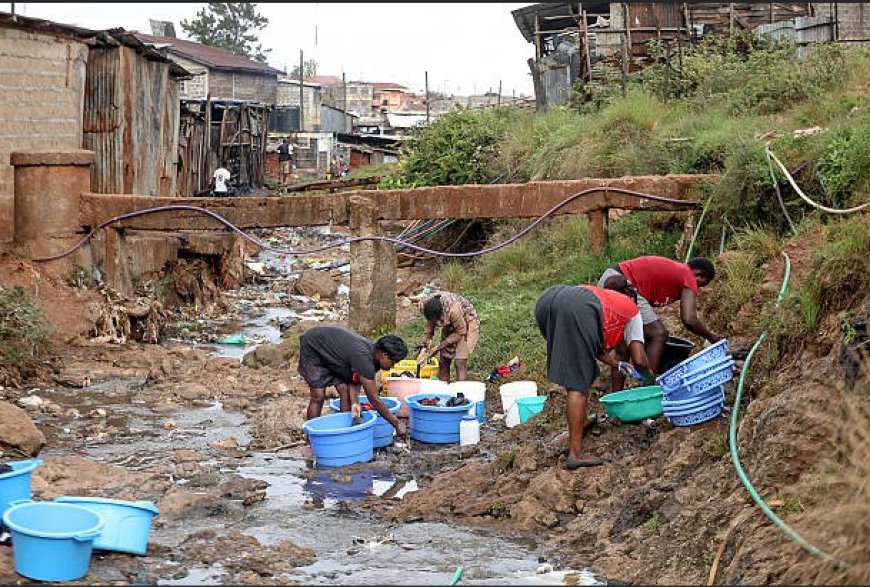
Humanitarian emergencies often create more than immediate displacement. Whether caused by conflict, drought, or flooding, they can quickly lead to disease outbreaks when safe water and sanitation systems break down. In countries such as Sudan, Somalia, and South Sudan, these risks continue to affect millions of people living in humanitarian settings.
That’s where sanitation services become lifesaving. They help you protect drinking water, reduce contact with waste, and keep your community safer before small sanitation problems turn into serious outbreaks.
Key Takeaways
-
Safe water systems help you protect your family from contamination between collection and use.
-
Better latrines give you safer access while protecting privacy, dignity, and health.
-
Local WASH action helps your community catch sanitation problems before outbreaks grow.
Common Diseases and Health Risks During Humanitarian Emergencies
If your family is living through displacement, disease risk often rises because several systems fail at once. Water becomes harder to access, toilets become unsafe, clinics get stretched thin, and crowded shelters make germs easier to spread. In these conditions, you may face cholera, acute watery diarrhea, hepatitis E, malaria, skin infections, wound infections, respiratory illness, and sicknesses linked to flies, mosquitoes, and rodents.
This is a well-documented public health challenge during humanitarian emergencies. WHO reported that South Sudan’s cholera outbreak in 2025 was linked to inadequate access to safe water, sanitation, and healthcare services. A refugee health review also notes that overcrowding, poor sanitation, limited clean water, and disrupted healthcare can increase infectious disease risks in displaced communities.
That is why humanitarian aid must connect water, sanitation, shelter, health, and protection around what your community actually needs.
5 Ways Sanitation Services Reduce Disease Risk During Humanitarian Emergencies
-
Protecting Communal Water Points
When you collect water from a shared tap, the risk does not end once your container is full. Water can become unsafe at the tap, during the walk back, or inside your shelter if the container is uncovered or touched with dirty hands. In a crowded camp, one weak water point can affect hundreds of families.
That is why sanitation services protect the whole water chain, not just the source. In many humanitarian settings, this can include chlorinated water points, clean jerry cans, shaded waiting areas, routine water quality testing, and simple storage reminders that families can follow. UNHCR explains that WASH services help prevent disease outbreaks while protecting health, dignity, and well-being.
When a shared water source stays safer from collection to storage, your family has a better chance of avoiding diarrhea, cholera, and other waterborne diseases.
-
Building Safer Emergency Latrines
You do not just need a toilet nearby. You need one that your family can reach safely, use privately, and trust not to contaminate nearby water. In crowded settlements, poorly placed latrines can push people toward open defecation, while unsafe facilities may put women, girls, older adults, and people with disabilities at greater risk.
That is why humanitarian or poverty organizations treat clean water and sanitation as essential emergency services. Response planning across crisis-affected regions, including Sudan, shows that millions of people need emergency water, sanitation, and hygiene support, making safe latrine access a core part of disease prevention rather than a secondary concern.
Without safe latrines, families may avoid using facilities, use unsafe areas, or face greater exposure to contaminated waste, especially during periods of overcrowding or heavy rain. Well-planned sanitation facilities reduce the risk of disease by keeping human waste away from hands, food, soil, and water.
-
Managing Waste Safely
You may not think about waste pits until they overflow, but that is exactly when the risk of disease can rise quickly. Diapers, spoiled food, open trash, stagnant water, and full latrines can attract flies, rodents, bad smells, and contaminated runoff near where your family eats and sleeps.
Strong sanitation services go beyond building toilets because waste must be kept away from hands, food, water, and shelter areas. Scheduled desludging, sealed waste pits, drainage channels, solid waste collection, and vector control all help break that disease pathway.
According to UNHCR, well-designed sanitation systems and solid waste management help control mosquitoes, flies, and vermin. In a crowded settlement, that matters because keeping waste contained helps protect the same paths, water points, and food areas your family uses every day.
-
Training Hygiene Volunteers
You are more likely to trust guidance when it comes from someone who speaks your language, understands your routine, and knows the challenges in your settlement. That is why community hygiene volunteers play such an important role in humanitarian settings.
They can show your family how to store water safely, wash hands at key times, use latrines properly, manage menstrual hygiene, and keep children away from contaminated areas. This is where education support becomes practical, not academic. IOM’s Sudan 2026 plan also recommends local partnerships, field presence, and data-driven crisis response.
Hygiene volunteers fit naturally into this model by turning outside support into guidance your community can actually use. This local trust helps families act faster, report sanitation problems sooner, and maintain safer habits even after emergency teams move on.
-
Strengthening Climate-Resilient WASH
If your community faces repeated droughts or floods, short-term sanitation fixes will not be enough. Drought can limit safe water, while floods can collapse latrines, spread sludge, and contaminate the water points your family depends on every day.
Climate-resilient WASH gives your community stronger protection through raised latrines, protected boreholes, drainage, emergency water trucking, solar-powered systems, and repair plans led by local people.
According to IOM's Somalia Crisis Response Plan, strengthening local response capacity and delivering rapid WASH support are essential for communities repeatedly affected by climate-related emergencies.
These systems support poverty reduction by enabling healthier families to return to school, work, and daily routines sooner.
Final Words
You cannot always prevent conflict, drought, or flooding from disrupting daily life, but you can reduce the health risks that often follow. Effective sanitation services provide safer water, cleaner sanitation facilities, proper waste management, trusted hygiene education, and stronger systems that help communities respond to future emergencies.
Across humanitarian settings, including Sudan, Somalia, and South Sudan, sanitation is far more than a basic service. It helps protect health, preserve dignity, and strengthen communities as they recover from crisis.
FAQs
Why is sanitation critical during humanitarian emergencies?
Sanitation services help protect people from contaminated water, unsafe waste, open defecation, disease-carrying insects, and overcrowded conditions that increase the spread of illnesses such as cholera and acute diarrheal diseases.
How does sanitation support humanitarian aid?
Sanitation supports humanitarian aid by making emergency shelter, food distribution, healthcare, and protection efforts safer. Without clean water, proper waste management, and hygiene facilities, disease can spread quickly even when other forms of assistance are available.
What makes emergency WASH work more effectively?
Emergency WASH programs are most effective when they combine safe water access, well-designed sanitation facilities, proper waste management, hygiene education, and strong community involvement. Working with local volunteers also helps solutions remain effective long after the initial emergency response.