How to Choose High-Quality Eggs at Your Local Farm or Market?
Find out how to pick healthy, fresh eggs from the market or from farms. Know about yolk checks, shell clues, the truth about labels as well as freshness tests to improve tasting and higher high-quality eggs.
 julialubey
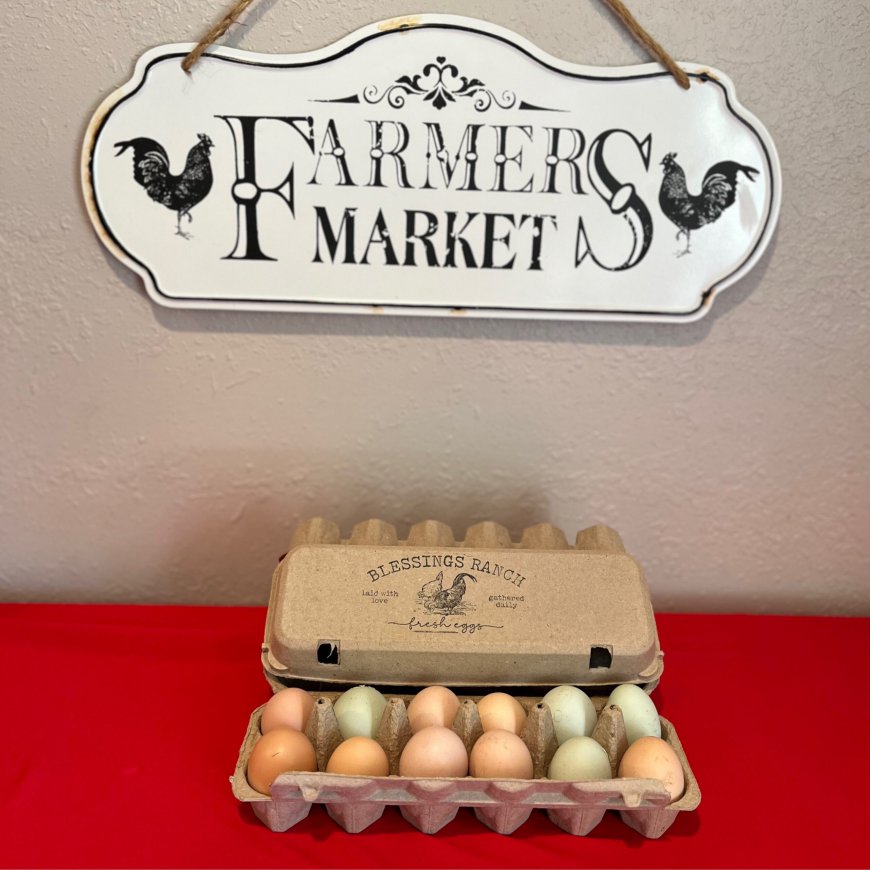
Imagine yourself standing at a bustling, weekend-long market for farmers, with the baskets brimming with vibrant produce as well as a dozen eggs cartons arranged like peaceful soldiers. Certain shells sparkle with pristine white while others have dirt-colored speckles. The prices vary widely. Which eggs are actually able to meet the quality of taste, nutrition and ethical requirements? The distinction between average and top-quality eggs is often hidden within the smallest details that consumers tend to do not notice.
The free range eggs are distinctive in the event of sourcing them with care, however finding the best quality eggs requires more than just a glance at the box. Small farms and markets offer better quality eggs than aisles in supermarkets but even then the eggs aren't always telling all the details.
The Shell: First Impressions Matter More Than You Think
Begin with the exterior. Eggs of high-quality usually come with a neat but not artificially polished shell. Any dust or feathery traces suggest minimal processing and a recent collection. Solid, thick shells can withstand being easily cracked; thinner shells usually indicate hens that are under stress or who have a low intake of calcium through their food.
Have you noticed that some eggs seem heavier in the hands? The density suggests more content within. Color of the shell is influenced by breed: brown white, blue-green hens from Araucana, but the color alone doesn't indicate the quality. Instead, you should run a soft fingertips across the area. Soft, matte surfaces beat those that are too shiny, which could be a result of being washed or kept over a long time. True, yet strange The best eggs usually seem a bit flimsy and appear to have come from a scratching bird instead of the factory line.
Inside the Egg: What the Yolk and White Reveal
Break one open in your home for the actual testing, although careful consumers may let farmers look inside. Bright orange or dark yellow yolks are a sign of nutrient richness of foraging in nature. A pale yellow typically indicates heavy grain food regimens with no variety. Whites should be proud and firmly over the yolk and not spread out like a the watery delight.
A freshness is evident in the chalaza, that little piece of string that connects yolk and shell. Large, firm chalazas suggest the eggs have been laid recently. The structure of eggs that have aged loses The yolk membrane becomes weaker, and breaks easy during cooking. An easy test of float with cold water can be very beneficial fresh eggs sink but rest flat. Eggs that stand up or float are old and enlarged air cell inside.
Temperature can play tricks as well. Eggs kept in the refrigerator in the supermarket versus eggs in the room at an adjacent farm have distinct expectations. Local usually means that they were collected in the morning or day before. Flavor differentiators are apparent in easy dishes like soft-boiled or sunny side up.

Understanding Labels and Farming Practices
Labels are sometimes confusing on purpose. "Cage-free" sounds promising until realizing that it means an overcrowded barn with limited outdoor access. "Pasture-raised" edges closer to perfect, with birds spending large amounts of time outdoors, eating insects and grasses as well as seeds which increase omega-3s as well as vitamins.
If you can, visit the farm. Hens that are healthy scratch vigorously, wash their feet, and exhibit curiosity. In confined or overcrowded flocks, birds create eggs with a lack of nutrition and flavor. Talk to vendors about the size of your flock feeding sources, as well as rotating practices. Lesser-sized operations, like dozens instead of thousands, tend towards better treatment, but the exceptions are everywhere.
The seasonal shifts affect the eggs. The eggs of spring and summer usually are more delicious as hens gorge on the freshest greens and bugs. Even on top farms, could depend more on feed stored and a subtle change in the appearance.
Smell, Storage, and Subtle Red Flags
Good eggs have almost nothing in their shells. The slight sulfur smell indicates the age of eggs or poor handling. In the store, stay clear of containers that sit in direct sun or in warm areas that can accelerate loss of food.
Purchase only the items you will use in the next two weeks to ensure peak quality. Keep them in the refrigerator and with the pointy end in order so that the yolks stay aligned. Don't use the door shelf as fluctuations in temperature on the shelf can shorten the life of eggs.
A common error is to assume that the eggs from local farms are superior to commercial eggs in a way. A few small farms make a lot of cuts also. The consistent quality is due to farmers who rotate their pastures as well as supplement their crops with care and place a premium on bird health, not volumes.
Connecting to Broader Food Choices
Similar principles are applicable to high-quality meats. In the case of meat, many people prefer grass fed beef due to similar motives: better nutritional profiles, the right treatment for animals, and better quality of taste derived from natural diets.
In the end, selecting eggs that are of high quality will help you develop a routine of thoughtful shopping that enhances the quality of your meals. The perfect egg omelette, or custardy scramble is a reward for the additional attention you pay at the supermarket.
When those containers you are looking at take a moment to take your time. Ask, poke, and make inquiries. Your reward is onto the table and then slowly, it helps to support the development of better system.
FAQs
How fresh are farm eggs in comparison to those from the supermarket?
Eggs from farms typically come from collection within a few days. They retain a superior taste and structure than eggs from supermarkets that could be a few weeks in the past.
Can you identify egg quality without breaking the eggs?
Yes, through the strength of the shell, its weight as well as the absence of smell and information about the farm vendor's methods. A float test can confirm the freshness in your the home.
Why do certain yolks appear more orange than others?
The yolks of orange reflect a variety of diets that include insects, greens and carotenoids. The ones that are pale usually originate from feeds that predominantly contain grains, but lack variety.
Are eggs that are brown better over white eggs?
No. Color of shell depends on the breed of the hen, and it has no influence on the nutritional value of a product or flavor.