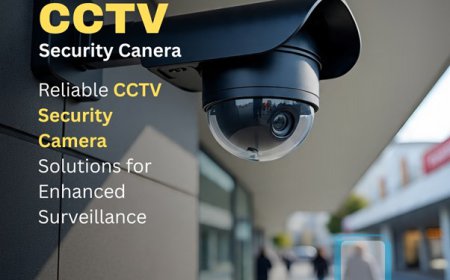
How to Choose the Right Explosion-Proof Camera for Oil, Gas, and Chemical Facilities
 usersx366
Safety is the top priority in oil, gas, and chemical facilities. These environments often contain flammable gases, combustible dust, volatile chemicals, and other hazardous materials that can create a risk of fire or explosion. At the same time, operators need reliable surveillance systems to monitor operations, protect assets, improve security, and ensure regulatory compliance.
This is where an Explosion-Proof Camera becomes essential.
Unlike standard surveillance cameras, explosion-proof cameras are specifically engineered to operate safely in hazardous locations. They are built to contain sparks, heat, or electrical faults that could otherwise ignite flammable substances in the surrounding environment.
However, choosing the right explosion-proof camera can be challenging. With different certifications, housing materials, imaging technologies, and environmental requirements to consider, selecting the wrong system can result in safety risks, compliance issues, and unnecessary costs.
This guide explains everything you need to know to choose the right explosion-proof camera for oil, gas, and chemical facilities.
What Is an Explosion-Proof Camera?
An explosion-proof camera is a specially designed surveillance device housed within a rugged enclosure that prevents internal sparks or explosions from igniting hazardous gases, vapors, or dust outside the unit.
These cameras are commonly used in:
-
Oil refineries
-
Offshore platforms
-
Chemical processing plants
-
Fuel storage terminals
-
LNG facilities
-
Pharmaceutical manufacturing plants
-
Mining operations
-
Industrial warehouses
The camera housing is engineered to withstand internal explosions and prevent flames or hot gases from escaping into the surrounding environment.
Why Explosion-Proof Cameras Are Important
Enhanced Workplace Safety
Hazardous environments require continuous monitoring without introducing additional ignition risks.
Explosion-proof cameras allow operators to inspect and monitor critical processes remotely while maintaining safety standards.
Regulatory Compliance
Many industries must comply with strict safety regulations regarding equipment installed in hazardous locations.
Using certified explosion-proof cameras helps facilities meet industry standards and avoid compliance violations.
Improved Operational Visibility
Remote monitoring enables operators to:
-
Observe equipment performance
-
Monitor production processes
-
Detect abnormal conditions
-
Improve incident response times
This can reduce downtime and improve overall operational efficiency.
Asset Protection
Industrial facilities often contain high-value equipment and critical infrastructure.
An explosion-proof surveillance system helps protect these assets from theft, vandalism, and operational risks.
Understanding Hazardous Area Classifications
Before selecting an explosion-proof camera, it is essential to understand the hazardous area classification of the installation site.
Class I Hazardous Areas
These locations contain flammable gases or vapors.
Examples include:
-
Oil refineries
-
Natural gas facilities
-
Fuel storage areas
Class II Hazardous Areas
These areas contain combustible dust.
Examples include:
-
Grain processing plants
-
Chemical powder handling facilities
-
Manufacturing plants
Class III Hazardous Areas
These locations contain ignitable fibers or flyings.
Examples include:
-
Textile manufacturing
-
Wood processing facilities
The camera must be certified for the specific hazard classification where it will be installed.
Key Certifications to Look For
ATEX Certification
ATEX certification is widely used in Europe and many international markets.
It confirms that equipment is safe for use in explosive atmospheres.
IECEx Certification
IECEx is an internationally recognized certification system for hazardous-area equipment.
Many global oil and gas companies prefer IECEx-certified equipment.
UL and CSA Certifications
In North America, facilities often require:
-
UL certification
-
CSA certification
These standards verify compliance with local safety requirements.
Why Certification Matters
Never assume a camera is suitable simply because it is labeled "explosion-proof."
Always verify that it carries appropriate certifications for your facility's hazardous zone classification.
Determine the Environmental Conditions
Industrial facilities can expose surveillance equipment to harsh conditions.
Understanding the operating environment is crucial.
Temperature Extremes
Some facilities experience extreme heat or freezing temperatures.
Verify the camera's operating temperature range to ensure reliable performance.
Corrosion Exposure
Chemical plants and offshore oil platforms often expose equipment to corrosive substances.
Look for housings made from:
-
Stainless steel 316L
-
Marine-grade stainless steel
-
Corrosion-resistant alloys
Moisture and Water Exposure
Outdoor installations require protection from rain, humidity, and washdowns.
Choose cameras with high ingress protection ratings such as:
-
IP66
-
IP67
-
IP68
These ratings indicate resistance to dust and water intrusion.
Choose the Right Camera Resolution
Image quality directly impacts surveillance effectiveness.
HD and Full HD Cameras
Suitable for:
-
General monitoring
-
Process observation
-
Security surveillance
4K Explosion-Proof Cameras
Higher-resolution cameras provide:
-
Greater image detail
-
Better forensic evidence
-
Improved digital zoom capabilities
These systems are ideal for large facilities where operators need to identify equipment conditions or personnel activity from a distance.
Balancing Resolution and Storage
Higher-resolution video requires more storage and network bandwidth.
Evaluate your monitoring requirements before selecting the highest available resolution.
Consider Fixed vs PTZ Cameras
Fixed Explosion-Proof Cameras
Fixed cameras continuously monitor a designated area.
Advantages include:
-
Lower cost
-
Simple installation
-
Reliable operation
They are ideal for monitoring entrances, equipment zones, and process areas.
PTZ Explosion-Proof Cameras
PTZ stands for Pan-Tilt-Zoom.
These cameras allow operators to:
-
Rotate horizontally
-
Tilt vertically
-
Zoom into specific areas
PTZ systems provide greater flexibility and coverage, particularly in large facilities.
Evaluate Low-Light and Night Vision Performance
Many industrial sites operate around the clock.
Reliable monitoring during nighttime or low-light conditions is essential.
Infrared Night Vision
Infrared-enabled cameras provide visibility in complete darkness.
They are particularly useful for:
-
Perimeter security
-
Remote facilities
-
Storage yards
Thermal Imaging Cameras
Thermal cameras detect heat signatures rather than visible light.
Benefits include:
-
Detecting overheating equipment
-
Identifying gas leaks indirectly
-
Monitoring assets in darkness, fog, or smoke
Thermal imaging is increasingly used in high-risk industrial environments.
Network and Connectivity Considerations
IP-Based Surveillance Systems
Modern explosion-proof cameras typically use IP technology.
Benefits include:
-
Remote access
-
High-resolution streaming
-
Centralized management
-
Scalability
Integration with Existing Systems
Ensure the camera integrates with:
-
Video management systems (VMS)
-
SCADA systems
-
Security platforms
-
Alarm systems
Seamless integration improves monitoring efficiency and operational awareness.
Assess Maintenance Requirements
Maintenance access can be difficult in hazardous environments.
Choose cameras that offer:
-
Long service life
-
Durable construction
-
Easy maintenance procedures
-
Remote diagnostics capabilities
Reducing maintenance frequency can lower operational costs and minimize disruptions.
Common Mistakes to Avoid
Ignoring Hazardous Zone Requirements
Always verify that the camera certification matches the site's classification.
Using improperly certified equipment creates significant safety risks.
Focusing Only on Price
Cheaper equipment may lack critical certifications, durability, or performance features.
Consider total lifecycle cost rather than initial purchase price.
Overlooking Environmental Factors
Environmental conditions such as corrosion, temperature, dust, and moisture can significantly impact camera lifespan.
Choosing Excessive Features
Not every installation requires advanced PTZ or thermal imaging capabilities.
Select features based on actual operational needs.
Practical Tips for Selecting an Explosion-Proof Camera
Conduct a Hazard Assessment
Review site classifications and environmental conditions before evaluating products.
Define Monitoring Objectives
Determine whether the camera will be used for:
-
Security surveillance
-
Process monitoring
-
Safety inspections
-
Asset protection
Work with Industry Specialists
Experienced suppliers understand certification requirements and can recommend suitable solutions.
Plan for Future Expansion
Choose systems that can accommodate future facility growth and additional monitoring requirements.
Conclusion
Selecting the right Explosion-Proof Camera is a critical decision for oil, gas, and chemical facilities. The ideal camera must do more than provide clear video footage—it must operate safely in hazardous environments, comply with industry regulations, withstand harsh conditions, and support operational efficiency.
By evaluating hazardous area classifications, certifications, environmental conditions, imaging requirements, and integration capabilities, facility managers can make informed decisions that enhance both safety and performance.
Investing in a properly certified explosion-proof camera system helps protect employees, equipment, and operations while ensuring compliance with strict industrial safety standards. In high-risk environments where safety cannot be compromised, choosing the right surveillance solution is an investment that delivers long-term value and peace of mind.
FAQs
1. What is an explosion-proof camera used for?
An explosion-proof camera is used to safely monitor hazardous environments where flammable gases, vapors, dust, or chemicals may be present.
2. Are explosion-proof cameras required in oil and gas facilities?
Many hazardous areas within oil and gas facilities require certified equipment, including cameras, to comply with safety regulations and reduce ignition risks.
3. What certifications should an explosion-proof camera have?
Common certifications include ATEX, IECEx, UL, and CSA, depending on the installation location and regulatory requirements.
4. Can explosion-proof cameras be used outdoors?
Yes. Many models are designed for outdoor use and feature weather-resistant and corrosion-resistant housings.
5. What is the difference between an explosion-proof camera and a regular security camera?
An explosion-proof camera is specifically engineered and certified to operate safely in hazardous environments, while a standard camera is not suitable for such locations.