How to Prevent Toenail Fungus From Coming Back: A Daily Foot Care Routine

How to Prevent Toenail Fungus From Coming Back: A Daily Foot Care Routine

Getting rid of toenail fungus is only half the battle. Whether you've completed a course of treatment or you're simply trying to avoid an infection in the first place, prevention comes down to consistent daily habits. Fungal organisms are persistent, and the warm, damp environment inside shoes makes feet an easy target if you're not careful. The good news is that a few simple changes to your daily routine can significantly lower your risk of dealing with toenail fungus again.

Why Toenail Fungus Comes Back So Easily

Fungal spores are everywhere, especially in places like gyms, locker rooms, swimming pools, and public showers. They can survive on surfaces for extended periods and easily transfer to bare feet. Once a nail has been infected, it can also remain slightly more vulnerable to reinfection, particularly if the underlying nail structure was damaged. That's why ongoing prevention matters just as much as treatment itself.

Building a Daily Foot Care Routine

1. Wash and Dry Your Feet Thoroughly

It sounds simple, but moisture is the number one factor that allows fungus to thrive. Wash your feet daily and make sure to dry them completely, especially between the toes, where dampness tends to linger. A few extra seconds with a towel can make a real difference.

2. Change Socks Every Day

Wearing the same socks for extended periods traps moisture and sweat against your skin. Opt for moisture-wicking or breathable socks, and change them daily, or more often if your feet sweat heavily during exercise or warm weather.

3. Rotate Your Shoes

Wearing the same pair of shoes every day doesn't give them enough time to fully dry out between uses. Rotating between two or more pairs allows each pair to air out properly, reducing the moist environment fungus needs to grow.

4. Disinfect Your Footwear Regularly

Shoes can harbor fungal spores long after symptoms have cleared. Using an antifungal spray or powder inside your shoes periodically can help reduce the risk of reinfection, especially if you previously dealt with an active infection.

5. Wear Protective Footwear in Public Areas

Locker rooms, public showers, pool decks, and gym floors are common places where fungal spores spread from person to person. Wearing sandals or shower shoes in these environments adds a simple layer of protection.

6. Keep Nails Trimmed and Clean

Long or jagged nails can create small openings where fungus can take hold. Trim nails straight across, keep them at a reasonable length, and avoid sharing nail clippers or pedicure tools with others.

7. Choose Breathable Footwear When Possible

Shoes made from materials that trap heat and moisture create an ideal environment for fungal growth. When possible, choose footwear made from breathable materials, and avoid wearing tight, closed shoes for extended periods, especially in warm weather.

8. Apply a Preventive Antifungal Powder or Spray

For those with a history of toenail fungus or who frequently use public facilities, an over-the-counter antifungal foot powder or spray can offer an additional layer of daily protection, particularly for people who are more prone to recurring infections.

9. Be Mindful at Nail Salons

If you get regular pedicures, make sure your salon properly sterilizes its tools between clients. Unsterilized equipment is a common way fungal infections spread. Don't hesitate to ask about their sanitation practices, or consider bringing your own tools.

10. Monitor for Early Signs

Even with good prevention habits, it's worth checking your nails periodically for early warning signs, such as slight discoloration, a faint yellow tint, or subtle changes in texture. Catching a potential reinfection early makes it far easier to address before it progresses.

Special Considerations for Higher-Risk Individuals

People with diabetes, poor circulation, or weakened immune systems are more susceptible to fungal infections and should be especially diligent with daily foot care. If you fall into one of these categories, regular foot checks and prompt attention to any changes are particularly important, since complications can develop more easily.

When Prevention Isn't Enough

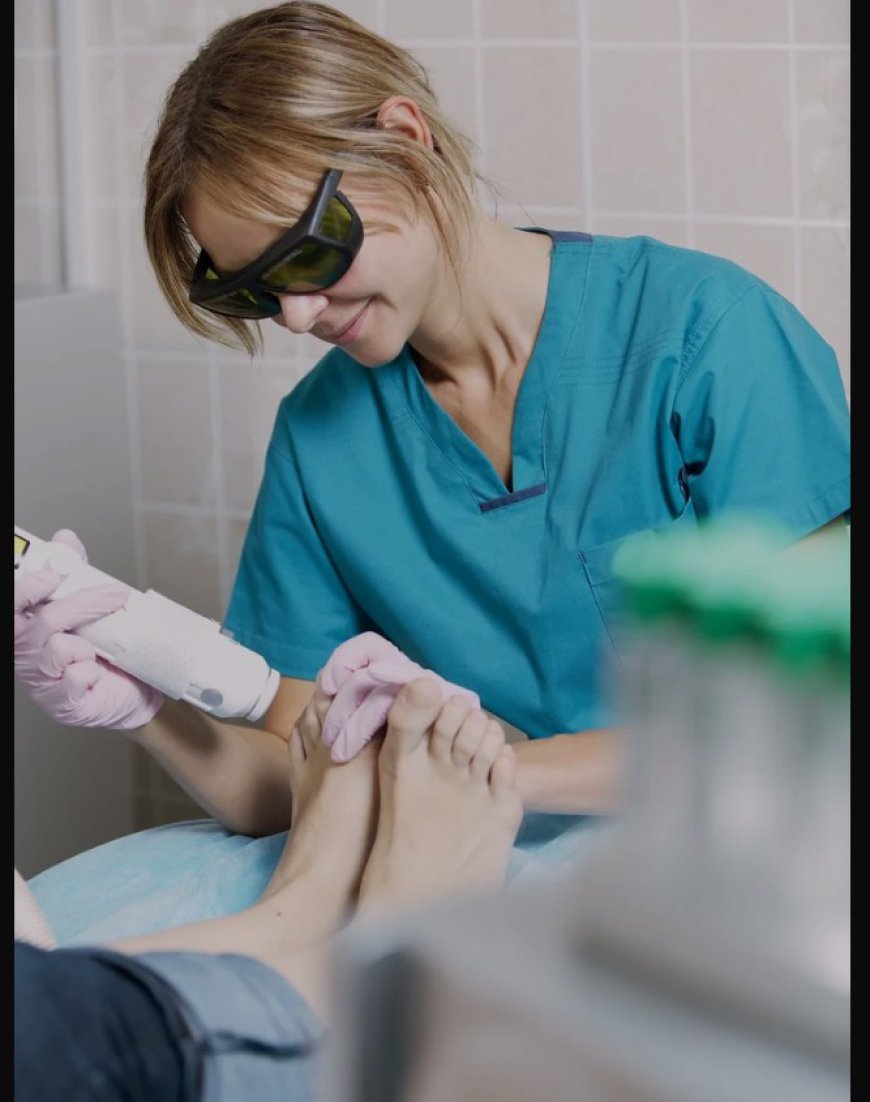
Despite consistent care, some people experience recurring infections due to factors like genetics, footwear habits, or underlying health conditions. If you notice symptoms returning, such as thickening, discoloration, or crumbling nails, it's worth revisiting treatment options sooner rather than later. For a detailed breakdown of how modern treatment works, what to expect during a session, and realistic timelines for results, our laser toenail fungus removal guide covers everything you need to know before considering this approach.

The Bottom Line

Preventing toenail fungus from returning is mostly about consistency. Keeping feet clean and dry, rotating footwear, protecting your feet in public spaces, and paying attention to early changes can go a long way in reducing your risk. These small daily habits, while easy to overlook, are often the difference between staying fungus-free and dealing with another frustrating infection down the road.