How to Select the Right Power Switching Device for Motors
 sharmabhavna1322
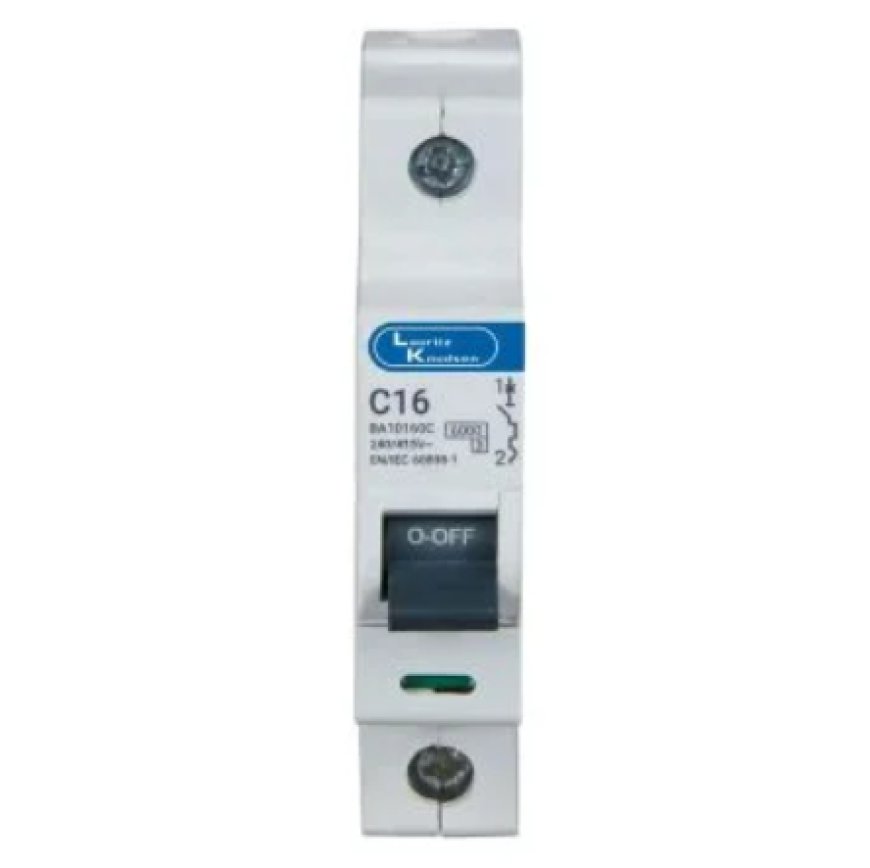
Selecting the right power switching device for motors is crucial for ensuring operational efficiency, safety, and long-term equipment reliability. Motors are widely used across industrial, commercial, and infrastructure applications, making it essential to choose components that can handle electrical loads effectively while protecting both personnel and machinery. Factors such as motor capacity, operating environment, switching frequency, and maintenance requirements play a significant role in device selection. Understanding the functions and differences between various switching solutions helps businesses optimize performance, minimize downtime, and maintain a safe electrical system.
Understanding Motor Power Switching Devices
Motor-driven systems require specialized switching devices to control power flow and safeguard equipment. These devices are designed to handle high inrush currents, frequent switching operations, and varying load conditions. Choosing the appropriate switching solution not only enhances motor performance but also reduces the risk of electrical faults.
Two commonly used devices in motor control systems are the electrical contactor and the isolator. While both play important roles in power management, they serve different purposes and should be selected based on specific operational requirements.
Assessing Motor Specifications
Before selecting a switching device, it is important to evaluate the motor's technical specifications.
Motor Power Rating
The power rating determines the amount of current the switching device must handle. Devices should always be rated appropriately to accommodate starting currents and continuous operating loads.
Voltage Requirements
Different motors operate at varying voltage levels. Ensuring compatibility between the motor and switching device is essential for reliable operation.
Starting Characteristics
Motors often draw significantly higher current during startup. The selected switching equipment must be capable of handling these temporary surges without overheating or experiencing premature wear.
Duty Cycle
Motors that start and stop frequently require switching devices designed for repetitive operations. The expected switching frequency directly impacts device selection.
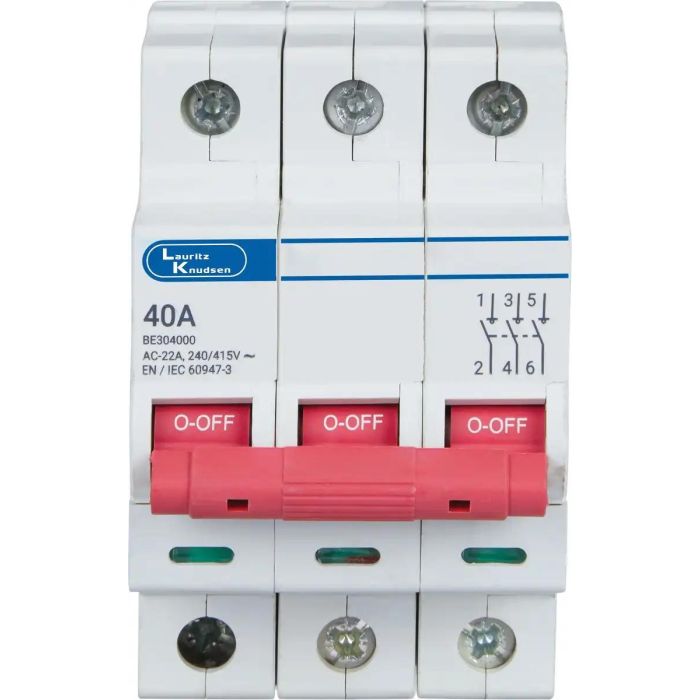
The Role of an Electrical Contactor in Motor Control
An electrical contactor is specifically designed to switch motors and other high-power electrical loads. It enables remote operation and automation while ensuring reliable switching performance.
Key Benefits
-
Supports frequent switching operations.
-
Allows remote and automatic control.
-
Handles high starting currents efficiently.
-
Enhances operational safety through controlled switching.
Because motors often operate in automated environments, an electrical contactor is commonly integrated into motor control circuits. It works alongside protective devices to provide dependable motor operation and system coordination.
When to Use an Electrical Contactor
Applications involving regular motor starts and stops, automated production systems, conveyor operations, pumping stations, and HVAC systems often benefit from using an electrical contactor. Its ability to withstand repeated switching cycles makes it ideal for demanding environments.
Understanding the Function of an Isolator
An isolator serves a different purpose from motor control devices. It is primarily used to disconnect electrical equipment from the power supply for maintenance, inspection, or safety procedures.
Unlike motor switching devices, an isolator is not intended to interrupt load current during normal operation. Instead, it provides a visible and secure disconnection point that ensures maintenance personnel can work safely on equipment.
Key Advantages
-
Provides complete circuit isolation.
-
Enhances worker safety during maintenance.
-
Helps prevent accidental energization.
-
Supports compliance with safety practices.
Common Installation Areas
An isolator is typically installed near motors, control panels, and distribution systems to provide a convenient and safe means of disconnecting power when required.
Environmental Considerations
The operating environment significantly influences the selection of motor switching devices.
Dust and Moisture
Facilities exposed to dust, humidity, or water require devices with suitable enclosure protection. Properly protected equipment helps prevent corrosion and electrical failures.
Temperature Conditions
Extreme temperatures can affect switching performance and component lifespan. Devices should be selected according to the environmental conditions in which they will operate.
Vibration and Mechanical Stress
Industrial facilities often expose equipment to vibration and shock. Selecting robust and durable switching devices ensures long-term reliability.
Evaluating Safety Requirements
Safety should always remain a top priority when selecting motor switching solutions.
Protection Against Electrical Faults
Motor control systems should include protection against overloads, short circuits, and phase failures. Coordinating switching devices with protective equipment helps reduce damage and operational interruptions.
Safe Maintenance Procedures
Maintenance activities require secure isolation of power sources. Combining motor control devices with an appropriately rated isolator creates a safer working environment and minimizes the risk of accidental contact with energized equipment.
Compliance and Standards
Selecting equipment that meets relevant industry standards helps ensure reliable operation, regulatory compliance, and enhanced workplace safety.

Considering Automation and Control Needs
Modern facilities increasingly rely on automation to improve productivity and efficiency.
Remote Operation
Many motor applications require centralized control and monitoring. Switching devices that support remote operation allow operators to manage systems efficiently from control rooms or automated platforms.
Integration with Control Systems
Motor switching solutions should be compatible with automation systems, programmable controllers, and monitoring platforms. Proper integration supports smoother operations and improved diagnostics.
Future Expansion
Organizations should consider future growth when selecting motor control equipment. Choosing scalable solutions can reduce upgrade costs and simplify system expansion.
Maintenance and Reliability Factors
Reliable operation depends on selecting devices that are easy to inspect, maintain, and replace.
Service Life
Switching devices experience wear due to electrical and mechanical operations. Evaluating expected service life helps ensure long-term performance and cost-effectiveness.
Ease of Maintenance
Accessible installation and straightforward maintenance procedures reduce downtime and improve operational efficiency.
Availability of Support
Selecting equipment supported by comprehensive technical resources and service solutions can simplify troubleshooting and maintenance activities.
Cost Versus Long-Term Value
While initial purchase cost is an important consideration, decision-makers should also evaluate long-term operational value.
Factors such as reliability, energy efficiency, maintenance requirements, and equipment lifespan often have a greater impact on total ownership costs than the initial investment alone. A well-selected motor switching solution can reduce downtime, improve productivity, and contribute to overall system efficiency.
Conclusion
Choosing the right power switching device for motors requires a thorough understanding of motor characteristics, operating conditions, safety requirements, and automation needs. Devices designed for motor control and those intended for circuit isolation serve distinct yet complementary functions within electrical systems. By carefully evaluating performance demands, environmental factors, maintenance expectations, and future scalability, organizations can make informed decisions that enhance reliability and safety. With its extensive expertise and comprehensive electrical solutions portfolio, Lauritz Knudsen Smartshop continues to support industries in implementing dependable and efficient motor control systems.