How to Source High-Quality Natural Diamonds
Find out how wholesalers, retailers, and jewelry manufacturers can source certified natural diamonds from trusted global suppliers.
 gracewilson01
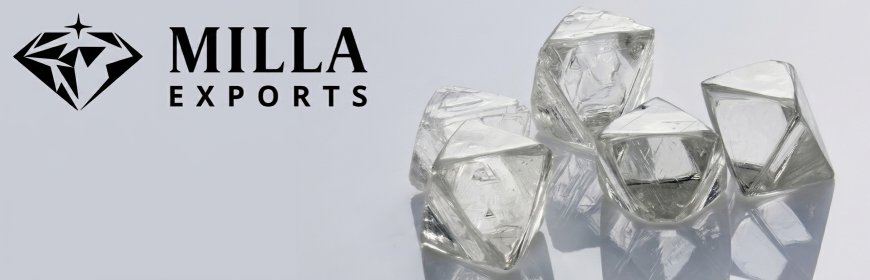
Natural diamonds remain one of the most sought-after gemstones in the global jewelry industry. Whether you are a wholesaler, retailer, jewelry manufacturer, or international buyer, sourcing high-quality natural diamonds requires careful evaluation of quality, certification, supplier credibility, and ethical sourcing practices.
Understanding how to identify and source premium natural diamonds can help businesses reduce risk, maintain customer trust, and secure long-term profitability.
What Are Natural Diamonds?
Natural diamonds are gemstones formed deep within the Earth's mantle over billions of years through intense heat and pressure. Unlike laboratory-created diamonds, natural diamonds are mined from the earth and are valued for their rarity, durability, and unique geological origin.
Today, natural diamonds are widely used in engagement rings, luxury jewelry, investment portfolios, and high-end fashion accessories.
Why Quality Matters When Sourcing Natural Diamonds
The quality of a natural diamond directly affects its value, appearance, and market demand. Buyers should focus on diamonds that meet recognized industry standards and possess reliable certification.
High-quality natural diamonds typically offer:
- Excellent brilliance and fire
- Strong market demand
- Long-term value retention
- Greater customer confidence
- Enhanced jewelry appeal
For businesses, sourcing quality diamonds can strengthen brand reputation and improve customer satisfaction.
Evaluate Diamonds Using the 4Cs
The globally recognized standard for diamond quality evaluation is the 4Cs:
Cut
Cut determines how effectively a diamond reflects light. A well-cut diamond displays exceptional brilliance and sparkle.
Color
Color grades measure the absence of color in white diamonds. Diamonds with less color are generally considered more valuable.
Clarity
Clarity evaluates internal inclusions and external blemishes. Higher clarity grades often result in greater value.
Carat Weight
Carat measures the weight of the diamond. Larger diamonds are typically rarer and command higher prices.
Understanding these characteristics helps buyers make informed sourcing decisions.
Always Choose Certified Natural Diamonds
Certification is one of the most important factors when purchasing natural diamonds.
A professional grading report provides independent verification of:
- Cut grade
- Color grade
- Clarity grade
- Carat weight
- Diamond authenticity
Certified diamonds improve transparency and help buyers compare products accurately.
When sourcing diamonds internationally, certification can reduce disputes and increase buyer confidence.
Work With Trusted Diamond Suppliers
Selecting a reliable supplier is essential for maintaining quality consistency and supply chain stability.
A trusted diamond supplier should provide:
- Certified diamonds
- Transparent pricing
- Consistent inventory
- Ethical sourcing practices
- Responsive customer support
- Export and logistics expertise
Long-term relationships with reputable suppliers often lead to better pricing, improved availability, and dependable service.
Consider Ethical and Responsible Sourcing
Modern consumers increasingly value responsible sourcing practices.
Businesses should work with suppliers committed to:
- Ethical procurement
- Responsible supply chains
- Industry compliance
- Transparency throughout the sourcing process
Ethical sourcing not only protects brand reputation but also aligns with evolving consumer expectations.
Understanding Loose Diamonds
Loose diamonds are individual diamonds that have not yet been mounted into jewelry settings.
Many jewelers and manufacturers prefer loose diamonds because they provide:
- Greater design flexibility
- Easier quality inspection
- Custom jewelry creation opportunities
- Wider selection options
When sourcing loose diamonds, buyers should verify certification, quality specifications, and supplier reliability before making purchasing decisions.
Natural Diamonds vs CVD Diamonds
The diamond market now includes both natural diamonds and CVD diamonds.
Natural diamonds are formed naturally over billions of years beneath the Earth's surface.
CVD diamonds are laboratory-grown diamonds produced using Chemical Vapor Deposition technology. They possess similar physical and optical characteristics but differ in origin.
Businesses should understand customer preferences before selecting inventory. Some buyers prioritize rarity and natural origin, while others prefer laboratory-grown alternatives.
Key Questions to Ask a Diamond Supplier
Before placing an order, buyers should ask:
- Are the diamonds certified?
- What grading standards are used?
- Can you provide origin and sourcing information?
- What inventory sizes are available?
- What export markets do you serve?
- What are your payment and shipping terms?
- Do you offer consistent supply for long-term partnerships?
These questions help establish trust and reduce sourcing risks.
Common Mistakes to Avoid
Many buyers make avoidable sourcing mistakes, including:
- Purchasing uncertified diamonds
- Choosing suppliers based solely on price
- Ignoring quality consistency
- Overlooking ethical sourcing standards
- Failing to verify grading reports
A careful sourcing process helps prevent these issues.
Conclusion
Sourcing high-quality natural diamonds requires more than finding competitive prices. Successful buyers evaluate certification, diamond quality, supplier reputation, ethical sourcing practices, and long-term supply capabilities.
Whether sourcing natural diamonds, loose diamonds, or CVD diamonds, working with a trusted supplier can improve product quality, strengthen customer confidence, and support sustainable business growth. By focusing on transparency, certification, and quality standards, businesses can build successful partnerships and meet the evolving demands of the global diamond market.
1. How can I verify the quality of a natural diamond?
The quality of a natural diamond can be verified by reviewing its certification and evaluating the 4Cs: cut, color, clarity, and carat weight. Purchasing certified diamonds from reputable suppliers helps ensure authenticity and quality.
2. What is the difference between natural diamonds and CVD diamonds?
Natural diamonds are formed naturally within the Earth over billions of years, while CVD diamonds are laboratory-grown using advanced technology. Both have similar physical and optical properties, but they differ in origin, rarity, and market perception.
3. Why should I buy certified loose diamonds?
Certified loose diamonds provide independent verification of quality and authenticity. They also offer greater flexibility for custom jewelry manufacturing and allow buyers to inspect the diamond before it is set into jewelry.
4. What should I look for in a diamond supplier?
A reliable diamond supplier should offer certified diamonds, transparent pricing, ethical sourcing practices, consistent inventory availability, and strong customer support. Experience in international diamond trading and exports is also important.
5. Are natural diamonds a good long-term investment?
Natural diamonds are valued for their rarity, durability, and global demand. While market conditions can vary, high-quality certified natural diamonds are often considered a valuable asset and a preferred choice for luxury jewelry and long-term ownership.