How to Support a Loved One Through Rehab in Delhi
Understanding how to provide the right kind of support during rehabilitation can significantly improve recovery outcomes.
 RichaMehta01
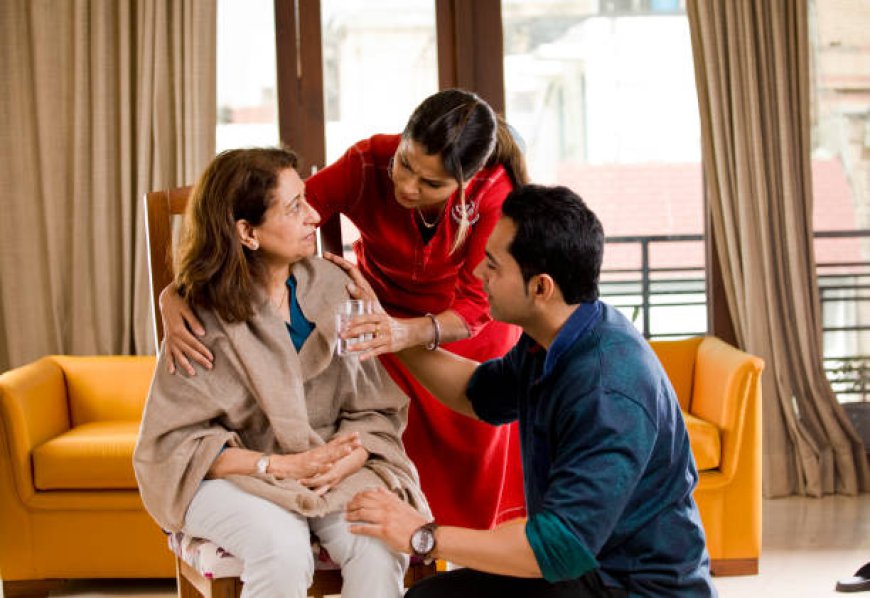
How to Support a Loved One Through Rehab in Delhi
Watching someone you care about struggle with addiction can be emotionally overwhelming. When they finally agree to seek professional help at a drug rehabilitation centre in delhi, it is a major and courageous step toward recovery. However, the journey does not belong to them alone. Family support plays a powerful role in long term healing and relapse prevention.
Understand That Addiction Is a Medical Condition
The first step in supporting your loved one is shifting perspective. Addiction is not a moral failure or lack of willpower. It is a medical and psychological condition that alters brain chemistry and behavior.
Approach the situation with empathy rather than judgment. Recovery requires patience, encouragement, and professional treatment.
Educate Yourself About the Rehab Process
Professional treatment typically includes
-
Medical assessment and detox
-
Individual therapy
-
Group counselling
-
Behavioral therapy
-
Relapse prevention planning
-
Aftercare support
Learning how a structured rehabilitation centre in delhi operates will help you understand what your loved one is experiencing and how to respond appropriately.
Maintain Healthy Communication
Communication during rehab should be supportive and constructive.
Do
-
Express encouragement
-
Listen without interrupting
-
Reinforce positive progress
-
Acknowledge their effort
Avoid
-
Bringing up past mistakes repeatedly
-
Blaming or shaming
-
Making unrealistic demands
-
Pressuring them for immediate change
Recovery is a gradual process that requires emotional safety.
Participate in Family Counselling
Most professional rehabilitation programs encourage family therapy sessions. These sessions help
-
Improve communication patterns
-
Address unresolved conflicts
-
Establish healthy boundaries
-
Educate families about addiction triggers
Family counselling strengthens the recovery environment both during and after treatment.
Set Clear and Healthy Boundaries
Supporting someone does not mean enabling harmful behaviors. Establish boundaries that protect both you and your loved one.
Examples include
-
Refusing to provide money for substances
-
Avoiding covering up consequences of addiction
-
Encouraging accountability
Healthy boundaries promote responsibility and long term stability.
Prepare for Emotional Ups and Downs
Rehabilitation involves physical withdrawal, emotional vulnerability, and psychological adjustment. Mood swings, frustration, or temporary setbacks may occur.
Remain patient and consistent. Recovery rarely follows a perfectly straight path.
Support After Discharge
The transition from residential treatment back to daily life can be challenging. Continued support is essential.
Aftercare support may include
-
Follow up counselling
-
Support group participation
-
Structured daily routines
-
Stress management practices
Encourage your loved one to follow the relapse prevention plan provided by the treatment centre.
Take Care of Your Own Wellbeing
Supporting someone in rehab can be emotionally draining. Consider
-
Joining family support groups
-
Seeking counselling for yourself
-
Maintaining healthy routines
-
Setting emotional limits
A stable and emotionally balanced family member can provide stronger support.
Frequently Asked Questions
How long does rehabilitation usually last
Programs typically range from 30 to 90 days depending on individual needs and severity of addiction.
Should family members stay in constant contact during rehab
Follow the centre’s communication guidelines. Balanced and structured contact is usually recommended.
What if my loved one wants to leave treatment early
Discuss concerns calmly and involve the treatment professionals. Early discharge may increase relapse risk.
Can relapse happen after rehab
Relapse can occur, but ongoing support and aftercare significantly reduce the likelihood.
Final Thoughts
Supporting a loved one through rehab requires patience, understanding, and commitment. A professional drug rehabilitation centre in delhi provides medical supervision, structured therapy, and relapse prevention planning, but family involvement strengthens long term success.
Your encouragement, healthy boundaries, and consistent support can make a meaningful difference in your loved one’s recovery journey. With professional guidance and a supportive environment, sustainable healing is possible.