Hybrid Electric Vehicles Market Competitive Landscape 2025 to 2031: Leading Players, Strategies and Market Share Dynamics
Hybrid Electric Vehicles Market Size and Forecasts (2021 - 2031), Global and Regional Share, Trends, and Growth Opportunity Analysis Report Coverage: By Power Source (Stored Electricity, On Board Electric Generator); Powertrain (Series Hybrid, Parallel Hybrid, Combined Hybrid); Vehicle (Passenger Cars, Commercial Vehicles, Two Wheelers, Others) , and Geography (North America, Europe, Asia Pacific, and South and Central America)
 industry
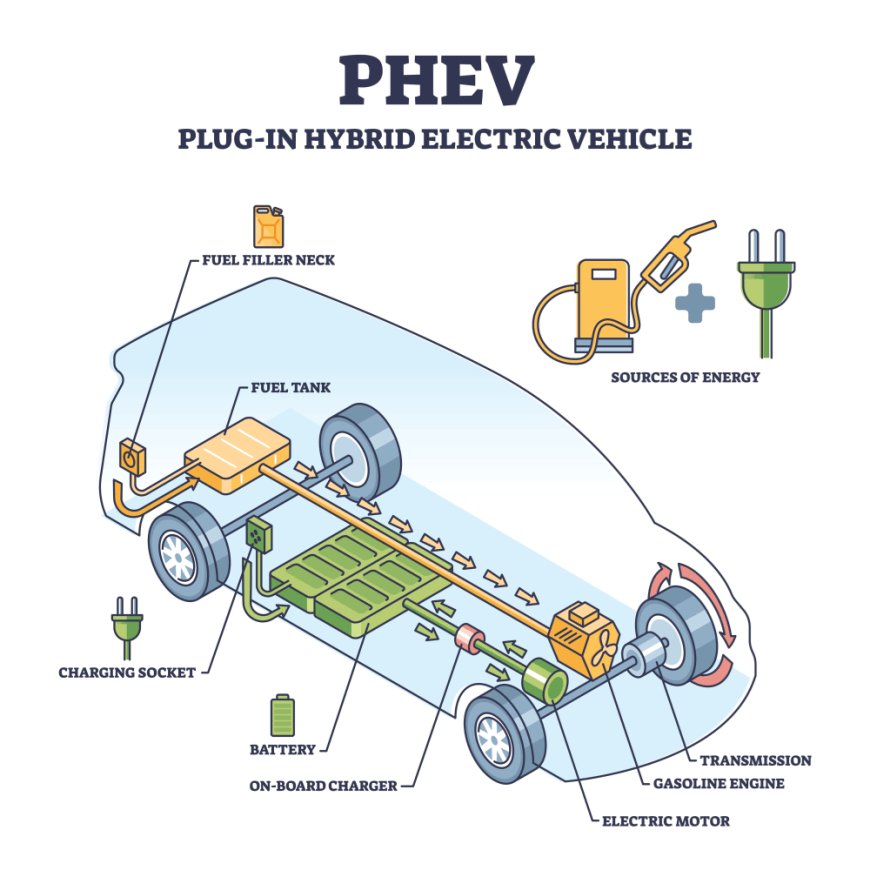
The Hybrid Electric Vehicles Market Share analysis from The Insight Partners provides a comprehensive assessment of competitive dynamics shaping the global HEV industry from 2025 to 2031. The market is projected to grow at a positive CAGR as per the full report, and competition among established global automotive OEMs with deep hybrid technology investments is intensifying as all major manufacturers expand their hybrid model portfolios and compete for growing consumer and fleet demand across all vehicle segments and global markets.
Key Market Players and Competitive Positioning
- Toyota Motor Corporation: The undisputed global pioneer and market leader in hybrid electric vehicle technology, with over 25 years of hybrid production experience and the most comprehensive hybrid model portfolio of any automotive manufacturer. Toyota's hybrid synergy drive technology powers hybrid variants across its Toyota and Lexus brands, covering passenger cars, SUVs, crossovers, and commercial vehicles. Toyota's established technology leadership, manufacturing scale, and consumer trust in hybrid reliability are formidable competitive advantages that have been built over decades of market presence.
Request Sample Pages of this Research Study @ https://www.theinsightpartners.com/sample/TIPRE00021720
- Honda Motor Co., Ltd.: A Japanese hybrid technology pioneer with its intelligent multi-mode drive and integrated motor assist hybrid systems deployed across a broad range of passenger car and SUV models. Honda's hybrid systems are known for their efficiency, smoothness, and competitive pricing, making them accessible across mainstream market segments.
- Bayerische Motoren Werke AG: BMW pursues a comprehensive plug-in hybrid strategy across its premium passenger car and SUV lineup under the BMW iPerformance designation. BMW's PHEV models combine performance-oriented driving dynamics with electric driving capability, targeting the premium consumer segment where sustainability and driving pleasure are equally valued.
- Daimler AG: Through its Mercedes-Benz brand, Daimler has deployed an extensive EQ Power plug-in hybrid lineup across passenger cars, SUVs, and vans. Mercedes-Benz's PHEV strategy targets the luxury and premium segments with high electric range specifications and seamless integration with the broader Mercedes digital ecosystem.
- Ford Motor Company: Ford has aggressively expanded its hybrid portfolio under the Ford Hybrid and Ford Plug-In Hybrid designations, with hybrid variants of its best-selling F-150 pickup truck, Escape, Explorer, and other key models targeting mainstream North American and global consumers.
- General Motors: GM is deploying mild hybrid and plug-in hybrid technology across selected Chevrolet, GMC, Buick, and Cadillac models, targeting both fuel economy-conscious mainstream consumers and premium buyers in North America and China.
- Volkswagen AG: VW has deployed a comprehensive GTE plug-in hybrid lineup across Golf, Passat, Tiguan, and other models, targeting European consumers seeking compliance with urban low-emission zone regulations while maintaining the practicality of conventional range.
- Groupe Renault: Renault offers hybrid and plug-in hybrid variants across its passenger car range targeting European consumers with competitive pricing and strong government incentive eligibility. Renault's E-Tech hybrid technology is deployed across multiple model lines.
- Nissan Motor Corporation Ltd.: Nissan combines its e-Power series hybrid technology with conventional hybrid offerings, targeting Asia-Pacific and global consumers with efficient hybrid alternatives across its passenger car and SUV lineup.
- Mitsubishi Motors Corporation: Mitsubishi's Outlander PHEV has been a globally recognized plug-in hybrid SUV pioneer, with a strong following in Japan, Europe, and Australia. The company continues to develop its PHEV portfolio targeting the SUV segment.
Competitive Landscape
- Bayerische Motoren Werke AG
- Daimler AG
- Ford Motor Company
- General Motors
- Groupe Renault
- Honda Motor Co., Ltd.
- Mitsubishi Motors Corporation
- Nissan Motor Corporation Ltd.
- Toyota Motor Corporation
- Volkswagen AG
Conclusion
The hybrid electric vehicle competitive landscape through 2031 is defined by established OEM technology leadership, aggressive portfolio expansion, and geographic market development. The full competitive landscape report from The Insight Partners provides detailed company profiles and market share analysis.
About The Insight Partners
The Insight Partners is a one-stop industry research provider of actionable solutions. We help our clients in getting solutions to their research requirements through our syndicated and consulting research services. We specialize in industries such as Semiconductor and Electronics, Aerospace and Defense, Automotive and Transportation, Biotechnology, Healthcare IT, Manufacturing and Construction, Medical Devices, Technology, Media and Telecommunications, Chemicals and Materials.
Contact Us
The Insight Partners
Phone: +1-646-491-9876
E-mail: sales@theinsightpartners.com
Also Available In: Korean | German | Japanese | French | Chinese | Italian | Spanish