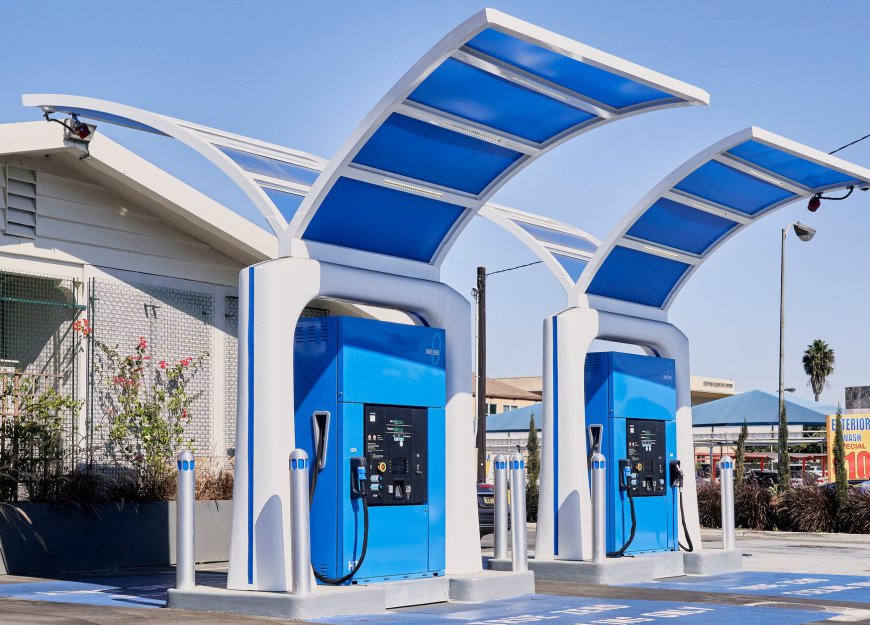
Hydrogen Fueling Station Market Size, Trends, and Future Outlook 2026-2033
The hydrogen fueling station market is estimated to be valued at USD 499.9 Mn in 2025 and is expected to reach USD 1500.3 Mn by 2032, growing at a compound annual growth rate (CAGR) of 17.00% from 2025 to 2032.
 coherentmarket
The hydrogen fueling station market is rapidly evolving as a critical infrastructure supporting the transition towards cleaner energy and zero-emission transport. Industry growth is driven by increasing governmental initiatives and private investments aimed at decarbonizing transportation, with substantial focus on supporting fuel cell electric vehicles (FCEVs) globally.
Market Size and Overview
The hydrogen fueling station market is estimated to be valued at USD 499.9 Mn in 2025 and is expected to reach USD 1500.3 Mn by 2032, growing at a compound annual growth rate (CAGR) of 17.00% from 2025 to 2032.
This robust Hydrogen Fueling Station Market Growth is propelled by expanding hydrogen vehicle adoption, technological advancements, and supportive policies worldwide. Market revenue reflects growing demand for scalable, reliable hydrogen refueling infrastructure as regional governments commit to stringent emission reduction targets.
Market Segments
The hydrogen fueling station market segments can be categorized broadly into by Infrastructure Type, by Capacity, and by Application:
- Infrastructure Type: Includes on-site and off-site hydrogen production fueling stations. The on-site category is currently dominant due to lower transportation costs and higher safety controls, but off-site stations are the fastest-growing sub-segment due to centralized large-scale hydrogen generation facilities launched in 2024.
- Capacity: Divided into low-capacity (below 100 kg/day), medium-capacity (100-500 kg/day), and high-capacity (above 500 kg/day) stations. High-capacity stations are leading revenue, reflecting urban hubs and fleet fueling needs, whereas medium-capacity stations show high growth potential driven by new retail hydrogen stations inaugurated in Asia-Pacific during 2025.
- Application: Split into passenger vehicles, commercial vehicles, and public transport. Passenger vehicle fueling stations constitute the dominant segment, but commercial vehicle applications are the fastest-growing owing to increasing hydrogen-powered logistics fleets implemented in 2024.
Market Drivers
One critical market driver is the surge in government policies favoring hydrogen infrastructure development. For instance, in 2025, the European Union expanded its Hydrogen Strategy pushing investments exceeding EUR 10 billion toward hydrogen roadmap targets. This policy focus catalyzed market revenue growth by encouraging public-private partnerships for station deployment. Furthermore, advancements in hydrogen compression and storage technologies have reduced operational costs by approximately 15% in 2024, bolstering industry trends favoring wider adoption of hydrogen fueling stations.
Segment Analysis
Focusing on the application segment, the passenger vehicle category leads market revenue due to increasing FCEV launches by automakers and supportive refueling infrastructure. For example, South Korea’s hydrogen vehicle registrations grew by 22% in 2025, driving corresponding station installations. Meanwhile, commercial vehicles represent the fastest-growing sub-segment within this category, with pilot projects such as California’s hydrogen truck refueling hubs showing a 30% uptake year-over-year in 2024. This segment's growth underscores evolving market opportunities as fleet owners prioritize sustainability and total cost of ownership benefits.
Consumer Behaviour Insights
Three key behavioral shifts have emerged among hydrogen fueling station end users:
1. Rising acceptance of FCEVs: Surveys in Europe (2025) reported a 40% increase in consumer willingness to switch to hydrogen vehicles, influenced by perceptions of faster refueling times compared to battery EVs.
2. Preference for charging convenience: Users increasingly demand uniformly distributed and digitally integrated hydrogen stations. Apps facilitating real-time station availability and payment options saw adoption growth by 25% in 2024.
3. Sustainability considerations: Over 60% of commercial fleet operators in Asia-Pacific (2025) prefer stations powered by green hydrogen, reflecting the crucial role of sustainability-linked purchasing decisions impacting market dynamics.
Key Players
Key companies driving the hydrogen fueling station market include Air Liquide S.A., Linde plc, Nel ASA, Plug Power Inc., and Air Products and Chemicals, Inc., among others. In 2024, Air Liquide expanded its station network in Germany by 15 units, boosting local market penetration. Nel ASA introduced next-gen fueling solutions with higher throughput in 2025, enhancing operational efficiency. Plug Power initiated capacity expansions in North America, accelerating hydrogen adoption in commercial logistics sectors. These market players employ strategic investments and collaborations to capture emerging opportunities and address growing market challenges.
Key Winning Strategies Adopted by Market Players
1. Vertical integration and green hydrogen investment: Nel ASA’s early 2025 strategy to integrate electrolyzer technology with fueling stations significantly reduced total infrastructure costs, enhancing market competitiveness and sustainability credentials.
2. Strategic regional alliances: Air Liquide’s 2024 partnership with local governments in Asia to develop region-specific infrastructure allowed accelerated station rollout customized for local market needs, markedly influencing market growth.
3. Digital ecosystem development: Plug Power’s adoption of AI-powered maintenance scheduling and customer engagement platforms in 2025 improved service reliability and user experience, a distinguishing factor driving business growth in an emerging market.
FAQs
Q1: Who are the dominant players in the hydrogen fueling station market?
Key market players include Air Liquide S.A., Linde plc, Nel ASA, Plug Power Inc., and Air Products and Chemicals, Inc. These companies lead through technology innovation, network expansions, and strategic partnerships.
Q2: What will be the size of the hydrogen fueling station market in the coming years?
The market size is projected to grow from USD 499.9 million in 2026 to USD 1,500.3 million by 2033 at a CAGR of 17%, driven by increasing hydrogen vehicle adoption and infrastructure development.
Q3: Which end-user industry has the largest growth opportunity in the hydrogen fueling station market?
While passenger vehicles dominate currently, the commercial vehicle segment shows the fastest growth due to rising demand for hydrogen-powered logistics and fleet solutions.
Q4: How will market development trends evolve over the next five years?
Market trends indicate rapid expansion of high-capacity stations, integration with renewable hydrogen, and advancements in digital fueling technologies shaping market revenue and dynamics.
Q5: What is the nature of competitive landscape and challenges in the hydrogen fueling station market?
Competition is characterized by significant technological innovation and regional collaborations. Key challenges include high initial infrastructure costs and the need for regulatory alignment to enable scale.
Q6: What go-to-market strategies are commonly adopted in the hydrogen fueling station market?
Common strategies include forming public-private partnerships, investing in green hydrogen production, and deploying digital solutions for operational efficiency and enhanced customer engagement.
‣ Get more insights on : Hydrogen Fueling Station Market
‣ Get this Report in Japanese Language: 水素ステーション市場
‣ Get this Report in Korean Language: 수소연료충전소시장
‣ Read More Related Articles - Solar Panel Recycling: A Sustainable Solution to E-Waste Management
Author Bio:
Sakshi suryawanshi is a Research Consultant with 6 years of extensive experience in market research and consulting. She is proficient in market estimation, competitive analysis, and patent analysis.excels in identifying market trends and evaluating competitive landscapes to provide actionable insights that drive strategic decision-making. Her expertise helps businesses navigate complex market dynamics and achieve their objectives effectively.