Industrial Labels Market Size, Trends, and Growth Analysis 2026–2033
 coherentmarket
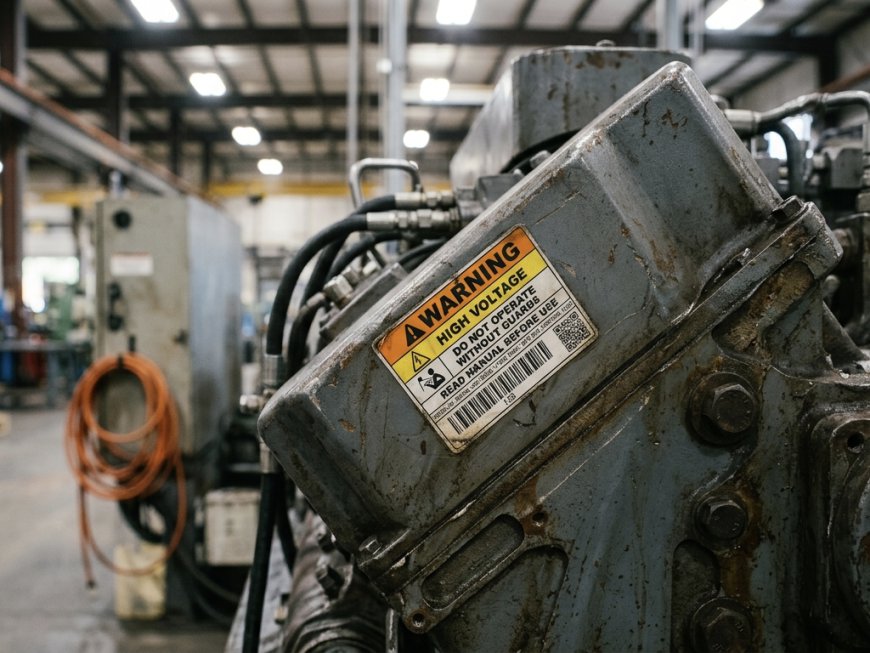
The Industrial Labels Market continues to evolve as key industries increasingly demand advanced labeling solutions for compliance, traceability, and safety. Market dynamics are being influenced by rapid technological advancements and shifts in regulatory frameworks, shaping growth patterns and competitive positioning across regions.
Market Size and Overview
The Global Industrial Labels Market size is estimated to be valued at USD 8.5 billion in 2026 and is expected to reach USD 14.7 billion by 2033, exhibiting a compound annual growth rate (CAGR) of 8.2% from 2026 to 2033.
This market growth is driven by increasing adoption of sustainable labeling materials and advancements in digital printing technology, enhancing label functionality and durability for harsh industrial environments. The Industrial Labels Market Report highlights growing market revenue streams from automotive, logistics, and chemical sectors requiring specialized industrial labels, reflecting robust industry size and evolving market segments.
Current Events & Its Impact on Market
I. Rapid Adoption of Smart Label Technology
A. Integration of IoT in Industrial Labels – The deployment of IoT-enabled smart labels, as demonstrated by automotive manufacturers in Germany, enhances real-time tracking and asset management, boosting market growth by addressing market challenges related to supply chain transparency.
B. Sustainable Labeling Initiatives in Asia-Pacific – New regulatory mandates in Japan and South Korea focusing on eco-friendly labels drive demand, expanding the market scope towards biodegradable and recyclable materials.
C. Advanced Digital Printing Solutions Deployment – FLEXcon Company Inc.’s 2025 launch of digital printing platforms improves customization and rapid production, positively impacting market companies by lowering production timelines and costs.
II. Geopolitical Tensions and Raw Material Price Fluctuations
A. Trade Restrictions Impacting Polymer Supply Chains – US-China trade tensions have caused price volatility in polymer-based label materials, leading market players to diversify sourcing strategies to mitigate supply disruptions.
B. Energy Crisis in Europe Affecting Manufacturing Costs – Rising energy costs in Europe in 2024 have driven industrial labeling manufacturers to innovate energy-efficient production processes, impacting market growth strategies through operational cost control.
C. Regional Investment in Local Manufacturing Hubs – Increased investments in Southeast Asia have encouraged market players to establish production facilities closer to end-user industries, enhancing market revenue opportunities due to reduced logistics expenses and improved delivery times.
Impact of Geopolitical Situation on Supply Chain
A prime example is the prolonged semiconductor packaging disruption caused by geopolitical tensions in East Asia during early 2025. This affected industrial label manufacturers relying on embedded electronics for smart labels, leading to delays in product deliveries and increased costs. Companies responded by localizing supply chains and increasing inventory buffers, which stabilized inventory flow but temporarily restrained market growth and increased operational expenses. This real-world use case underlines how geopolitical factors directly influence supply chain resilience within the industrial labels market, affecting market trends and overall business growth trajectories.
SWOT Analysis
Strengths:
- Rapid technological innovation in smart and digital label printing enhances product differentiation.
- Strong demand from diverse industries including automotive, logistics, chemicals, and manufacturing sectors.
Weaknesses:
- Dependence on volatile raw material markets (polymers and adhesives) increases production cost fluctuations.
- Limited adoption in emerging markets due to infrastructure and technology barriers.
Opportunities:
- Growing market opportunities through eco-friendly and biodegradable industrial labels amid rising sustainability regulations.
- Expansion into high-growth sectors such as pharmaceuticals and electronics for traceability and anti-counterfeit applications.
Threats:
- Geopolitical tensions causing supply chain disruptions, especially in critical raw materials.
- Market restraints due to increasing competition from regional players adopting low-cost production models.
Key Players
Notable market companies driving industrial labels market growth include CCL Industries Inc., 3M Company, UPM Raflatac, Essentra PLC, FLEXcon Company Inc., Multi-Colour Corporation, Schreiner Group, and Brady Corporation.
- In 2024, 3M Company expanded strategic technology partnerships focused on enhancing adhesive innovation, significantly improving product durability in harsh conditions and increasing market share in automotive sectors.
- FLEXcon Company Inc. invested in state-of-the-art digital printing platforms in 2025, raising customization capabilities and shortening lead times, which positively impacted market revenue streams and strengthened competitive positioning.
- UPM Raflatac intensified focus on biodegradable label solutions in 2025, capitalizing on the rising demand for sustainable industrial labels in Europe and Asia-Pacific, enhancing business growth and addressing evolving market challenges.
FAQs
1. Who are the dominant players in the Industrial Labels Market?
The market is led by key players such as CCL Industries Inc., 3M Company, UPM Raflatac, Essentra PLC, FLEXcon Company Inc., Multi-Colour Corporation, Schreiner Group, and Brady Corporation, each advancing through innovation, partnerships, and sustainability initiatives.
2. What will be the size of the Industrial Labels Market in the coming years?
The global Industrial Labels Market is forecasted to grow from USD 8.5 billion in 2026 to USD 14.7 billion by 2033, reflecting a CAGR of 8.2% driven by technological advancements and increasing end-user demand.
3. Which end-user industry has the largest growth opportunity?
Automotive and logistics industries are projected to offer the largest growth opportunity due to stringent regulatory requirements and the rising need for real-time asset tracking and compliance labeling.
4. How will market development trends evolve over the next five years?
Market trends will trend toward increased adoption of smart labels with IoT integration, growing use of sustainable and biodegradable materials, and enhanced digital printing methods that improve efficiency and customization.
5. What is the nature of the competitive landscape and challenges in the Industrial Labels Market?
The competitive landscape is characterized by innovation-led strategies among global players, with challenges including supply chain disruptions, raw material price volatility, and the need for sustainable product development.
6. What go-to-market strategies are commonly adopted in the Industrial Labels Market?
Common market growth strategies include technology partnerships, regional manufacturing expansion, investments in sustainable solutions, and digital printing capabilities to enhance product differentiation and operational efficiency.
➣ Get this Report in Japanese Language: 工業用ラベル市場
➣ Get this Report in Korean Language: 산업용라벨시장
About Author:
Vaagisha brings over three years of expertise as a content editor in the market research domain. Originally a creative writer, she discovered her passion for editing, combining her flair for writing with a meticulous eye for detail. Her ability to craft and refine compelling content makes her an invaluable asset in delivering polished and engaging write-ups.