Hypertension Dubai: Causes, Symptoms, and Management
Explore Hypertension Dubai: causes, symptoms, and effective management tips to maintain healthy blood pressure
 Dr. Barbara
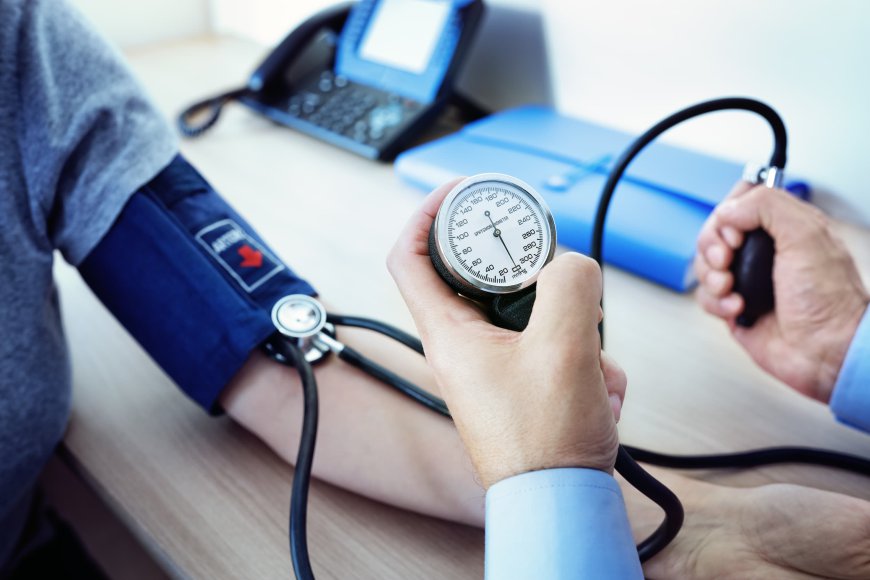
Hypertension, commonly known as high blood pressure, has become a growing health concern worldwide, and Dubai is no exception. With the city’s fast-paced lifestyle, high-stress work environments, and changing dietary patterns, the prevalence of hypertension among residents has been steadily increasing. Understanding the causes, recognizing the symptoms, and learning effective management strategies are essential to reduce long-term health risks and maintain a healthy life. In this blog, we will explore everything you need to know about Hypertension Dubai.
What is Hypertension?
Hypertension is a medical condition in which the force of blood against the walls of the arteries is consistently too high. Blood pressure is measured in millimeters of mercury (mmHg) and recorded as two numbers: systolic pressure (pressure when the heart beats) over diastolic pressure (pressure when the heart is at rest). According to the American Heart Association, a normal blood pressure reading is below 120/80 mmHg, whereas readings of 130/80 mmHg or higher indicate hypertension.
Persistent high blood pressure increases the workload on the heart, arteries, and other organs, which can lead to serious health complications if left untreated.
Causes of Hypertension
The development of hypertension can result from multiple factors, and in most cases, it is a combination of lifestyle, genetics, and underlying medical conditions. In Dubai, several specific factors contribute to the rising prevalence of high blood pressure:
1. Sedentary Lifestyle
Modern urban living in Dubai often involves long working hours, desk jobs, and minimal physical activity. A sedentary lifestyle can contribute to weight gain, poor cardiovascular health, and increased blood pressure.
2. Unhealthy Diet
High consumption of fast food, processed meals, and foods rich in salt, sugar, and unhealthy fats can trigger hypertension. Traditional Emirati diets are often combined with modern Western eating habits, which increases the risk further.
3. Obesity
Obesity is one of the leading risk factors for hypertension. Excess body weight puts extra strain on the heart and blood vessels, leading to elevated blood pressure levels.
4. Stress and Work Pressure
Dubai’s high-pressure work culture, especially in sectors like finance, real estate, and hospitality, contributes significantly to stress-induced hypertension. Chronic stress can increase hormone levels like cortisol and adrenaline, which raise blood pressure.
5. Genetics and Family History
A family history of hypertension increases the likelihood of developing the condition. Genetic predisposition interacts with lifestyle factors, making individuals more susceptible.
6. Medical Conditions
Certain conditions, such as diabetes, kidney disease, and hormonal disorders, can cause secondary hypertension. People with these health issues in Dubai need closer monitoring for early detection.
7. Smoking and Alcohol Consumption
Both smoking and excessive alcohol intake damage blood vessels and can lead to elevated blood pressure over time. While alcohol consumption is relatively low in Dubai due to cultural and legal regulations, smoking remains a significant concern.
Symptoms of Hypertension
Hypertension is often referred to as a “silent killer” because many individuals may not exhibit symptoms until complications arise. However, some people may experience:
- Headaches, especially in the morning
- Dizziness or lightheadedness
- Blurred vision
- Shortness of breath
- Chest pain or palpitations
- Fatigue or confusion
- Nosebleeds (less common but possible in severe cases)
It is crucial to note that these symptoms do not appear in all cases. Therefore, regular monitoring of blood pressure is essential, even in the absence of symptoms. In Dubai, healthcare providers emphasize routine health checks as the best way to detect Hypertension Dubai early.
Complications of Untreated Hypertension
If left unmanaged, high blood pressure can lead to serious and potentially life-threatening complications, including:
- Heart Disease – Increased risk of heart attacks, heart failure, and left ventricular hypertrophy.
- Stroke – Hypertension damages blood vessels in the brain, leading to ischemic or hemorrhagic strokes.
- Kidney Damage – High blood pressure can reduce kidney function, potentially causing chronic kidney disease.
- Vision Loss – Hypertension can damage the blood vessels in the eyes, resulting in retinopathy.
- Aneurysm Formation – Continuous pressure on arterial walls can lead to dangerous bulges or aneurysms.
Early diagnosis and effective management can significantly reduce these risks.
Diagnosis of Hypertension
In Dubai, healthcare facilities offer comprehensive diagnostic services to detect hypertension early. The process typically includes:
- Blood Pressure Measurement – Repeated readings at different times to confirm high blood pressure.
- Laboratory Tests – Blood tests to check kidney function, cholesterol levels, and blood sugar.
- Electrocardiogram (ECG) – To assess heart function and detect any abnormalities.
- Lifestyle Assessment – Evaluating diet, physical activity, and stress levels to identify modifiable risk factors.
Regular health screenings in Dubai are highly recommended, especially for adults above 40 or individuals with risk factors like obesity, family history, or diabetes.
Management of Hypertension
Managing Hypertension Dubai requires a multifaceted approach combining lifestyle changes, medications, and routine monitoring. Here’s how:
1. Lifestyle Modifications
Lifestyle changes are often the first line of defense against high blood pressure:
- Healthy Diet: Emphasize fruits, vegetables, whole grains, lean proteins, and low-fat dairy. Reduce salt intake to less than 5g per day.
- Regular Exercise: Engage in at least 30 minutes of moderate physical activity, such as brisk walking, swimming, or cycling, five days a week.
- Weight Management: Achieving and maintaining a healthy weight helps lower blood pressure.
- Stress Management: Yoga, meditation, and mindfulness techniques can help manage stress-induced hypertension.
- Avoid Smoking and Limit Alcohol: Both significantly contribute to high blood pressure and cardiovascular disease.
2. Medications
For individuals with moderate to severe hypertension or those unable to control blood pressure through lifestyle changes alone, medications are prescribed. Common classes include:
- Diuretics: Help reduce blood volume.
- ACE Inhibitors: Relax blood vessels.
- Beta-Blockers: Slow heart rate and reduce pressure.
- Calcium Channel Blockers: Improve blood flow by relaxing arteries.
- Angiotensin II Receptor Blockers (ARBs): Lower blood pressure by blocking hormone effects.
It is vital to take prescribed medications regularly and consult healthcare professionals for dosage adjustments.
3. Regular Monitoring
Patients with hypertension should regularly monitor their blood pressure at home or at a clinic. This ensures early detection of any changes and allows timely adjustments in therapy.
4. Routine Health Check-Ups
In Dubai, many hospitals and clinics offer specialized cardiovascular screening packages. Routine check-ups help track blood pressure trends, cholesterol, kidney function, and other markers that may impact overall heart health.
Preventive Measures
Preventing hypertension is always better than treating it. Some preventive strategies include:
- Maintaining a balanced diet low in salt and processed foods.
- Exercising regularly and maintaining an active lifestyle.
- Managing stress through relaxation techniques.
- Limiting alcohol intake and avoiding smoking.
- Monitoring blood pressure regularly to detect early changes.
- Following medical advice and medication regimens when necessary.
By adopting these preventive strategies, residents of Dubai can reduce the risk of developing hypertension and associated complications.
Conclusion
Hypertension Dubai is a silent yet dangerous health condition that requires awareness, early detection, and effective management. While lifestyle factors such as diet, stress, and physical inactivity are major contributors, genetics and underlying medical conditions also play a significant role. Understanding the causes, recognizing the symptoms, and adopting preventive measures can help individuals maintain healthy blood pressure levels and reduce the risk of severe cardiovascular complications. Residents of Dubai are encouraged to prioritize routine health check-ups, adopt a healthy lifestyle, and consult healthcare professionals promptly to manage hypertension effectively.
FAQs
- What is considered high blood pressure in Dubai?
High blood pressure is defined as a reading of 130/80 mmHg or above, similar to international standards. - Can hypertension be cured naturally?
While lifestyle modifications such as diet, exercise, and stress management can significantly control blood pressure, some individuals may require lifelong medication for proper management. - How often should adults in Dubai check their blood pressure?
Adults should ideally check their blood pressure at least once every year. Those with risk factors may need more frequent monitoring. - Are there specific clinics in Dubai for hypertension management?
Yes, many hospitals and wellness centers in Dubai offer specialized cardiovascular care and hypertension management programs. - Does stress really affect blood pressure?
Yes, chronic stress elevates hormone levels that can increase blood pressure. Effective stress management is crucial for long-term health. - Can children have hypertension?
Yes, though less common, children with obesity, kidney disorders, or genetic predisposition may develop high blood pressure and require monitoring.