Israel’s Juice Sector Advances Through Health-Oriented Beverage Innovation
Discover how health-conscious consumers, reduced-sugar formulations, premium juices, and sustainable packaging are shaping Israel's juice industry.
 adamwilliamson
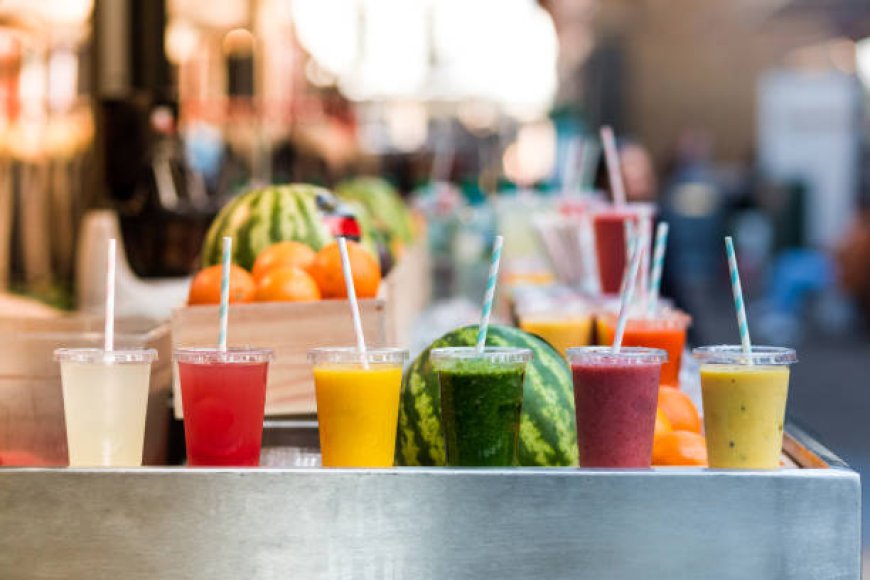
The juice industry in Israel is experiencing gradual transformation as consumers increasingly prioritize nutritional value, ingredient transparency, and healthier beverage choices. Changing dietary preferences, rising awareness regarding sugar consumption, and demand for natural beverage options are encouraging manufacturers to refine product formulations and introduce innovative juice categories. The industry is balancing traditional consumption patterns with emerging wellness-focused expectations across retail and foodservice channels.
According to a study published by Vyansa Intelligence, the Israel Juice Market size was valued at USD 355 Million in 2025 and is projected to reach USD 410 Million by 2032, expanding at a CAGR of 2.08% during 2026-2032. Increasing preference for natural beverages, growing demand for healthier juice formulations, and continued innovation in product development are supporting the Israel Juice Market growth.
Health-Focused Consumption Shapes Beverage Development
Consumers in Israel are becoming more attentive toward beverage ingredients, particularly sugar levels, additives, and nutritional benefits. This shift is encouraging manufacturers to develop products positioned around natural ingredients, reduced sugar content, and improved nutritional profiles.
The category includes 100% juice, juice drinks, nectars, vegetable juice, and fruit and vegetable blends. Among these categories, 100% juice holds the leading position with a 52% share, supported by consumer preference for products perceived as natural and less processed.
These changing preferences are influencing Israel Juice Market trends as producers focus on cleaner labels, functional attributes, and product differentiation.
Sugar Reduction Drives Reformulation Strategies
Sugar awareness has become a major factor influencing juice product innovation in Israel. Consumers are increasingly evaluating beverages based on nutritional information, encouraging companies to reformulate existing products and introduce lower-sugar alternatives.
Front-of-pack nutritional labeling requirements introduced by the Israeli Ministry of Health have increased visibility regarding sugar levels in packaged foods and beverages. These regulations are encouraging manufacturers to improve formulations while maintaining taste and consumer acceptance.
Companies are exploring natural sweeteners, reduced-sugar recipes, and advanced processing approaches to create products that align with evolving health expectations.
Premium and Natural Juice Categories Create Opportunities
Demand for premium juice products is increasing as consumers seek beverages associated with freshness, quality ingredients, and enhanced nutritional value. Not-from-concentrate (NFC) juices are gaining attention because of their positioning around minimal processing and natural characteristics.
Manufacturers are also exploring fruit blends, functional beverages, and products featuring additional nutritional benefits to strengthen differentiation in a competitive beverage environment.
These developments are expected to influence the Israel Juice Market forecast by encouraging companies to expand premium portfolios and invest in innovative formulations.
Retail Channels Remain Central to Distribution
Retail distribution continues to play a significant role in juice purchasing behavior across Israel. According to Vyansa Intelligence, off-trade channels accounted for 80% share of sales, highlighting the importance of supermarkets, retail outlets, convenience stores, and online platforms in product accessibility.
Consumers continue to rely on retail stores for regular household purchases, while online grocery platforms are gaining importance by offering convenience, product variety, and competitive pricing.
The combination of established retail infrastructure and expanding digital commerce is supporting wider availability of juice products across consumer segments.
Packaging Innovation Supports Product Differentiation
Packaging has become an important factor in beverage product development as manufacturers seek to improve convenience, sustainability, and shelf appeal. PET bottles, glass bottles, aseptic cartons, metal cans, disposable cups, and pouches are used across different juice categories to meet varying consumer requirements.
Sustainable packaging solutions, recyclable materials, and lightweight designs are becoming increasingly relevant as companies focus on reducing environmental impact while maintaining product quality.
The United Nations Environment Programme (UNEP) promotes sustainable packaging and resource-efficient production practices that align with the beverage industry's environmental goals.
Improved packaging technologies also support longer shelf life, better transportation efficiency, and enhanced consumer convenience.
Agricultural Resources Support Juice Production
Israel’s agricultural capabilities provide an important foundation for juice production, particularly through fruit cultivation and food processing expertise. Citrus fruits and other agricultural products contribute to the availability of raw materials used in beverage manufacturing.
The integration of agricultural production with advanced processing technologies enables manufacturers to develop products emphasizing freshness, quality, and regional sourcing.
The Food and Agriculture Organization of the United Nations (FAO) recognizes sustainable agricultural production and efficient food value chains as essential for supporting long-term food and beverage manufacturing.
Continued improvements in agricultural efficiency and food processing capabilities are expected to support the long-term development of the beverage sector.
Competitive Landscape
The competitive environment includes domestic juice producers, beverage companies, and food processing organizations focusing on product innovation, distribution strength, and brand positioning. More than 10 companies are actively engaged in juice production in Israel, while the top five companies account for around 90% of the market share.
Key companies covered include Greenfield Foods Ltd, Naturafood Ltd, Tomer Import & Export Ltd, Gat Food Canneries Ltd, Ganir Ltd, Jafora-Tabori Ltd, Priniv Ltd, Tempo Beverages Ltd, Adir RY Trade Ltd, and Kibbutz Neot Semadar.
Companies are focusing on healthier formulations, premium product positioning, packaging improvements, and expanded retail strategies to strengthen competitiveness.
Future Direction
The future development of Israel’s juice sector will depend on health-driven innovation, sugar reduction strategies, premium product expansion, and sustainable packaging solutions. Manufacturers are expected to continue adapting their portfolios as consumers increasingly seek beverages with natural positioning and improved nutritional value.
Technological advancements in processing, formulation, and packaging will support the introduction of differentiated products while helping companies address changing regulatory and consumer expectations.
Conclusion
Israel’s juice industry is evolving through a combination of health awareness, product innovation, and changing consumer preferences. The increasing importance of natural ingredients, reduced sugar formulations, premium beverages, and sustainable packaging is reshaping industry dynamics. As manufacturers continue adapting to wellness-focused consumption patterns, the juice sector will continue developing through innovation across products, technologies, and distribution channels.