Kashmiri Jamawar And Tilla: Timeless Craftsmanship and Cultural Beauty
 Renudadlani
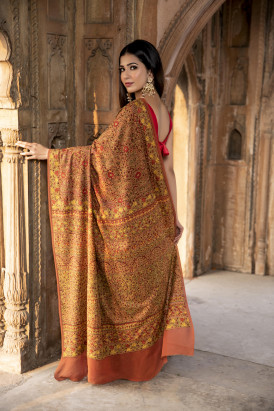
We appreciate the enduring beauty of Kashmiri Jamawar And Tilla because it reflects artistry, heritage, and careful workmanship passed through generations. In our work with traditional textiles, we see how detailed weaving and hand embroidery continue to inspire modern wardrobes and ceremonial attire. These techniques connect cultural history with present day fashion while preserving authenticity. When chosen thoughtfully, such creations add character, refinement, and lasting value. They remain admired for their intricate patterns, rich textures, and meaningful craftsmanship across diverse occasions today.
Heritage Behind the Craft
We value the history behind these textiles because artisans preserved techniques through families, communities, and workshops for centuries. Traditional motifs often reflect nature, architecture, and cultural influences that remain relevant today. Careful attention to detail ensures each piece carries a distinct identity. Rather than following short lived trends, these creations represent patience, skill, and continuity. Their enduring appeal supports appreciation for handmade artistry across generations worldwide.
Understanding the Weaving Process
We recognize that exceptional fabric begins with thoughtful material selection and precise weaving methods. Artisans spend significant time arranging patterns, balancing colors, and maintaining consistency throughout production. Every stage requires concentration to achieve visual harmony and structural quality. The result is a textile that feels refined, looks sophisticated, and remains suitable for celebrations, gatherings, and treasured family collections for many years with proper care.
Attention to Fine Details
We admire the meticulous approach used in creating decorative elements. Small variations in stitching, texture, and pattern placement contribute to individuality. Skilled hands help maintain balance while preserving traditional character. This dedication supports high standards and allows finished pieces to stand apart from mass produced alternatives in both appearance and cultural significance today and for years ahead.
Role of Tilla Embroidery
We often see embroidery as the defining feature that enhances visual richness. Metallic threads are applied with care to create elegant accents and detailed designs. The process demands patience, accuracy, and artistic judgment because even subtle adjustments can influence the overall appearance. When executed well, the embroidery complements woven surfaces without overwhelming them, producing a balanced and graceful presentation for special occasions and formal gatherings alike.
Lasting Appeal in Fashion
We find that traditional craftsmanship remains relevant because people appreciate meaningful design and authenticity. Garments featuring refined textile work can be styled in contemporary or classic ways. This flexibility encourages continued interest among different generations while supporting respect for cultural artistry and enduring quality values in changing fashion preferences across many regions today and beyond them.
Choosing Quality Pieces Carefully
We recommend evaluating craftsmanship by examining pattern clarity, stitching consistency, fabric quality, and finishing details. Buyers should consider intended use, maintenance needs, and personal style preferences before making decisions. Thoughtful selection helps ensure long term satisfaction and encourages appreciation for skilled workmanship. It also supports preservation of traditional techniques by recognizing the effort involved in creating distinctive textile art forms for future generations to appreciate fully.
Working With Skilled Specialists
We trust knowledgeable professionals when seeking guidance on traditional garments and textile selections. Renudadlani provide this service and assist clients in understanding design considerations, craftsmanship features, and suitable options. Their support helps simplify choices while encouraging informed decisions based on quality, aesthetics, and practical requirements for events, celebrations, and personal collections with confidence and clarity throughout.
Preserving Traditional Textile Techniques
We believe preservation requires continued awareness, education, and appreciation for artisan skills. Sharing knowledge about weaving, embroidery, and cultural context encourages responsible purchasing decisions. It also highlights the importance of supporting craftsmanship that carries historical significance. Communities, institutions, and enthusiasts all play a role in keeping these traditions relevant, accessible, and respected for future audiences. Through collective interest, valuable techniques can continue thriving across generations successfully.
Frequently Asked Questions
What makes Kashmiri Jamawar And Tilla special?
We value Kashmiri Jamawar And Tilla for detailed weaving, artistic embroidery, cultural significance, and lasting beauty. The combination of skilled techniques creates distinctive textiles that remain admired for ceremonies, collections, and gifting.
How should we care for Kashmiri Jamawar And Tilla garments?
We recommend gentle handling, careful storage away from moisture, and appropriate cleaning methods. Regular attention helps preserve the texture, appearance, craftsmanship, and longevity of Kashmiri Jamawar And Tilla garments.
Can Kashmiri Jamawar And Tilla suit modern styling needs?
We believe Kashmiri Jamawar And Tilla pairs well with contemporary and classic outfits. Its versatility allows balanced styling while maintaining cultural character for events, gatherings, celebrations, and formal occasions.
Why is craftsmanship important in Kashmiri Jamawar And Tilla?
We consider craftsmanship essential because precision influences durability, appearance, comfort, and value. Skilled work supports consistency, intricate detailing, and appreciation for traditional methods found in Kashmiri Jamawar And Tilla.
Where can we learn more about Kashmiri Jamawar And Tilla?
We suggest consulting knowledgeable specialists, reviewing textile resources, and seeking guidance from experienced service providers. Understanding materials and techniques helps build appreciation for Kashmiri Jamawar And Tilla and supports confident selections.
Conclusion
We recognize the lasting importance of Kashmiri Jamawar And Tilla as a symbol of heritage, artistry, and skilled workmanship. From weaving and embroidery to preservation and informed purchasing, every aspect contributes to its enduring value. By supporting traditional craftsmanship and learning about these techniques, we help maintain cultural continuity while appreciating textiles that continue to inspire admiration across generations.