Knee Relief Massager That Actually Makes a Difference
 metaminds
0
2
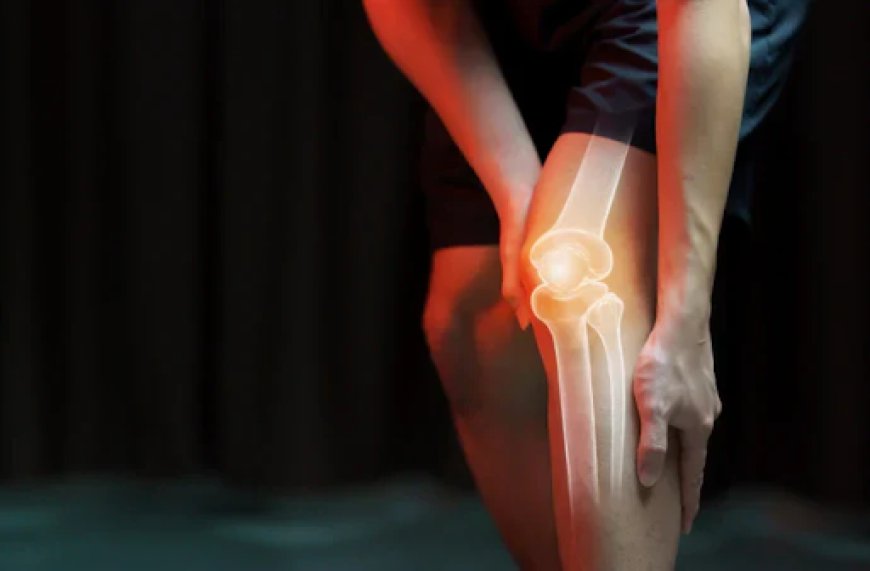
Knee pain is one of those things people don’t really understand until it hits them. One day you’re fine, next day you’re holding the railing going upstairs like you’re 80. Somewhere in that whole mess, I started looking into a knee relief massager, not because I was excited about gadgets, but because pain makes you do things you normally wouldn’t bother with.
I’ve seen a lot of claims online. “Instant relief,” “doctor approved,” all that noise. Honestly, most of it sounds like marketing fluff. But a few devices stood out because they didn’t promise miracles, just steady relief you could actually feel after using them for a while.
That’s what this is about. Not hype. Just what actually seems to help when your knees are yelling at you every time you sit down or stand up.
Why Knee Pain Gets So Stubborn
Knee pain isn’t just about age, even though people like to say that. It’s walking too much on bad floors, sitting too long, bad posture, old injuries you ignored, and sometimes just bad luck.
You feel it when climbing stairs. Or when you sit cross-legged and regret it 30 seconds later. And the worst part? It doesn’t always stay the same. Some days it’s mild, other days it’s like your joint is full of gravel.
That’s where people start looking for external help. Creams, belts, warm compresses… and eventually something more consistent like a knee relief massager that can be used daily without too much effort.
What a Knee Relief Massager Actually Does (In Real Life)
Let’s be honest. These devices aren’t magic. They don’t “fix” your knee. But what they can do is reduce that tight, stiff feeling that makes everything harder than it should be.
Most knee massagers work by combining heat, compression, and vibration. Heat helps loosen things up. Compression gives that squeezed, supported feeling. Vibration… well, it kind of distracts the nerves and relaxes the area. Simple idea, but surprisingly effective when your knee is stiff from sitting or walking too much.
The good ones don’t feel aggressive. They just slowly take the edge off. You sit there for 15–20 minutes, maybe scroll your phone, and when you stand up, it’s not perfect, but it’s better. Sometimes noticeably better.
Infrared Knee Massager and Why People Talk About It
Now this is where things get a bit more interesting. An infrared knee massager adds a different layer of heat therapy. Instead of just surface warmth, it goes a bit deeper into the tissue. At least that’s the idea behind it.
In real use, it feels more “penetrating,” if that makes sense. Not hot in a burning way, but steady warmth that kind of seeps in. People with chronic stiffness seem to like it more because it doesn’t just relax the surface; it feels like it reaches the deeper tension.
I won’t oversell it, though. If your knee is seriously injured, this isn’t replacing medical treatment. But for everyday stiffness, soreness after walking, or old joint discomfort that never fully goes away, the infrared style devices do feel a bit more complete than basic heat pads.
And yeah, it’s one of those things you don’t fully appreciate until you’ve used it a few times, not just once.
What Actually Matters When Choosing One
There are too many versions out there, and honestly, most look the same in pictures. But a few things actually matter in real use.
Fit is big. If it doesn’t wrap properly around your knee, it’s useless. You’ll end up adjusting it every five minutes, which defeats the purpose.
Heat levels matter too. Not because you need extreme heat, but because flexibility helps. Some days your knee wants mild warmth, other days you want stronger relief.
Battery life is another boring but important point. A device that dies halfway through a session is just annoying.
And comfort. This sounds obvious, but some units feel bulky or stiff, like strapping a brick to your leg. The better ones disappear once you start using them, and you almost forget it’s there.
A Real-World Feel (Not a Brochure)
I’ve seen people use a knee massager while watching TV, working from home, and even while sitting outside in the evening. It becomes part of routine, not some special treatment ritual.
The relief isn’t dramatic like a painkiller. It’s more subtle. You notice it when you stand up and realize your knee didn’t complain as much as usual. That small moment matters more than people think.
It won’t turn a bad knee into a perfect one. Let’s not pretend that. But it can make daily movement less annoying, and sometimes that’s enough to keep you going without constantly thinking about pain.
Conclusion
At the end of the day, a knee relief massager is not a cure, but it’s a practical tool that fits into real life without much effort. You use it, you feel some easing, you move on with your day.
And if you go for an infrared knee massager, the deeper warmth adds another level that many people find more effective for long-term stiffness. Not dramatic, not flashy, just steady relief that shows up when you actually need it.
It’s one of those things where expectations matter. Keep them realistic, and you’ll probably find it more useful than you expected.