What Makes an Epoxy Roller Different From Standard Covers
 metaminds
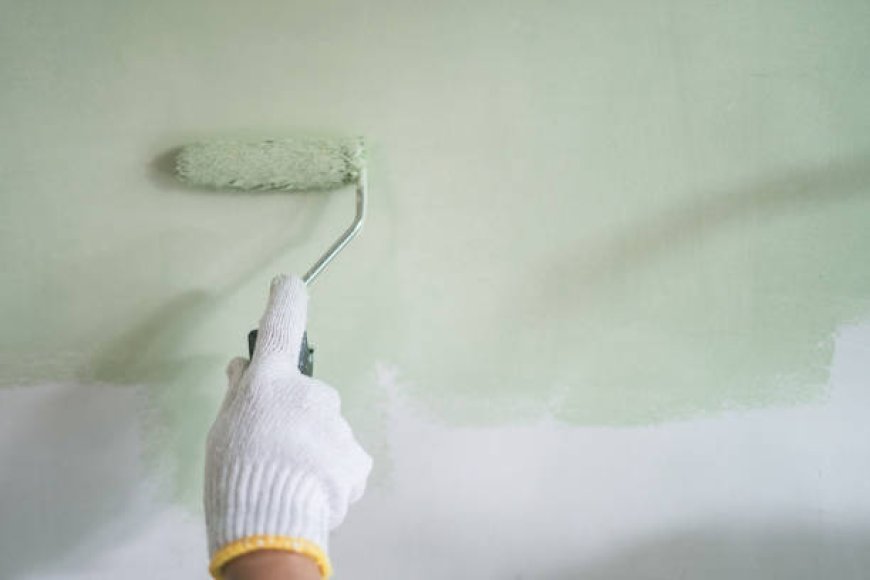
If you’ve ever rolled out epoxy and thought, “why does this feel like a fight,” you’re not alone. A lot of that struggle comes down to the tool in your hand. Not the product. Not even your technique, sometimes. The roller. Somewhere early in the process, people assume all roller covers are basically the same. They’re not. An epoxy glide roller cover isn’t just a rebranded paint roller—it’s built differently, and that difference shows up fast once you start applying thicker coatings. You feel it in the drag, the way it spreads, the finish it leaves behind. And yeah, if you use the wrong one, it can wreck a job quicker than you’d expect.
Why Material Matters More Than You Think
Regular roller covers are usually made for standard paints—latex, acrylics, stuff that flows easy and forgives mistakes. Epoxy doesn’t play like that. It’s thicker, heavier, and a lot less forgiving. An epoxy roller is built with materials that resist shedding and hold up under that weight. Cheap rollers? They break down. Fibers come loose. Next thing you know, you’ve got lint stuck in your coating. Looks terrible, and it’s a pain to fix. A proper epoxy roller uses tighter, more durable fibers. It’s subtle, but it matters. You get a smoother pull, less contamination, fewer surprises.
Nap Length and Density Aren’t Random Choices
Here’s where people mess up a lot. They grab whatever nap length they’ve used before and hope it works. With epoxy, nap length and density are dialed in for a reason. Shorter naps tend to give you smoother finishes, but they don’t hold as much material. Longer naps carry more epoxy but can leave texture if you’re not careful. The real difference with an epoxy-specific roller is balance. The density is tighter, more controlled. It doesn’t just dump product—it lays it down evenly. That even spread? That’s what keeps your surface from looking patchy or uneven later.
How Epoxy Rollers Handle Viscosity Differently
Epoxy is thick. Not kinda thick—really thick compared to paint. Standard rollers soak it up but don’t release it evenly. You end up pushing harder, working more, and still getting inconsistent coverage. An epoxy roller is designed to handle that viscosity. It loads properly, then releases in a more controlled way. You don’t have to fight it as much. There’s less drag, less arm fatigue, and fewer streaks. It sounds small, but after an hour of rolling, you’ll feel the difference in your shoulders—and in the floor.
Finish Quality: Where the Gap Becomes Obvious
This is where things really separate. You can get away with a standard roller for a bit, maybe on a small job. But when the coating cures, that’s when the truth shows up. Standard covers tend to leave bubbles, streaks, or uneven thickness. An epoxy roller, especially something like an epoxy glide roller cover, is built to minimize that. It spreads evenly, reduces air entrapment, and helps create that clean, glass-like finish people expect. Not perfect every time, sure—but a lot closer, with less effort.
Durability Under Tough Conditions
Epoxy jobs aren’t gentle. You’re working with chemicals, sometimes in warm conditions, sometimes fast because the product’s setting up. Standard rollers wear out quickly in that environment. They mat down, lose shape, stop performing halfway through the job. That’s not just annoying—it can mess with your consistency. Epoxy rollers are built to last longer under pressure. They keep their structure, keep applying evenly, and don’t fall apart mid-project. You don’t have to keep swapping them out every 20 minutes, which… honestly, saves your patience more than anything.
Cost vs Performance: Where People Cut Corners
A standard roller is cheaper. No argument there. That’s usually why people reach for it. But here’s the thing—what you save upfront, you often lose in time, effort, and rework. If you have to redo sections, sand down imperfections, or deal with a bad finish, that “cheap” roller gets expensive real quick. An epoxy roller costs more because it’s made for a specific job. And if you’re already investing in epoxy coating, which isn’t cheap to begin with, it doesn’t make much sense to cut corners on the tool doing the actual application.
Don’t Forget the Supporting Tools
Rollers get most of the attention, but they’re not working alone. Edges, corners, tight spots—you’re still going in with brushes. That’s where people sometimes mix quality levels, which is a mistake. If you’re already investing in better rollers, it makes sense to match that with decent tools across the board. You’ll see a lot of paint brushes for sale that look fine on the surface but don’t hold up with epoxy. Same issues—shedding, uneven application, poor control. It’s all connected. Weak tool in one area can throw off the whole finish.
Conclusion
At the end of the day, the difference between an epoxy roller and a standard cover isn’t marketing fluff—it’s function. It’s how the material handles thickness, how it spreads product, how it holds up under pressure. You can try to make a standard roller work, and sometimes it will, sort of. But it’s harder, messier, and way less predictable. An epoxy-specific roller just does the job better. Cleaner finish, smoother application, fewer headaches. And if you’ve ever had to fix a bad epoxy job, you already know—that’s worth it.