Langtang Valley Trek A Beginner's Overview
Explore the Langtang Valley Trek with this beginner's overview. Learn about the trail, difficulty, best time to visit, and essential tips for a rewarding trek in Nepal.
 khusbuddin
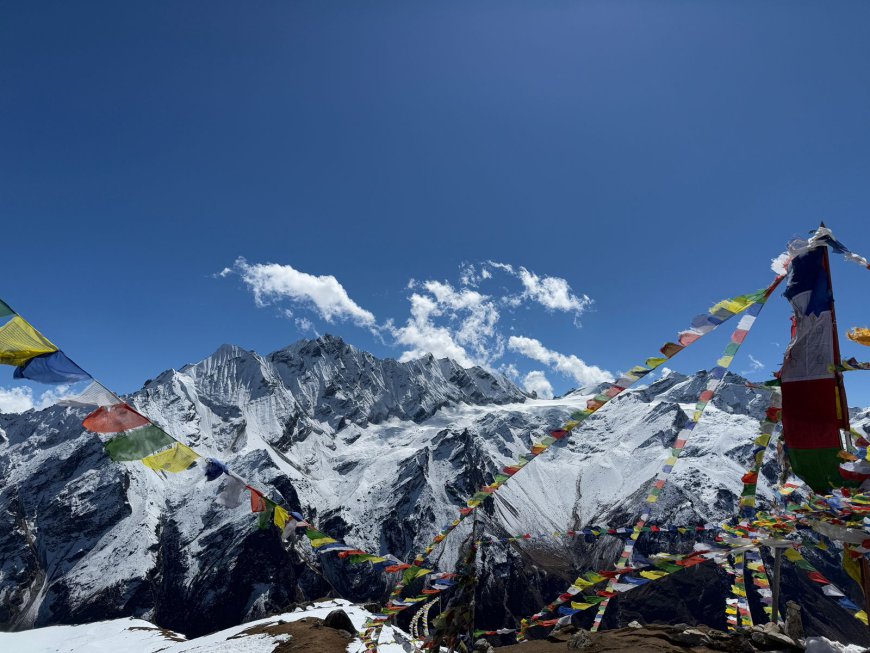
Hidden beyond Kathmandu’s northern edge lies the Langtang Valley Trek, a quiet journey close to Tibet. Mountain views unfold beside paths that feel untouched by rush. Instead of crowds, travelers meet Tamang communities where life moves gently through old customs. For those new to high-altitude hikes, this route brings challenge without harshness. Nature shows up in forests, streams, and peaks while village homes offer warm shelter. The rhythm stays steady - calm days build into deep memories.
Beginning and Path
Most people begin at Syabrubesi, a quiet village tucked in the hills, accessible by bus or jeep from Kathmandu. Heading out from there, hikers step into Langtang National Park, passing trees thick with moss, crossing rivers on narrow bridges swaying slightly underfoot. As elevation increases, the path rises bit by bit, allowing new trekkers to get used to thinner air without rushing it. Nature stays close throughout - birds call between tree lines, wind moves through pines, views unfold around each turn.
Langtang Village Experience
Hidden among the hills, Langtang Village rises again after the 2015 quake. Strength lives here now, quiet but clear. Walking through, travelers meet Tamang traditions up close - homes built by hand, greetings offered freely. Peaks dusted in snow watch silently overhead, shaping moments that stick long after leaving. Peace settles easily where stone meets sky.
Kyanjin Gompa Highlights
Perched high on the trail, Kyanjin Gompa draws eyes and footsteps alike. Glaciers cling to its edges, mountains rise like walls around it. An old monastery sits quietly there, next to where villagers make cheese each morning. Trekkers often pause their climb just to breathe deeper, wandering toward vantage spots with wide-open views of snow ridges and still meadows.
Hiking Viewpoints
Up high, Kyanjin Ri or Tserko Ri draw those who like moving fast through wild places. Sunrise here beats most others across Langtang, hands down. Golden light spills over Langtang Lirung, touching nearby snow summits one by one. The path climbs sharp, yet anyone can make it given steady steps.
Difficulty Level
Starting off gently, the Langtang Valley Trek suits beginners who stay active now and then. Most days involve around five to seven hours on foot, give or take. Though paths are clear, expect a few sharp ups and uneven stones underfoot. Taking it slow, drinking enough water, plus getting ready ahead of time keeps things smooth for all walkers.
When to Go
Clear skies often greet trekkers in spring and autumn. Trails light up with blooming rhododendrons at that time. Mountain peaks stand out sharply against bright horizons then. Comfortable warmth makes walking easier during those stretches of the year. Winter shows a quieter face, cold but passable for those who’ve practiced before. Monsoon days arrive wet, turning paths slick underfoot. Rain falls often, limiting how far most will go.
Tea House Stay
Most places to stay on the path are family-run lodges serving tea and shelter. A bed, some food, warmth - these spots cover what hikers truly need. Not fancy, yet cozy after hours on mountain paths. Expect plates of rice, steaming soups, noodle bowls, plus local favorites built for stamina through tough stretches.
Altitude and Safety
High up means your body needs time to adjust on this trail. Even if Langtang isn’t quite as sky-high as some Himalayan paths, giving yourself space to adapt matters. Pausing for full days - say, in Kyanjin Gompa - cuts down chances of feeling ill from thin air. Staying wet, meaning sipping water often, keeps things stable. Move slow, stay smooth; that rhythm supports safer progress uphill.
Culture and Local Life
Out here, culture grabs attention just as much as the peaks. Home to the Tamang people, daily life carries echoes of Tibet - heard in speech, seen in clothing, felt near quiet monasteries. Along footpaths, fluttering prayer flags meet the eye, hand-turned wheels hum beside trails, old shrines rest among stones. More than views alone, these moments shape what stays with you long after walking ends.
Travel and Preparation
Most travelers find it easy to get from Kathmandu to the trail start. Buses run regularly, while hired jeeps offer a faster option toward Syabrubesi. Winding roads eat up many hours, cutting past terraced hills, rushing water, and quiet farming communities. Some stretches rattle your bones - bumpy, uneven, worn by weather. Yet those shaky turns deliver views that feel worth every jolt. Adventure begins long before you lace up hiking boots.
Final Advice
Start strong if you want Langtang Valley to go smoothly. Get into basic shape before leaving, pack sturdy boots, layers that hold heat, along with a reliable bag to carry it all - these matter most. First-timers? Bring necessary meds plus proof of insurance coverage just in case. A local guide isn’t required by rule, yet having one helps avoid risks while uncovering hidden details about the land, particularly when it's your debut trek.
Conclusion
Start high, but gently - Langtang Valley welcomes first-time trekkers into Nepal's mountains. Breathtaking peaks rise beside trails that never push too hard. Culture thrives here, woven into village life and ancient monasteries. Quiet forests replace crowded paths. A sense of calm stays present throughout the journey. Adventure feels earned, yet approachable for those just beginning. Beauty shows up in wide vistas and small moments alike. Few routes balance effort so well with wonder. This path earns affection, not through drama - but by being deeply real.