Langtang Valley Trek Safety Tips for Solo and Group Travelers
Explore essential safety tips for the Langtang Valley Trek, from altitude awareness and trail preparation to guidance for both solo and group travelers in Nepal.
 khusbuddin
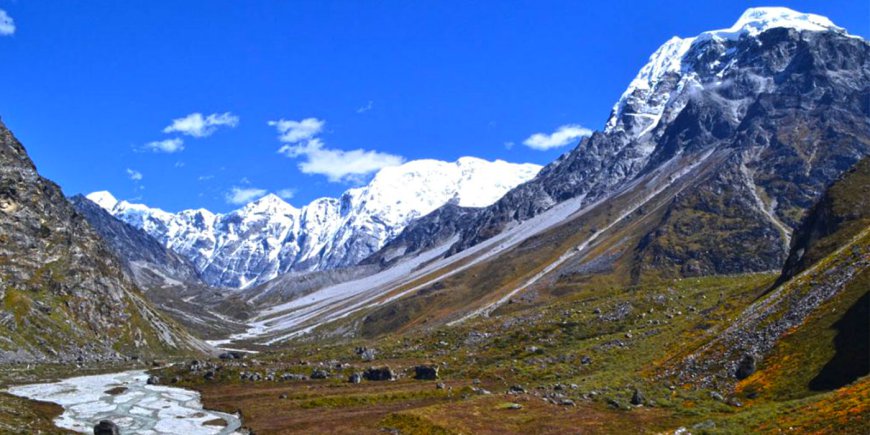
Most people think about safety first when doing the Langtang Valley Trek, solo or with others. Though busy and mostly secure, the path winds through high areas where sudden storms appear without warning. Because of thin air up there, bodies sometimes react in strange ways. Knowing what to expect keeps travelers steady on their feet far from city help. Staying alert matters just as much as good boots when walking those slopes.
Staying on Marked Trails
Staying on the main trail matters most when walking through wilderness spots. Veer off into shortcuts, those hidden paths through trees or across stones, danger waits there. Trails with clear signs guide steps without surprises. Loss becomes less likely when feet follow what's mapped.
Trekking During Daylight
Early light makes paths clearer underfoot. Because shadows hide loose stones, moving after dusk raises danger. Finish hikes while the sun still warms the trail. Morning departures match rhythm with safer hours overhead.
Monitoring Weather Conditions
One moment it’s calm, the next a sharp wind cuts through the valley. When skies shift fast in Langtang Valley, staying aware of updates helps avoid trouble. Rain might fall without warning, just like temperatures may drop at dusk. A solid jacket makes sense, especially when paths turn slick underfoot. Even sunny mornings give way to icy evenings now and then. Safety comes easier with layers packed, ready before storms roll close.
Maintaining Proper Hydration and Nutrition
Water and snacks throughout the day keep your body moving, mind clear. When you skip drinks or fuel, thinking slows, steps drag. Eating at steady times means muscles stay strong, thoughts stay sharp. Missing meals? That haze sets in fast - tired legs, fuzzy choices. Sipping often guards against dizziness, confusion. Full stomach, full attention - it just works that way.
Walking at a Safe Pace
Walking slowly feels more secure than hurrying ahead. Pushing too hard raises chances of harm along with breathing troubles up high. Moving at a steady rate helps your body adapt smoothly as the ground shifts underfoot and air thins overhead.
Communication and group awareness
Close ranks if you trek in numbers - talk often. Going it alone means telling someone your moves each day. Drop a pin now and then so help finds you fast if things go wrong.
Handling Emergencies Calmly
When something goes wrong, keeping your head clear matters more than anything else. Losing control might turn small problems into bigger ones. Looking at what’s happening, then reaching out to guides, people nearby, or staff at tea houses helps find safer ways through.
Bring Key Safety Equipment
A well-stocked first aid kit might save time when small injuries happen out there. Bright light after dark comes from a working flashlight tucked in your bag. Warm layers make cold winds easier to handle during sudden weather shifts. Important phone numbers on paper won’t fail when batteries die. Together, these items form a quiet backbone for safer travel beyond city edges.
Final Thoughts
Starting safe means knowing what lies ahead. When you move through Langtang Valley, staying alert shapes your journey more than strength ever could. One wrong step can change everything - so paying attention matters most. Traveling alone? Your choices carry extra weight. Moving with others? Watch out for each other, not just the path. Simple rules keep trouble away, even when the weather shifts fast. Confidence grows not from ignoring danger but respecting it. Beauty stays breathtaking only if caution comes first.