Mixed Pallets with Tools and Home Appliances: Understanding Outlet Bargain Inventory
Mixed pallets with tools and home appliances offer access to a diverse range of products packaged into a single wholesale shipment. Because inventory may include different brands, product categories, and condition grades, understanding supplier information and pallet classifications is essential before making a purchase.
 andygibson
Introduction
Mixed pallets containing tools and home appliances have become a common inventory source for resellers, discount retailers, repair businesses, and online sellers. These wholesale pallets often combine a wide variety of products into a single shipment, providing businesses with access to inventory from multiple categories rather than a single product line.
Because every pallet is different, buyers may receive a combination of power tools, hand tools, kitchen appliances, cleaning equipment, home improvement products, and household accessories. Understanding how these pallets are assembled and what they may contain helps buyers make more informed purchasing decisions.
What Are Mixed Tool and Home Appliance Pallets?
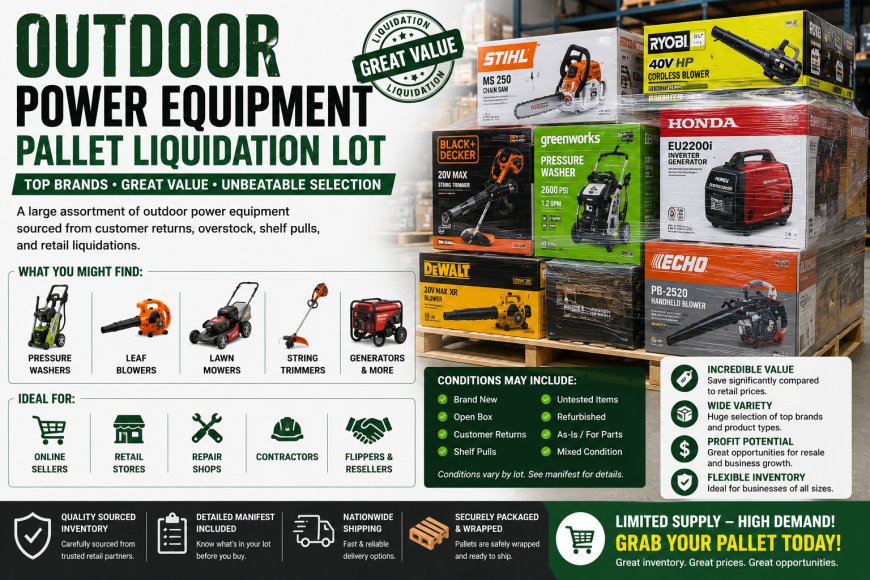
A mixed pallet is a bulk lot that contains products from several categories packaged together on a single shipping pallet. Inventory commonly comes from overstock merchandise, customer returns, shelf pulls, discontinued products, or excess warehouse stock.
Unlike purchasing individual products through traditional wholesale channels, mixed pallets provide a varied assortment of inventory that may appeal to different customer needs and market segments.
What Types of Products Can Be Included?
The contents of every pallet depend on available inventory and the supplier’s sourcing process. While no two shipments are identical, common product categories include:
- Power tools
- Hand tools
- Tool storage equipment
- Pressure washers
- Vacuums
- Kitchen appliances
- Coffee makers
- Blenders
- Air fryers
- Fans and heaters
- Lighting products
- Garden tools
- Home organization items
- Small household appliances
- Hardware and accessories
Some pallets may also contain replacement parts, tool accessories, batteries, extension cords, and other home improvement products.
Understanding Product Conditions
One important aspect of purchasing liquidation inventory is understanding product condition. Mixed pallets can include products in a variety of conditions depending on their source.
Typical condition categories include:
- Brand new
- Like new
- Open-box
- Shelf pulls
- Customer returns
- Refurbished
- Mixed condition
- Untested items
Reviewing the supplier’s grading system helps buyers better understand the expected condition of the inventory before purchase.
Why Inventory Variety Matters
One advantage of mixed pallets is product diversity. Instead of stocking only tools or only home appliances, businesses can receive inventory from multiple categories within a single shipment.
This variety allows retailers to offer products that appeal to homeowners, contractors, DIY enthusiasts, and general consumers. A broader inventory can also help businesses respond to changing customer demand throughout the year.
Organizing Mixed Inventory
Receiving a pallet containing different product categories requires careful organization. Many businesses separate products according to:
- Product type
- Brand
- Condition
- Function
- Retail category
- Testing status
Proper inventory management makes pricing, listing, storage, and order fulfillment more efficient while helping maintain accurate inventory records.
Evaluating a Liquidation Supplier
Before purchasing any mixed pallet, buyers should review the supplier’s documentation carefully. Information such as available manifests, product descriptions, condition grading, estimated retail value, and shipping policies can provide useful insight into the inventory.
Choosing suppliers that clearly explain how inventory is sourced and classified can help buyers better understand what they are purchasing.
Things to Consider Before Buying
Every liquidation pallet carries a degree of variability. Buyers should consider available storage space, product testing requirements, shipping costs, and the time needed to inspect and organize inventory after delivery.
Planning for these factors can make the receiving process more efficient and help businesses manage inventory effectively.
Conclusion
Mixed pallets with tools and home appliances offer access to a diverse range of products packaged into a single wholesale shipment. Because inventory may include different brands, product categories, and condition grades, understanding supplier information and pallet classifications is essential before making a purchase.