Industrial Gas Innovation Is Supporting Latin America’s Manufacturing and Healthcare Expansion
Explore the Latin America Industrial Gases Market, driven by manufacturing growth, healthcare expansion, mining activities, hydrogen development, and industrial modernization across the region through 2032.
 adamwilliamson
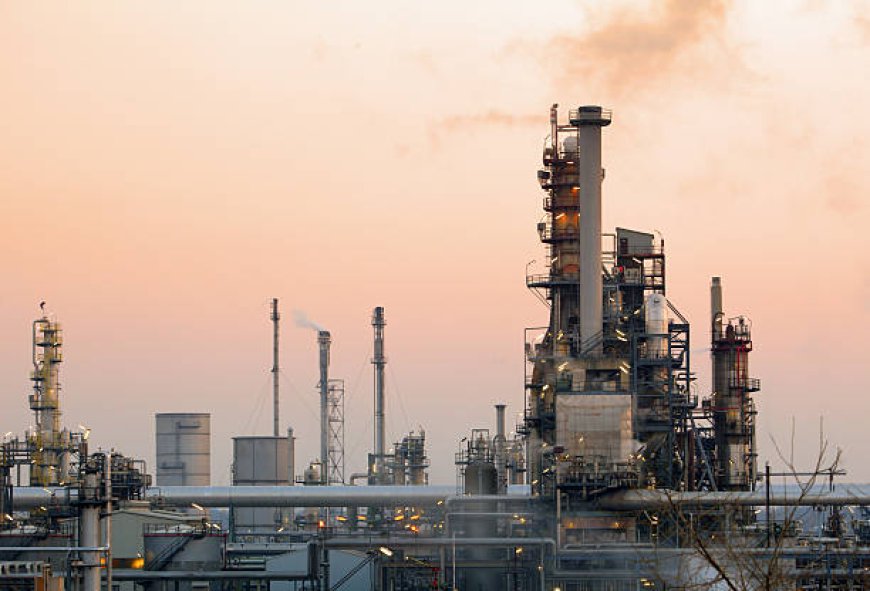
Industrial gases are essential inputs for modern economies, supporting manufacturing, healthcare, food processing, mining, chemicals, electronics, metallurgy, and energy production. Oxygen, nitrogen, hydrogen, argon, carbon dioxide, and specialty gases improve production efficiency, product quality, and operational safety across a wide range of industrial applications. As Latin America continues investing in industrial modernization, healthcare infrastructure, and sustainable energy initiatives, demand for industrial gases is steadily expanding throughout the region.
According to a study published by Vyansa Intelligence, the Latin America Industrial Gases Market was valued at $8.58 Billion in 2025 and is projected to reach $11.73 Billion by 2032, expanding at a CAGR of 4.57% during 2026-2032.
Rising manufacturing activity, expanding healthcare services, growing mining operations, and continued investment in industrial infrastructure are supporting the Latin America Industrial Gases Market growth.
Industrial Gases Are Critical to Modern Production Processes
Industrial gases are used throughout the manufacturing value chain to improve efficiency, process reliability, and product quality. Oxygen supports steelmaking, wastewater treatment, glass production, and healthcare applications. Nitrogen is widely utilized for inerting, food preservation, electronics manufacturing, and pharmaceutical production, while argon is extensively employed in welding and metal fabrication.
Hydrogen continues gaining importance in petroleum refining, fertilizer manufacturing, and emerging clean energy applications. Specialty gases also support laboratory research, semiconductor manufacturing, environmental monitoring, and advanced industrial processing.
These expanding applications continue shaping Latin America Industrial Gases Market trends as industries pursue higher productivity and improved operational performance.
Manufacturing Expansion Continues to Support Demand
Industrial development across Latin America is increasing demand for reliable gas production and distribution infrastructure. Automotive manufacturing, chemicals, food and beverage processing, mining, and metal fabrication all require consistent supplies of industrial gases to maintain production quality and operational efficiency.
The United Nations Industrial Development Organization (UNIDO) continues highlighting the importance of industrial development in strengthening productivity, technological advancement, and sustainable economic growth. As countries across Latin America modernize manufacturing facilities and expand industrial capacity, industrial gas consumption is expected to increase across multiple sectors.
Growing investment in industrial parks, logistics infrastructure, and export-oriented manufacturing further supports long-term demand.
Healthcare Infrastructure Drives Medical Gas Consumption
Medical gases have become indispensable components of modern healthcare systems. Oxygen supports respiratory care, emergency medicine, surgical procedures, and intensive care units, while nitrogen and specialty gases are widely used in laboratory diagnostics, cryogenic preservation, and pharmaceutical manufacturing.
Many Latin American countries continue expanding healthcare infrastructure through investments in hospitals, diagnostic laboratories, and specialized medical facilities. These developments require reliable medical gas production, storage, and distribution systems capable of meeting stringent quality standards.
The World Health Organization (WHO) continues emphasizing access to medical oxygen as an essential element of resilient healthcare systems, particularly for critical care and emergency treatment.
These developments continue strengthening the Latin America Industrial Gases Market forecast by supporting sustained medical gas demand.
Mining Industry Creates Stable Industrial Gas Requirements
Latin America remains one of the world's leading mining regions, producing significant quantities of copper, lithium, iron ore, gold, and other strategic minerals. Industrial gases support numerous mining activities, including metal processing, smelting, welding, mineral extraction, and analytical testing.
Countries such as Chile, Peru, Brazil, and Mexico continue investing in mining operations that require reliable industrial gas supply chains. Expanding mineral processing capacity and modernization of mining facilities are expected to generate additional demand for oxygen, nitrogen, and specialty gases.
As mining technologies become more advanced, gas applications continue expanding across mineral processing operations.
Hydrogen Development Opens New Opportunities
Hydrogen is emerging as an important growth area within Latin America's industrial landscape. Countries across the region are investing in low-emission hydrogen projects supported by abundant renewable energy resources and expanding export opportunities.
The International Energy Agency (IEA) identifies Latin America as a region with significant potential for hydrogen production due to its renewable electricity resources and growing industrial capabilities. Hydrogen development is expected to create new opportunities for industrial gas producers through investments in production facilities, storage infrastructure, and transportation networks.
This transition toward cleaner energy systems is broadening the long-term application landscape for industrial gases.
Technology Improves Production Efficiency
Industrial gas producers continue investing in advanced air separation units, cryogenic technologies, digital monitoring systems, automated production facilities, and intelligent distribution networks. Smart manufacturing technologies improve operational efficiency, optimize energy consumption, and strengthen production reliability.
Remote monitoring and predictive maintenance technologies enable producers to improve equipment performance while reducing downtime and maintenance costs. Advanced process automation also enhances production consistency and supply reliability for industrial customers across diverse sectors.
These innovations strengthen competitiveness while supporting sustainable industrial development.
Competitive Landscape
Competition within the industry focuses on production capacity, gas purity, supply reliability, distribution infrastructure, energy efficiency, and customer support. Companies continue investing in new production facilities, pipeline infrastructure, cryogenic transportation systems, and on-site gas generation technologies to meet evolving industrial requirements.
Strategic partnerships with manufacturers, healthcare providers, mining companies, and energy producers continue supporting long-term business expansion across Latin America.
Future Direction
Future development will be shaped by industrial modernization, hydrogen economy initiatives, healthcare expansion, digital manufacturing, mining investment, and sustainable industrial production. Continued investment in clean energy, advanced manufacturing technologies, and industrial infrastructure will further diversify demand for industrial gases across the region.
As Latin America strengthens its industrial competitiveness and expands high-value manufacturing activities, industrial gases will remain essential to productivity, innovation, and sustainable economic development. These developments position the Latin America Industrial Gases Market for steady long-term expansion.
Conclusion
Industrial gases continue to play a vital role in supporting Latin America's manufacturing, healthcare, mining, food processing, and energy sectors. Ongoing industrial modernization, healthcare investment, hydrogen development, and digital production technologies are strengthening long-term demand across the region. As industries continue evolving toward greater efficiency and sustainability, industrial gases will remain fundamental to technological progress and industrial transformation.