Hard Water & Leaking Taps: How Limescale Damages Your Fixtures
Hard water and limescale silently destroy your taps and fixtures. Learn how limescale causes leaks and when to call for leaky faucet repair.
 abplumbingheating
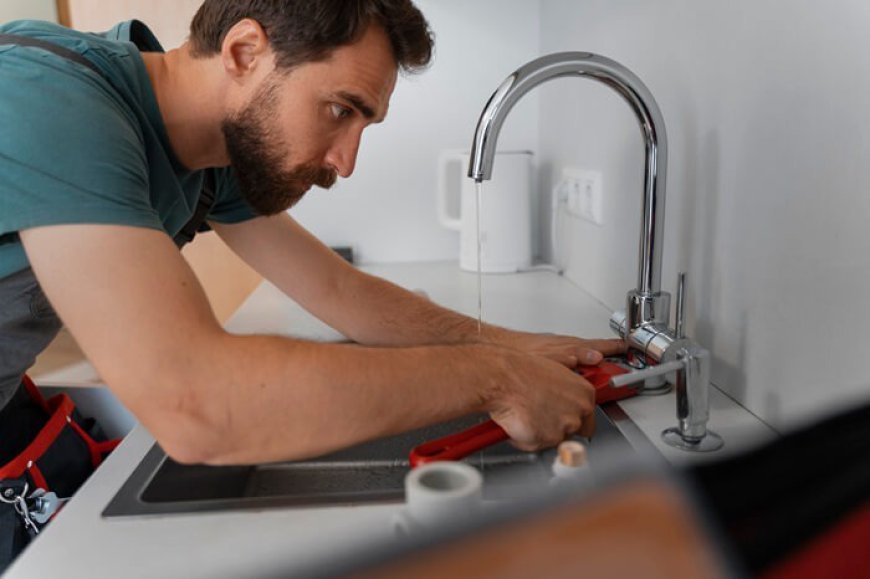
If you live in a hard water area, you've likely spotted the telltale white crust around your taps, showerheads, and sink edges. What many homeowners don't realise is that this harmless-looking residue known as limescale is quietly working against the integrity of your plumbing. Over time, limescale buildup can cause persistent drips, seal failure, and costly water damage that goes far beyond a simple aesthetic inconvenience.
In this article, we explore the relationship between hard water and leaking taps, how limescale forms inside your fixtures, and what you can do to protect your home's plumbing. Whether you're already dealing with a drip or want to prevent future damage, understanding the root cause is the first step toward an effective solution.
What Is Hard Water and Why Does It Matter?
Hard water contains high concentrations of dissolved minerals primarily calcium and magnesium that are picked up as groundwater passes through chalk and limestone rock formations. According to UK water quality data, over 60% of England is supplied with hard or very hard water, making this a widespread concern for homeowners across the country.
When hard water is heated or left to evaporate on surfaces, those dissolved minerals are left behind as a chalky white deposit: limescale. While soft water areas rarely encounter this problem, households in regions like London, the South East, and the East Midlands deal with significant limescale accumulation on a daily basis.
How Limescale Damages Taps and Fixtures
Limescale doesn't just look unsightly — it causes real, structural damage to your plumbing fixtures over time. Here's how the process unfolds:
1. Degradation of Rubber Washers and O-Rings
The most common cause of a dripping tap is a worn or damaged washer. When limescale deposits build up around internal valve components, they create friction and uneven pressure on rubber washers and O-rings. The abrasive mineral surface accelerates wear, causing these components to crack, harden, and ultimately fail leading to that persistent drip that becomes impossible to ignore.
2. Restricted Water Flow and Pressure Imbalance
As limescale narrows the internal passages of taps, aerators, and valves, water flow becomes restricted. This creates a pressure imbalance within the fixture. Increased internal pressure forces water past seals that would otherwise hold firm, contributing to slow leaks that can worsen significantly if left unaddressed.
3. Corrosion of Metal Components
While limescale itself isn't acidic, the environment it creates can trap moisture and encourage galvanic corrosion particularly in fixtures that combine different metals. Corroded valve seats and cartridge components lose their precision fit, allowing water to seep through and creating the conditions for a full leak.
4. Cartridge and Ceramic Disc Failure
Modern mixer taps and monobloc fittings often use ceramic disc cartridges rather than traditional washers. While these are highly durable under normal conditions, limescale deposits can infiltrate the cartridge housing, grinding against the ceramic surfaces and causing microscopic fractures. Once a ceramic disc is compromised, the tap will begin to drip continuously and a cartridge replacement becomes necessary.
Signs That Limescale May Be Causing Your Tap to Leak
Not every leaking tap is caused by hard water, but there are tell-tale signs that limescale is the underlying culprit:
-
Visible white or yellowish crust around the tap base, spout, or handle
-
Reduced water flow or a spray pattern that is uneven or spluttering
-
A tap that requires increasing force to turn off fully
-
Dripping that persists even after replacing the washer
-
Staining or chalky residue on adjacent tiles and surfaces
If you recognise any of these signs, it's worth having a professional assess your fixtures before the problem escalates into a more serious — and expensive — plumbing issue.
Leaky Faucet Repair: What's Involved?
When limescale has taken hold, basic leaky faucet repair requires more than just swapping out a washer. A qualified plumber will typically follow a systematic approach to properly diagnose and fix the issue:
-
Descaling and inspection: Removing the tap head and cartridge to assess the extent of limescale buildup and mineral corrosion.
-
Component replacement: Fitting new washers, O-rings, or cartridges as appropriate — using components compatible with hard water conditions.
-
Valve seat resurfacing: If the valve seat has been damaged by mineral deposits, it may need to be reground or replaced entirely.
-
Aerator cleaning: Soaking the aerator in a descaling solution to restore full water flow and pressure.
For households in hard water areas, leaking tap repair isn't always a once-and-done job. Without addressing the underlying water quality issue, the same problems are likely to recur. Preventive measures, discussed below, can significantly extend the life of your repaired fixtures.
Preventing Limescale Damage to Your Plumbing Fixtures
The best approach to limescale is to tackle it before it becomes a problem. Here are some practical strategies for homeowners in hard water areas:
Install a Water Softener
A whole-house water softener is the most comprehensive solution to hard water. Ion exchange softeners remove calcium and magnesium from the water supply before it reaches your fixtures, virtually eliminating limescale formation throughout your home. While the upfront installation cost is significant, the long-term savings on plumbing repairs and appliance maintenance can be considerable.
Use Limescale Inhibitors
Inline limescale inhibitors are a more affordable alternative. These devices are fitted to the incoming water supply and work by altering the crystalline structure of calcium carbonate so it doesn't adhere to surfaces as readily. While not as effective as full softening systems, they offer a good middle ground for smaller budgets.
Regular Descaling and Maintenance
Wiping down taps and showerheads with a diluted white vinegar solution on a weekly basis can prevent light limescale from bonding permanently to surfaces. For heavier buildup, commercial descaling products can be applied to soak away deposits. Regular professional maintenance — including inspecting washers and cartridges annually can catch early signs of limescale damage before a full leaking tap repair becomes necessary.
Choose Fixtures Designed for Hard Water
When replacing taps or showerheads, look for products that are specifically rated for hard water use. Some modern fixtures feature easy-clean silicone nozzles, limescale-resistant coatings, and sealed ceramic cartridges that are more resilient to mineral buildup. This small upgrade at the point of purchase can save you significantly in future plumbing repair costs.
When to Call a Professional Plumber
Some leaks are straightforward enough for a confident DIY approach — replacing an aerator or tightening a loose connection, for instance. However, when limescale damage is suspected to have affected cartridges, valve seats, or internal pipework, it's wise to bring in a qualified plumber. Attempting to remove heavy limescale deposits without the right tools can cause additional damage to vulnerable components, turning a minor repair into a full fixture replacement.
A professional plumber can also evaluate whether your overall water hardness level warrants a longer-term solution, such as fitting a water softener or upgrading your pipework. Getting this advice early can prevent a cycle of repeated repairs and the frustration of recurrent drips.
Conclusion: Don't Let Limescale Win
Hard water is one of the most underestimated threats to the longevity of your home's plumbing fixtures. From eroding rubber washers to cracking ceramic cartridges, limescale works slowly but relentlessly and the cost of ignoring it tends to compound over time. Understanding how limescale causes leaks puts you in a far better position to protect your fixtures, act quickly when problems arise, and make smart decisions about prevention.
Whether you need immediate leaking tap repair or want to safeguard your plumbing before problems develop, the team at AB Plumbing & Heating is ready to help. With expertise in hard water plumbing issues, fixture repair, and limescale prevention, we provide reliable, professional service when you need it most. Visit us at www.abplumbingheating247.co.uk to learn more or to book an appointment.