Main Sewer Line Clog Repair Cost in Pennsylvania
What Pennsylvania homeowners should expect to pay for main sewer line clog repair, plus when sewage line replacement becomes the better option.
 tricounty011
Main Sewer Line Clog Repair Cost: What Pennsylvania Homeowners Should Expect
Clearing a main sewer line clog in Pennsylvania typically costs between $150 and $600 for a straightforward snake or rooter job, with hydro jetting and camera inspections adding to that range. Costs climb from there if the clog is caused by a structural problem like a collapsed or root-damaged pipe, since that shifts the job from a simple repair to a sewage line replacement. Here's what affects the price, what the repair process looks like, and how to tell whether you're facing a quick fix or a bigger project.
What Causes a Main Sewer Line Clog?
Most main line clogs in Pennsylvania homes trace back to a handful of common culprits:
• Tree roots infiltrating aging clay or cast iron pipe joints
• Grease, wipes, and other debris building up over years of use
• Pipe bellies where sections have sagged and trap waste
• Age-related pipe deterioration, especially in homes built before the 1980s
• Ground shifting or freeze-thaw cycles common across Pennsylvania winters
A camera inspection is usually the fastest way to confirm which of these is behind a recurring clog.
What Affects Main Sewer Line Clog Repair Cost?
Several factors determine where your bill lands within the typical range:
• Clog location and depth, since deeper or farther-out clogs take more time and equipment
• Method used, whether a standard snake, motorized rooter, or hydro jetting
• Access point, since a cleanout makes the job faster than needing to dig or access through a fixture
• Whether a camera inspection is needed to locate and confirm the clog
• Any additional damage discovered once the line is cleared
How the Repair Process Works
A typical service call starts with a camera inspection to pinpoint the clog's location and cause. From there, a plumber usually starts with mechanical rooting or a sewer snake for straightforward blockages, moving to hydro jetting for grease buildup or stubborn debris that a snake can't fully clear. Once the line is open, a follow-up camera pass confirms the pipe is clear and checks for any cracks, bellies, or root intrusion that could cause the clog to return.
When Repair Isn't Enough: Sewage Line Replacement
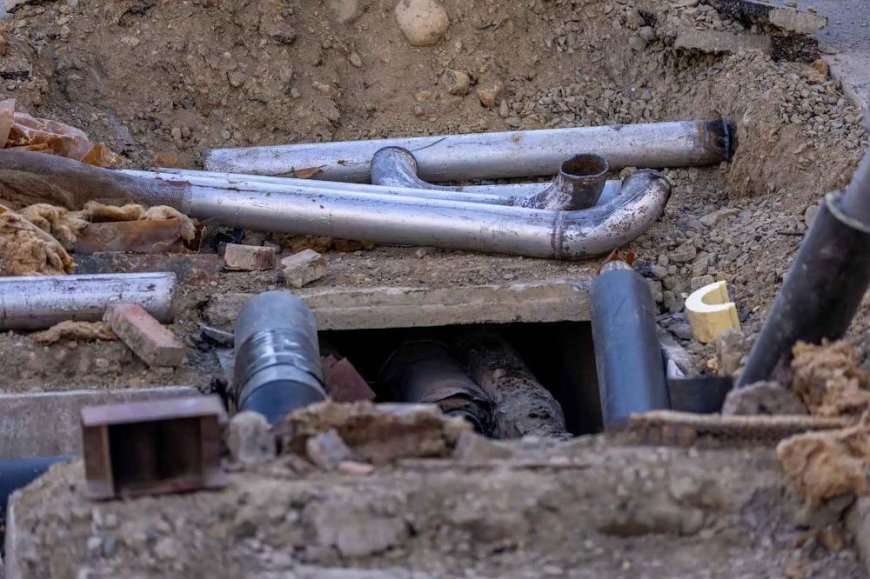
Sometimes a clog is a symptom of a bigger problem rather than the problem itself. If the camera inspection shows a collapsed section, significant root damage, or a pipe that's simply reached the end of its usable life, sewage line replacement becomes the more cost-effective long-term option rather than repeatedly clearing the same clog. Pennsylvania homeowners typically have two paths: traditional dig-and-replace, which involves excavating the damaged section, or trenchless replacement, which pulls a new pipe through the old one with minimal digging. Trenchless methods often cost less in landscaping and driveway repair even when the pipe work itself is comparable, which makes them worth asking about before committing to a full traditional dig.
Ready for a Sewer Line Inspection?
Whether you're dealing with a one-time clog or suspect it's time for sewage line replacement, Tri-County Water Services can inspect your line and give you a clear, honest recommendation before any work begins. Reach out to schedule a camera inspection and get an accurate cost estimate for your home.
Read More: Main Sewer Line Clog Repair Cost: What Pennsylvania Homeowners Should Expect
Frequently Asked Questions
Q: How much does it cost to clear a main sewer line clog in Pennsylvania?
A: A standard main line clog clearing typically runs $150 to $600, depending on the method used and how accessible the clog is. Hydro jetting or a camera inspection can add to that cost, especially for stubborn or recurring blockages.
Q: What causes a main sewer line clog?
A: The most common causes are tree root intrusion, grease and debris buildup, sagging pipe sections, and general pipe aging. A camera inspection is the most reliable way to identify the specific cause in your home.
Q: How do I know if I need a repair or a full sewage line replacement?
A: If a camera inspection shows a collapsed pipe, significant root damage, or repeated clogs in the same spot, replacement is usually more cost-effective than ongoing repairs. A plumber can walk you through the inspection footage so you can see the condition of the pipe yourself.
Q: Is trenchless sewer line replacement cheaper than traditional replacement?
A: Trenchless replacement often costs less overall once you factor in landscaping, driveway, or walkway repair, even when the direct pipework is similar in price to traditional excavation. Your plumber can compare both options based on your yard and pipe layout.
Q: Does homeowners insurance cover sewer line repair or replacement?
A: Coverage varies by policy and is often excluded unless you've added a service line endorsement. It's worth checking with your insurance provider before assuming a repair or replacement will be covered.
Q: How long does sewage line replacement take?
A: Trenchless replacement can often be completed in a single day, while traditional dig-and-replace projects may take two to three days depending on the length of the run and any landscaping restoration needed afterward.