The Most Staged Rooms in Homes and Why They Matter to Buyers
Learn how staged rooms in homes help buyers see comfort, space, and value through thoughtful furniture, decor, and room presentation.
 hrdecorstaging
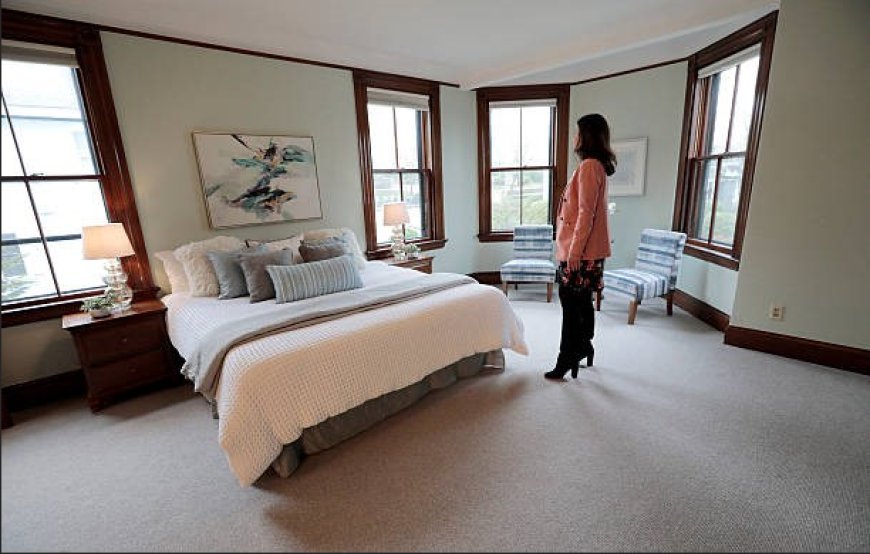
Selling a home is not only about location, price, or square footage. Buyers also respond to how a property feels when they walk through the door. Clean, balanced, and welcoming spaces can help them picture a comfortable lifestyle before they make a decision. That is where staged rooms in homes can make a real difference.
Good staging helps reduce distractions, highlight useful features, and create a stronger emotional connection. It also makes each area easier to understand in photos and during showings, helping buyers remember the property after viewing several homes.
Key Takeaways
-
Staged rooms in homes help buyers understand space and layout.
-
Clean, simple staging can improve first impressions.
-
Buyers often respond to rooms that feel useful and welcoming.
-
Staging can support stronger listing photos.
-
Small updates can make a room feel more move-in ready.
While every part of a home contributes to the overall impression, buyers naturally spend more time evaluating certain spaces than others. These key rooms often shape first impressions, influence perceived value, and help buyers imagine themselves living in the home. Focusing your staging efforts here can make the property feel more functional, better maintained, and easier to remember after a showing.
Staged Rooms in Homes and Why They Matter to Buyers
-
Living Room
The living room is one of the most important staged rooms in homes because it often sets the tone for the entire property. Buyers want to see a space that feels comfortable, open, and easy to imagine using every day. A staged living room can help define traffic flow, show proper furniture scale, and make the home feel more inviting from the first few minutes of a showing.
Points to Include
-
Use neutral furniture and balanced decor.
-
Arrange seating to encourage conversation while maintaining clear walkways.
-
Highlight natural light, fireplaces, built-ins, or views.
-
Avoid overcrowding the room with oversized furniture.
-
Add soft textures through pillows, rugs, and throws.
Why It Matters to Buyers
The living room is often where buyers spend the most time during a showing because it reflects how the home functions for everyday life. A well-staged layout makes the room feel larger, improves the flow between spaces, and helps buyers understand where furniture can comfortably fit. When the room feels bright and balanced, buyers are less likely to focus on its size or minor imperfections and more likely to picture themselves enjoying the space.
-
Kitchen
The kitchen is a major selling point, even if it is not newly renovated. Buyers pay close attention to counters, cabinets, storage, lighting, and cleanliness. Staging a kitchen helps it feel organized, fresh, and functional. For sellers doing renovation planning, the kitchen is often worth reviewing first because small updates can make a strong impression.
Points to Include
-
Clear most countertop clutter.
-
Add simple items like a fruit bowl, fresh towels, or a vase.
-
Deep clean appliances, sinks, backsplash, and cabinet fronts.
-
Use lighting to make the space feel bright.
-
Show off storage by keeping cabinets and pantry areas tidy.
Why It Matters to Buyers
The kitchen often influences whether buyers feel a home is move-in ready or likely to require future work. An organized, spotless kitchen suggests the property has been maintained over time and gives buyers greater confidence in the home's overall condition.
Even without major upgrades, thoughtful staging highlights workspace, storage, and functionality while reducing attention on cosmetic flaws. During renovation planning, sellers often find that improving the kitchen's presentation delivers a stronger return than expected, even without a full remodel.
-
Primary Bedroom
The primary bedroom should feel peaceful, spacious, and private. Buyers want to imagine this room as a retreat from busy routines. Staging can help create a relaxing mood while also showing that the room can comfortably fit essential furniture. Among staged rooms in homes, the primary bedroom often creates a strong emotional connection.
Points to Include
-
Use clean bedding in soft, neutral colors.
-
Position the bed as the focal point.
-
Add matching nightstands or lamps when possible.
-
Keep closets organized and not overfilled.
-
Remove personal items, laundry, and excess furniture.
Why It Matters to Buyers
Buyers want the primary bedroom to feel comfortable, functional, and large enough for everyday living. Proper staging demonstrates how the room accommodates essential furniture while still providing space to move around. An uncluttered bedroom also makes storage appear more generous and helps buyers focus on the room's size, windows, and natural light instead of personal belongings or unnecessary furniture.
-
Bathrooms
Bathrooms may be smaller, but they have a strong impact on buyer confidence. A bathroom that feels clean, bright, and updated can make the entire home feel better maintained. Staging should focus on freshness rather than heavy decor. If fixtures are damaged or the space feels outdated, a bathroom renovation may help improve buyer trust.
Points to Include
-
Use fresh towels, clean mirrors, and polished fixtures.
-
Remove personal toiletries and cleaning products.
-
Add simple touches like a plant, candle, or soap dispenser.
-
Make sure grout, caulk, and glass are spotless.
-
Keep colors light and calming.
Why It Matters to Buyers
Bathrooms are often viewed as indicators of how well a home has been maintained. Clean fixtures, fresh finishes, and organized surfaces reassure buyers that routine maintenance has not been neglected.
Because bathroom renovation projects can require significant time and expense, a bathroom that feels clean and cared for helps reduce concerns about immediate repairs and increases confidence in the property's overall condition.
-
Dining Room
Dining rooms are staged to help buyers picture holidays, dinners, and gatherings. In some homes, the dining area may be small or part of an open floor plan, so staging helps clearly define the space. Design consulting can be helpful when sellers are unsure how to arrange furniture in an open-concept layout.
Points to Include
-
Use a properly sized dining table.
-
Keep place settings simple and tasteful.
-
Add a centerpiece that does not block sight lines.
-
Highlight nearby windows, lighting, or architectural details.
-
Avoid making the room feel overly formal or unused.
Why It Matters to Buyers
Many buyers struggle to visualize the purpose of an empty dining area, especially in open-concept homes. Staging clearly defines the space and demonstrates that it can comfortably accommodate everyday meals, family gatherings, or entertaining guests.
A well-planned layout also improves the flow between adjoining living areas, making the entire floor plan feel more intentional and functional. When needed, design consulting can help create a layout that maximizes both appearance and usability.
-
Home Office
Home offices have become much more important to buyers. Even a small nook, spare bedroom, or loft area can be staged as a practical workspace. This helps buyers understand how the home can adapt to changing lifestyles and modern work needs. In a condo renovation, creating a smart office zone can make limited square footage feel more useful and modern.
Points to Include
-
Use a clean desk and a comfortable chair.
-
Keep cords and paperwork hidden.
-
Add shelves, task lighting, or minimal decor.
-
Choose a quiet area with good natural light when possible.
-
Avoid making the room feel cramped.
Why It Matters to Buyers
Flexible living spaces have become increasingly important, and buyers often look for areas that can adapt to changing needs. A staged home office shows that the property can comfortably support remote work, studying, or managing household responsibilities without sacrificing other living areas. For smaller properties or a condo renovation, demonstrating a practical workspace can make limited square footage feel more efficient and valuable.
Conclusion
A well-presented home helps buyers feel more confident, comfortable, and interested. When rooms are clean, organized, and thoughtfully arranged, the property becomes easier to imagine as a future home. Staged rooms in homes are not about making every space look perfect or expensive. They are about showing purpose, comfort, and possibility.
Even simple changes like better lighting, less clutter, fresh textiles, and proper furniture placement can improve the way buyers experience a home.
Buyers often decide how they feel about a home long before they analyze every detail. Thoughtful staging helps each space communicate its purpose, highlights the home's strengths, and creates an experience that buyers are more likely to remember when it comes time to make an offer.
FAQs
How early should I start staging before listing a home?
Ideally, begin staging two to four weeks before listing the home. This provides enough time to declutter, complete minor repairs, deep clean each room, arrange furniture, and schedule professional listing photos.
Do all rooms need to be staged?
Not always. Focus first on the rooms buyers care about most, such as the living room, kitchen, primary bedroom, bathrooms, and main entry areas.
Can staging help an empty home sell better?
Yes. Empty rooms can feel cold or hard to judge in size. Staging helps buyers understand scale, furniture placement, and how the space can be used.
Is professional staging always necessary?
No. Many sellers can stage effectively with simple changes. Professional help is useful when the layout is awkward, furniture is outdated, or the home needs a stronger visual appeal.
What should be removed before staging?
Remove personal photos, excess furniture, visible clutter, overly bold decor choices, worn linens, and anything that makes rooms feel smaller or overly personal.