Why Are Companies Choosing Immersive Digital Experiences in 2026?
Learn why companies are choosing immersive digital experiences to improve engagement, enhance user interaction, and drive consistent, measurable business growth.
 ryanxwilson
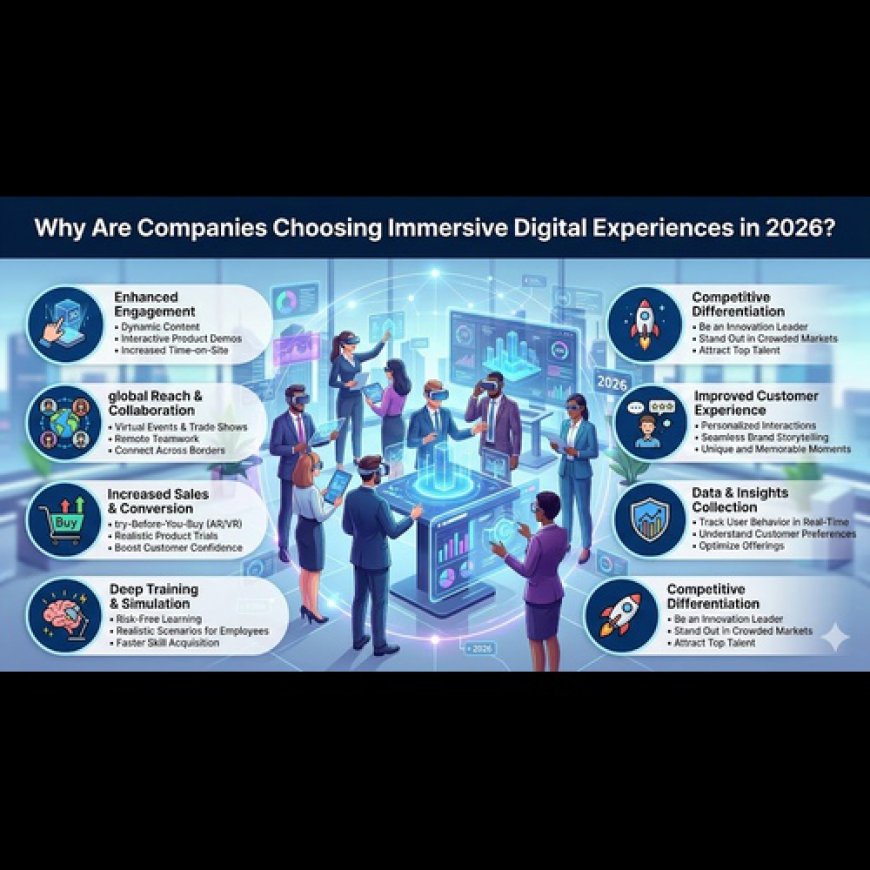
In 2026, businesses have transformed their interactions with their audiences. Traditional digital touchpoints, such as static websites and basic mobile apps, are no longer enough. One-dimensional content fails to grab attention. Users today expect something more engaging, interactive, and meaningful.
Companies now view immersive digital experiences as a crucial component of their strategy. These experiences are more than interactions. They let users explore, engage, and connect with brands in a lively way.
Why are companies making more frequent choices for immersive digital experiences in 2026? Let’s explore the key reasons driving this transformation.
What Are Immersive Digital Experiences?
Immersive digital experiences are interactive settings. They allow users to engage with content instead of consuming it. These experiences mix advanced technology and creative design. This combination leads to more engaging interactions.
They can include:
- Interactive 3D environments
- Virtual product demonstrations
- Augmented features in mobile apps
- Gamified user journeys
- Digital simulations and virtual spaces
The main goal is to engage users. We want them to feel present and in control of the experience.
1. Changing User Expectations
Companies are shifting to immersive experiences. User expectations are changing at a fast pace.
Modern users:
- Prefer interactive over static content
- Expect personalized experiences
- Have shorter attention spans
- Value convenience and engagement
A simple webpage or app interface is no longer enough to hold attention. Users want to explore, interact, and feel connected.
Immersive experiences meet these goals. They create richer, more engaging digital spaces that keep users interested longer.
2. Increased Engagement and Retention
Immersive experiences boost engagement by their inherent qualities, as they do:
- Encourage exploration
- Provide interactive elements
- Offer visually appealing environments
Users spend more time engaging with the content, which boosts retention rates.
Key impact:
- Higher session durations
- Lower bounce rates
- Increased repeat visits
This makes immersive platforms a powerful tool for long-term customer engagement.
3. More Meaningful Customer Experiences
Customer experience has become a major differentiator in today’s competitive market. Businesses now compete not only on products or prices, but also on the experience they offer.
Immersive digital environments allow companies to:
- Deliver personalized journeys
- Offer real-time interactions
- Create emotional connections with users
A user can explore a product in a virtual setting. They can interact with its features and gain a clearer understanding of its value.
This leads to a more satisfying and memorable experience.
4. Better Product Understanding
A big challenge in digital commerce is helping customers understand a product. They need to know what they are buying before they make a buy.
Immersive experiences solve this problem by providing:
- Detailed visualizations
- Interactive demonstrations
- Realistic simulations
This reduces confusion and builds confidence in the buying process.
Benefits include:
- Fewer returns
- Higher customer satisfaction
- Increased trust in the brand
Retail, real estate, education, and healthcare are experiencing significant benefits from this approach.
5. Stronger Brand Positioning
In a crowded digital space, standing out is essential. Companies that adopt immersive experiences position themselves as innovative and forward-thinking.
This helps in:
- Building a modern brand image
- Attracting tech-savvy audiences
- Gaining a competitive advantage
Users connect the brand with innovation and quality in advanced digital spaces.
Over time, this strengthens brand identity and loyalty.
6. Higher Conversion Rates
Conversions are the ultimate goal of most digital strategies. Businesses want users to take action. This could mean making a buy, signing up, or engaging with content.
Immersive experiences improve conversion rates by:
- Providing better product clarity
- Reducing decision-making friction
- Creating a seamless user journey
When users feel confident and engaged, they are more likely to convert.
Common results:
- Increased sales
- Higher sign-up rates
- Improved lead generation
7. Integration of Advanced Technologies
The rise of immersive experiences has a strong connection to advancements in technology. By 2026, tools and platforms will be easier to access. This will help businesses adopt these solutions with greater efficiency.
Key technologies driving this trend include:
- Artificial intelligence for personalization
- 3D design and rendering tools
- Real-time interaction systems
- Cloud-based infrastructure
These technologies help companies build scalable and efficient immersive environments. They do this without adding too much complexity.
8. Data-Driven Insights and Analytics
A key benefit of immersive platforms is their ability to gather detailed user data.
Unlike traditional websites, immersive environments provide deeper insights into user behavior, such as:
- How users navigate through experiences
- Which elements attract the most attention
- Where users drop off
This data helps businesses:
- Optimize user journeys
- Improve design and functionality
- Make informed strategic decisions
The result is a more refined and effective digital experience over time.
9. Opportunities for Innovation and Creativity
Immersive digital experiences offer endless opportunities for creativity. Businesses aren't sticking to traditional formats anymore. They can try out new ideas and approaches.
Some examples include:
- Interactive storytelling experiences
- Virtual product launches
- Gamified marketing campaigns
- Digital events and exhibitions
This flexibility allows brands to keep their content fresh, engaging, and relevant.
Innovation not only attracts new users but also keeps existing audiences interested.
Key Benefits at a Glance
Here’s a quick summary of why companies are choosing immersive digital experiences:
- Higher user engagement and retention
- Improved customer experience
- Better product understanding
- Stronger brand differentiation
- Increased conversion rates
- Access to detailed user insights
- Greater scope for innovation
- Alignment with modern technology trends
Challenges Companies Should Consider
While the benefits are clear, adopting immersive experiences also comes with certain challenges:
1. Initial Investment
Developing immersive platforms may incur higher upfront costs compared to traditional solutions.
2. Technical Expertise
Businesses need skilled professionals to design, develop, and maintain these environments.
3. Continuous Optimization
Immersive experiences must have regular updates to stay relevant and effective.
4. Device Compatibility
Ensuring a smooth experience across devices can be complex.
With proper planning and a general strategy, these challenges can be handled more effectively.
A clear, structured approach helps businesses manage complexities and achieve better outcomes.
The Future of Digital Interaction
Immersive experiences are here to stay. They show us the future of digital interaction.
As technology continues to evolve, we can expect:
- More realistic and interactive environments
- Greater personalization through AI
- Wider adoption across industries
- Improved accessibility for users
Early adopters of these changes will be better prepared to adapt and grow over time.
Final Thoughts
In 2026, companies are opting for immersive digital experiences. These experiences connect better with users. These experiences move past traditional methods. They offer deeper engagement, better understanding, and stronger relationships.
Businesses can build valuable digital spaces. They should focus on innovation. Meeting user needs is key. Using data-driven strategies helps, too.
Successful companies will go beyond static interactions. They will embrace a more immersive and interactive future.