

Museum Design: How to Create Galleries Visitors Remember
Discover how thoughtful museum design can transform galleries into memorable visitor experiences. Learn how storytelling, interactive exhibits, immersive technology, spatial design, and digital experiences can help museums engage visitors and make exhibitions more meaningful.
Museum Design: How to Create Galleries Visitors Remember
Industry Insights & Best Practices | Modern Cultural & Experiential Technology
When you walk into a cultural hall today, the days of staring blankly at silent glass cabinets are quickly fading behind us. Modern visitors do not just want to observe history from a distance; they want to step into it, feel the atmosphere, and comprehend complex stories on a personal level. Integrating immersive tech into cultural venues has completely altered how curators build narrative spaces, where forward-thinking creative technology studios like ViitorX help institutions rethink public storytelling from the ground up. Crafting an exhibition that stays in people's memories requires balancing spatial psychology, architectural storytelling, and digital interfaces into a coherent public journey.
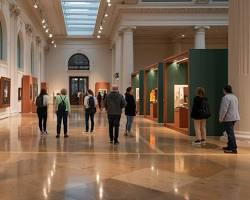
The Modern Philosophy of Gallery Design
In 2026, curatorial teams are moving away from passive viewing formats. Modern gallery design treats space not as a warehouse for artifacts, but as a dynamic storytelling medium that adapts to the visitor's pace.
When someone enters an exhibition hall, their brain processes visual hierarchy, lighting contrast, and acoustic presence almost instantly. If a gallery feels cluttered or monotonous, fatigue sets in within twenty minutes—a phenomenon well-known in curatorial circles as "museum fatigue." Modern layouts combat this by varying ceiling heights, introducing sudden focal shifts, and alternating high-stimulation interactive spots with quiet, reflective alcoves.
Key Principles in Museum Exhibition Design
Effective museum exhibition design requires balancing curatorial preservation with engaging storytelling. Curators and designers focus on several core pillars to construct functional, narrative spaces:
· Spatial Rhythm and Pacing: Avoiding rigid, forced paths in favor of natural pathways where visitors explore at their own rhythm, paired with strategically placed low-sensory rest points so attendees do not burn out midway through the gallery.
· Layered Information Architecture: Providing brief headlines offering quick context for casual browsers, backed by second-tier signage for dedicated enthusiasts, and interactive spatial displays for visitors wanting exhaustive research.
· Responsive Environmental Lighting: Shielding sensitive artifacts using cold, low-lux LEDs while dramatically highlighting centerpieces with subtle accent framing to draw the eye naturally.
Transforming Spaces with Museum Experience Design
Technology should never feel tacked on like an afterthought. In modern museum experience design, digital installations work best when they dissolve naturally into the physical environment.
1. Architectural Projection Mapping and Spatial Sound
Instead of walling off historical relics with ropes, curators project high-resolution reconstructions onto adjacent walls or textured physical models. Directional audio speakers direct sound solely to the person standing directly in front of the display, allowing multiple stories to be told in one room without sound bleed.
2. Gesture-Driven Discovery
Physical touchscreens can create maintenance hassles and hygiene concerns in crowded public halls. Modern galleries are adopting depth sensors and computer-vision cameras that read visitor hand movements, allowing audiences to rotate fragile 3D digital artifacts in mid-air without touching a single pane of protective glass.
3. Ambient Telemetry and Flow Optimization
Modern museum operations leverage non-intrusive thermal and optical sensors to monitor crowd densities and dwell times. This spatial data helps curatorial teams understand which installations hold attention and where bottlenecks form, making post-launch layout tweaks simple and data-driven.
Comparing Conventional Displays with Immersive Spatial Systems
Looking at traditional display cases alongside modern spatial solutions shows how the visitor experience has fundamentally changed:
· Presentation Medium: Conventional approaches rely on static print panels and sealed glass vitrines, whereas immersive systems utilize reactive projection surfaces, dynamic lighting cues, and holographic assets.
· Audience Role: Visitors shift from passive spectators standing behind stanchions to active participants shaping their own discovery path through sensory interactions.
· Information Retention: Skimming text cards often leads to rapid memory fade, while multisensory engagement forms strong, long-lasting mental impressions and emotional connections.
· Exhibition Adaptability: Traditional builds require significant physical labor and material waste to update, whereas software-driven narrative themes can be refreshed for new exhibits with minimal physical teardown.
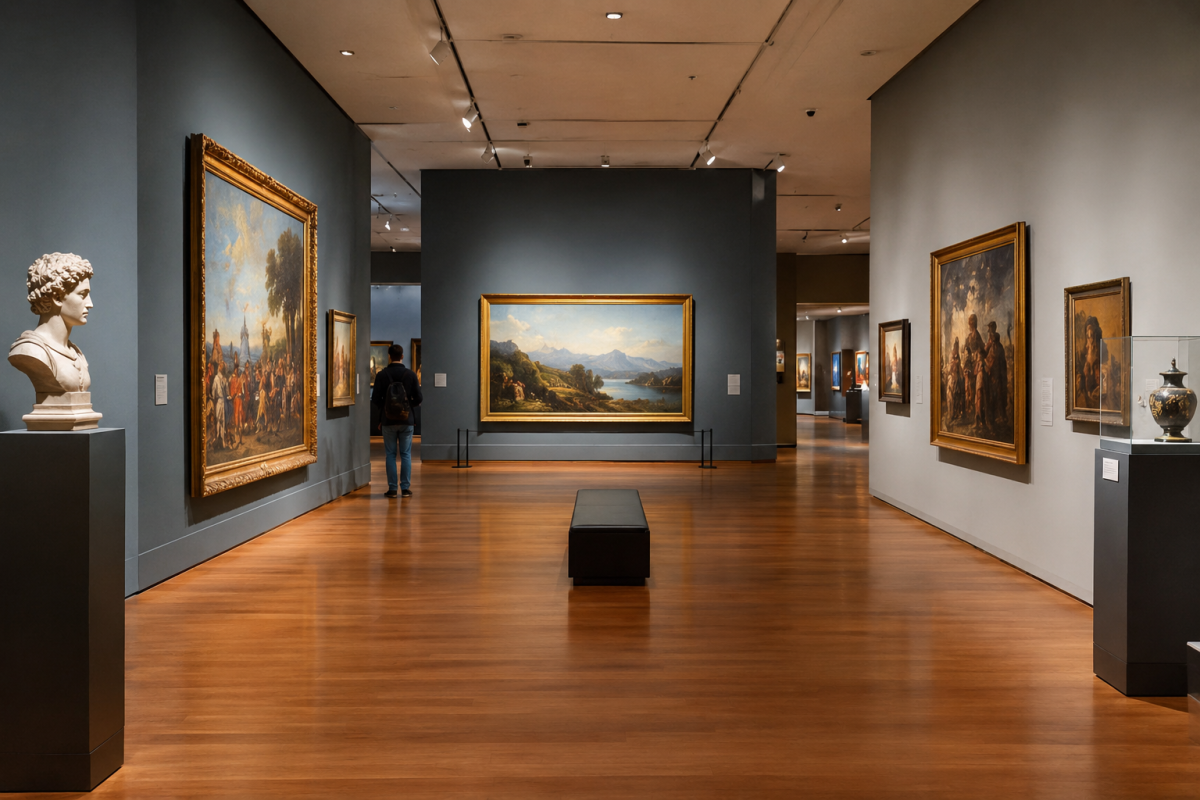
Practical Checklist for Designing Memorable Public Galleries
When launching a new cultural installation, designers should run through a few critical checks to make sure the space delivers both educational and practical value:
Define the Emotional Narrative Arc
Every memorable space has a clear narrative arc: an intriguing introduction, a dramatic revelation, and an evocative closing thought. Plot out how visitor feelings should shift as they transition between galleries before finalizing display cases.
Ensure Accessibility Across All Demographics
Inclusive spaces account for varying physical heights, mobility needs, and sensory preferences. Text labels must use legible typography with strong contrast ratios, while digital interfaces should include physical height adjustability, multilingual audio alternatives, and subtitles.
Plan for Maintenance and Longevity
High-traffic institutions see thousands of visitors pass through each week. Hardware must be durable, projection lenses kept dust-free through clever housing, and interactive software engineered to recover automatically if power cuts out.
Crafting Cultural Spaces That Last
Designing a great exhibition space is never just about filling square footage with rare artifacts or flashy projection gadgets. It is about creating an environment where context, emotion, and architectural design meet. By combining thoughtful spatial flow with refined museum experience design, public institutions ensure their stories not only educate visitors, but remain vividly memorable long after they exit the gallery doors.

ViitorX is a digital experience and immersive technology studio based in Ahmedabad, India. We design and engineer immersive experience centres, interactive environments, and digital storytelling systems for museums, events, enterprises, and cultural institutions. As part of the ViitorCloud group, we bring more than a decade of experience to the work of turning an idea into a space people can step into. Our work covers four areas. We create permanent immersive experience centres and interactive museum design installations that protect heritage and bring a collection to life as a digital museum. We build simulation-based learning and virtual reality training so teams can practise safely, without the cost or risk of real equipment. As a brand activation agency, we produce experiential marketing moments, 3D exhibition stall design, and product launch experiences for events and expos. And our Digital Experiences team builds 3D website design and immersive web environments that use motion and real-time interaction. Behind every project is a working knowledge of virtual reality development, AR and VR, holography, projection mapping, 3D hologram, and holographic projection systems. Our experience centre design helps corporate brands and visitor centres earn trust with the people who walk in. For government, heritage, and tourism bodies, our holographic digital twin and virtual tour work turns a public space into somewhere people want to visit. We have been trusted on the national and global stage, from G20 cultural showcases to flagship national missions. Our immersive work has been delivered for leading institutions including the Museum of Art & Photography (MAP), CSMVS Mumbai, Noida International Airport, and the Adani Centre of Excellence. Led by Founder & CEO Rohit Purohit and Co-Founder & CTO Vishal Rajpurohit, we stay close to the work from the first concept through design, engineering, and on-site delivery.







Comments (0)