

Affordable Luxury Swing Tags UK: The Power of Foil Finishing
foiled swing tags UK are traditionally used to display information such as prices, product details, sizes, care instructions, or brand messages.

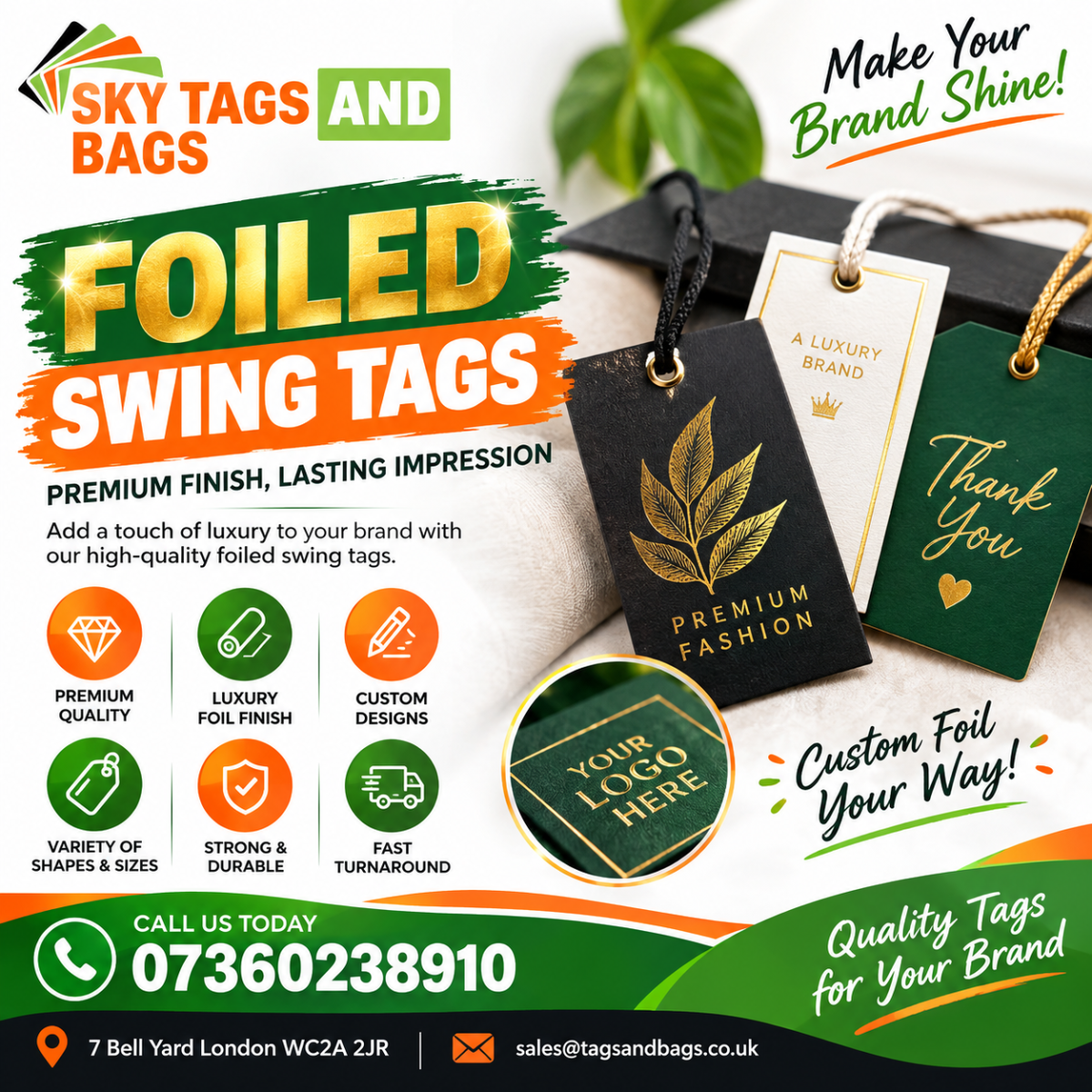
In a competitive retail environment, small packaging details can have a surprisingly strong influence on how customers perceive a product. While the product itself remains the main focus, presentation helps communicate quality, personality, and brand values before the packaging is even opened. One increasingly popular way for retailers and product businesses to enhance this presentation is through foiled swing tags UK brands can customise for different products and collections.
foiled swing tags UK are traditionally used to display information such as prices, product details, sizes, care instructions, or brand messages. With modern finishing techniques, they can also become an important part of a product’s visual identity. Foil printing, textured stocks, distinctive shapes, and personalised designs allow businesses to create tags that feel more considered without requiring complicated packaging structures.
For fashion retailers, independent makers, gift businesses, and e-commerce brands, understanding how these finishing options work can help create packaging that is both practical and visually appealing.

What Are Foiled Swing Tags?
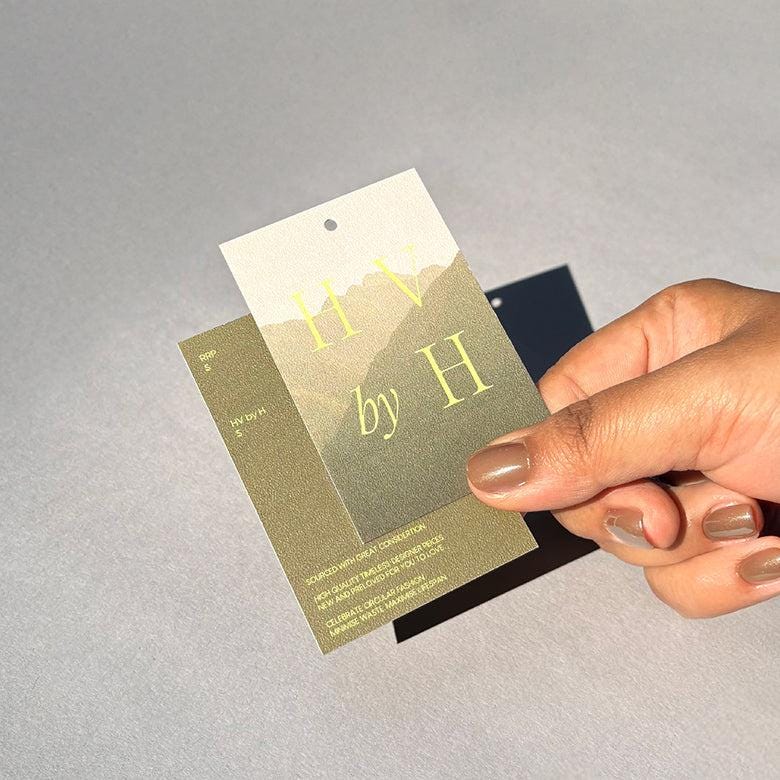
Foiled swing tags are product tags enhanced with a metallic or coloured foil finish. During the finishing process, heat and pressure are commonly used to transfer foil onto selected areas of a printed design. Depending on the chosen material and production method, the result can range from subtle metallic detailing to a highly reflective decorative effect.
Gold and silver remain popular choices, but contemporary printing technology allows businesses to explore a broader range of colours and finishes.
For example, foil can be applied to:
- Brand names and logos
- Product collection names
- Decorative borders
- Short messages
- Icons and symbols
- Pricing or promotional details
- Selected typography
The key advantage is contrast. A simple card tag can gain visual depth when foil is applied selectively rather than covering the entire surface.
Foil printed swing tags can therefore serve two purposes at once: providing useful product information while contributing to the overall appearance of the packaging.
Why Foil Finishing Works for Premium Retail Products
Consumers often associate certain packaging characteristics with higher perceived value. Heavy card, clean typography, tactile finishes, embossing, and metallic details can all contribute to that perception.

However, premium packaging does not necessarily mean using every available finishing technique. Effective design usually comes from selecting finishes that support the product and brand rather than competing with them.
Foil can be particularly useful because metallic details naturally attract attention. When combined with a restrained layout, it can create a sophisticated appearance without requiring elaborate graphics.
For example, a minimalist clothing brand might use a neutral card stock with a small gold logo. A handmade jewellery business could combine dark card with silver typography. A gift retailer might use coloured foil alongside an illustrated design.
These examples demonstrate why personalised foiled swing tags are useful across different retail categories. The finish can be adapted to suit the brand’s visual language rather than following one fixed style.
Choosing the Right Materials and Design
The effectiveness of a swing tag depends on more than its foil finish. Card stock, shape, typography, colour, hole position, and attachment method all contribute to the final result.
1. Select a Suitable Card Stock
The substrate provides the foundation for the tag. A thicker card can create a more substantial feel, while a lighter stock may be appropriate for products where tags need to remain flexible.
The surface finish also matters. Smooth stocks can provide a clean background for detailed foil work, while textured papers can introduce additional tactile interest.

2. Keep the Design Legible
A common mistake is placing too much information on a small tag. Although swing tags can contain multiple details, the most important information should remain easy to read.
Consider prioritising:
- Brand identity
- Product name
- Key product information
- Website or social handle
- Short message
- Care or material information where relevant
The design should remain clear when viewed from a normal distance.
3. Use Foil Selectively
Foil is most effective when it has a clear purpose. Applying metallic finishing to every element can reduce contrast and make the design feel crowded.
Using foil for a logo, heading, border, or small decorative feature can create a visual focal point while allowing the remaining printed elements to provide balance.
4. Consider Colour Contrast
The relationship between the card colour and foil colour can significantly affect the final appearance.
Dark backgrounds can provide strong contrast with gold or silver foil, while lighter backgrounds may work well with darker or coloured metallic finishes. Businesses should consider their existing packaging, logo, photography, and retail environment when selecting a combination.
Where Luxury Swing Tags Are Commonly Used
The appeal of luxury swing tags UK retailers use extends across several industries. They are particularly relevant where presentation plays an important role in purchasing decisions.

Fashion and Apparel
Clothing brands commonly use swing tags for pricing, sizing, fabric information, and branding. A carefully designed foil tag can complement premium garments while maintaining the practical function of traditional tagging.
Jewellery and Accessories
Jewellery businesses often benefit from sophisticated packaging because customers associate the presentation with the perceived value of the item. Metallic details can work particularly well with jewellery collections, especially when combined with minimalist typography.
Gifts and Lifestyle Products
Gift products rely heavily on presentation. A decorative tag can reinforce the feeling that an item is intended for a special occasion, particularly when the design incorporates seasonal colours or metallic elements.
Handmade and Artisan Products
Small businesses and independent makers can use swing tags to communicate their identity. A personalised tag can include a short brand story, product information, or a simple thank-you message.
E-commerce Packaging
Online retailers have fewer opportunities to create a physical impression before a customer receives an order. This makes the unboxing experience particularly important. A well-designed tag can become part of that physical interaction, helping packaging feel more deliberate and brand-focused.

Foil Stamping Versus Standard Printed Tags
Traditional printed swing tags remain suitable for many businesses. They are cost-effective, versatile, and capable of carrying detailed information.
Foil stamped swing tags, by comparison, introduce an additional finishing layer. The choice depends on the role of the tag and the brand’s packaging strategy.
Standard printing may be preferable when:
- The tag contains extensive information
- Cost efficiency is the primary consideration
- The design is highly colourful
- Metallic detailing is unnecessary
Foil finishing may be more appropriate when:
- The brand has a premium visual identity
- The logo needs additional emphasis
- The product is positioned as a gift or luxury item
- Packaging needs a distinctive tactile or visual detail
- A minimalist design would benefit from a small decorative accent
In many cases, the best approach is not about choosing one technology over another. A combination of conventional printing and selective foil finishing can produce a balanced result.
Common Challenges and How to Avoid Them
Creating an attractive swing tag requires attention to practical details as well as aesthetics.
Too Much Information
Small tags have limited space. Attempting to include every piece of information can make the design difficult to read.
Solution: Prioritise the information customers need at the point of purchase and move additional details to the packaging or website where appropriate.
Poor Contrast
A foil colour that blends into the background may lose much of its visual impact.
Solution: Test the relationship between stock colour, ink, and foil before committing to a large production run.
Overcomplicated Designs
Multiple fonts, colours, illustrations, and finishing techniques can compete for attention.
Solution: Establish a clear hierarchy. Decide which element should attract attention first, then design the remaining elements around it.
Ignoring Attachment
The tag’s string, ribbon, or attachment point should complement the overall design. A sophisticated printed tag can lose some of its impact if the attachment method looks inconsistent with the product.
Solution: Consider the complete presentation, including tag shape, hole placement, string, ribbon, and how the tag will sit on the product.
Making Swing Tags Part of a Broader Brand Strategy
Swing tags should not exist in isolation. They work best when they complement other brand touchpoints, including packaging boxes, bags, labels, tissue paper, stickers, and online presentation.
Consistency can help customers recognise a business across different channels. For example, the same typography and colour palette can appear across product tags and e-commerce packaging. Foil can then be used as a recurring accent rather than a one-off decoration.

Businesses exploring foiled swing tags UK suppliers should therefore begin with their wider brand identity and determine how the tags can support it.
Tags and Bags is one example of a UK packaging provider offering foiled tag options for businesses looking to incorporate decorative finishing into product presentation.
The Future of Premium Product Tagging
Packaging continues to evolve as businesses look for ways to create memorable customer experiences while keeping designs practical. Personalisation, minimalist branding, tactile materials, and specialist finishing techniques are all influencing modern packaging design.
For smaller businesses, these developments also make it easier to create packaging that feels distinctive without requiring extremely complex structures.
The most effective swing tags are likely to remain those that balance appearance with function. A premium finish should not make essential information difficult to access, and decorative elements should reinforce rather than distract from the brand.

Conclusion
Swing tags may be a small component of retail packaging, but they can contribute significantly to a product’s presentation. Foil finishing adds contrast, texture, and visual interest, making it particularly useful for fashion, jewellery, gifts, artisan products, and premium e-commerce packaging.
From foil printed swing tags to personalised designs and luxury finishes, businesses have a wide range of options for creating tags that reflect their identity. The most important consideration is not simply adding metallic effects, but using materials, typography, colour, and finishing techniques in a purposeful way.
When thoughtfully designed, a swing tag can do more than display information. It can become a subtle but effective part of the customer’s overall experience with a product.
Read More :
- Best 10 Tips for Choosing Vinyl Sticker Printing in the UK
Edit descriptiondaren33997.affiliatblogger.com - https://smautoservicecouk.blogspot.com/2026/08/best-10-tips-for-choosing-custom.html
- Best 10 Ways Custom Hologram Stickers Improve Product Packaging
Packaging has become more than a protective layer around a product. For many businesses, it is an important part of…medium.com - Top 10 Reasons Businesses Choose Custom Hologram Stickers for...
Packaging has become much more than a protective layer around a product. In competitive retail and e-commerce markets…www.scenario.press - https://we2chat.net/read-blog/17472










Comments (0)