Nasha Mukti Kendra Panchkula: What Families Should Know
Searching for a nasha mukti kendra in Panchkula? Here's what real recovery care looks like, what to ask, and how to choose the right one.
 OMFoundation
If someone reads this article at 2 am because his darling is addicted and he cannot drag her to rehab, it means he did the right thing by being here at this moment. The addiction does not come and say, “Hey, I am going to become an addiction,” but it comes when the shifts, finances, friends, and family start diminishing. The people who approach us in Nasha Mukti Kendra in Panchkula have already reached a stage where begging their addicted ones to enter treatment seems like stealing their car keys, and those who can already steal car keys certainly know that addiction has full control over them. However, they do not know that it is a disease, which means that it cannot be combated on one’s own and needs a professional medical and psychological approach.
Most people have no idea what questions to ask and what to look for when searching for a rehabilitation center for their addicted ones, which is why we have prepared this short list of red flags and things to consider for those seeking treatment for their loved ones addicted to drugs or alcohol.
Understanding Addiction Treatment in Panchkula
Panchkula, like much of north India, has seen a steady rise in substance use over the past decade — alcohol, opioids, and increasingly, prescription drug misuse among younger people. State and central government de-addiction programs exist alongside private rehabilitation centers, and the quality between them varies widely.
A nasha mukti kendra (literally, "addiction-freedom center") is a residential or outpatient facility built to help someone safely withdraw from a substance and rebuild a life without it. The better ones don't just manage withdrawal — they treat the whole person, because addiction rarely shows up alone. It's often tangled up with anxiety, depression, trauma, or family stress that needs attention too.
This is where finding the right nasha mukti kendra in Panchkula becomes less about proximity or price, and more about whether the center treats the underlying causes, not just the symptoms.
Most people don't realize how layered recovery actually is. It's not a 10-day fix. It's detox, then therapy, then the slow work of relearning how to live — and a center that only offers the first piece is setting families up for relapse.
What Does Real Treatment Actually Look Like?
A genuine recovery program is built in stages, not as a single event. Here's roughly how it should unfold:
-
Assessment — A proper intake evaluates physical health, substance history, mental health, and family context. This isn't a formality; it shapes the entire treatment plan.
-
Medical detox — Under supervision, withdrawal is managed safely, since stopping certain substances abruptly (especially alcohol or benzodiazepines) can be dangerous without medical support.
-
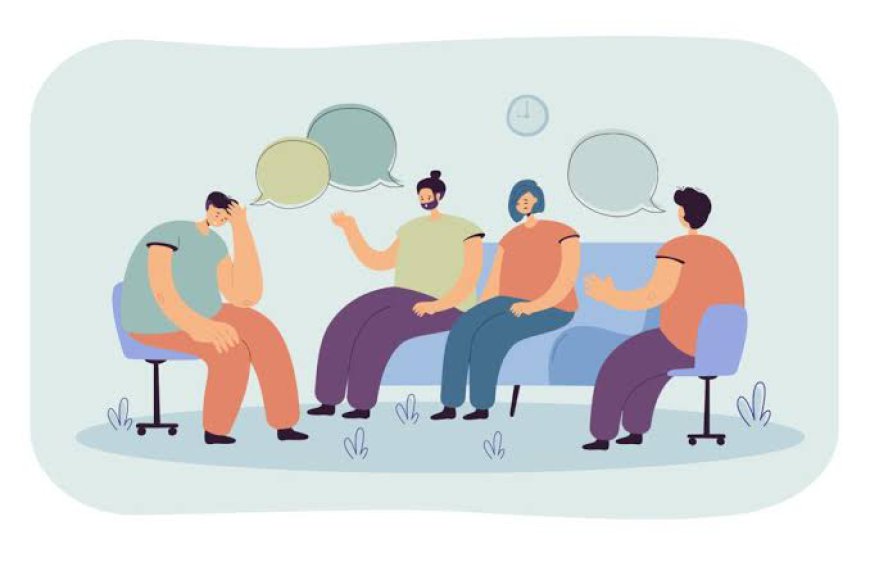
Therapy and counseling — Individual counseling, group therapy, and often family therapy, since addiction affects the whole household, not just the individual.
-
Skill-building and structure — Daily routines, vocational guidance, and coping strategies for stress and triggers.
-
Aftercare planning — Relapse prevention, support groups, and a plan for the weeks and months after discharge, when the risk of relapse is highest.
A center that skips straight from detox to discharge isn't offering recovery. It's offering a pause.
How Do You Choose the Right Nasha Mukti Kendra?
The short answer: look for medical supervision, licensed counselors, a structured multi-week program, family involvement, and an honest aftercare plan — not just promises of a quick cure.
Beyond that quick answer, here's what to actually check before you commit:
-
Medical staff on-site. Detox without a doctor present is a serious safety risk, not a shortcut.
-
Realistic timelines. Be wary of anyone promising a "guaranteed cure" in a fixed number of days. Recovery isn't linear, and no ethical center promises a guarantee.
-
Family involvement. Programs that include the family in counseling tend to support longer-term recovery, because the person is returning to the same home environment that existed before.
-
Aftercare and follow-up. Ask directly: what happens after discharge? If there's no answer, that's a gap worth noticing.
-
Transparency about methods. A trustworthy center will explain its approach clearly instead of being vague about what "treatment" actually involves.
It's okay to ask hard questions during a phone call before you ever visit in person. A center confident in its own care won't be defensive about it.
Red Flags to Watch For
Not every facility calling itself a de-addiction center operates with real medical or ethical standards. Some warning signs worth taking seriously:
-
No licensed doctor or psychiatrist involved in care
-
Pressure tactics to admit immediately without an assessment
-
Vague answers about what daily treatment actually includes
-
No mention of family counseling or aftercare at all
-
Reluctance to let you visit or ask questions beforehand
In practice, families who've been through this once tend to develop a kind of instinct for these gaps the second time around. Trust that instinct if something feels rushed or unclear.
A Final Word
No version of this is easy. To watch someone you love wrestle with an addiction is gut-wrenching, scary, and sometimes isolating; knowing which facility to send your loved one to seems like another battle that you may not be certain you're ready to fight.
However, you shouldn't feel the need to perfectly understand everything that is going on in order to make the best choice. You just need to ask some questions yourself and be able to see through the marketing gimmicks that some rehab centers use, so that you hire a place that helps you see your addiction in a way to quit for the long run.