Pain Management Doctors in Queens NY: How to Find the Right Care and Finally Get Relief
A Complete Guide for Queens Residents on Understanding Chronic Pain, Knowing When to Seek Help, and Accessing Expert Local Treatment
 lisamarcus
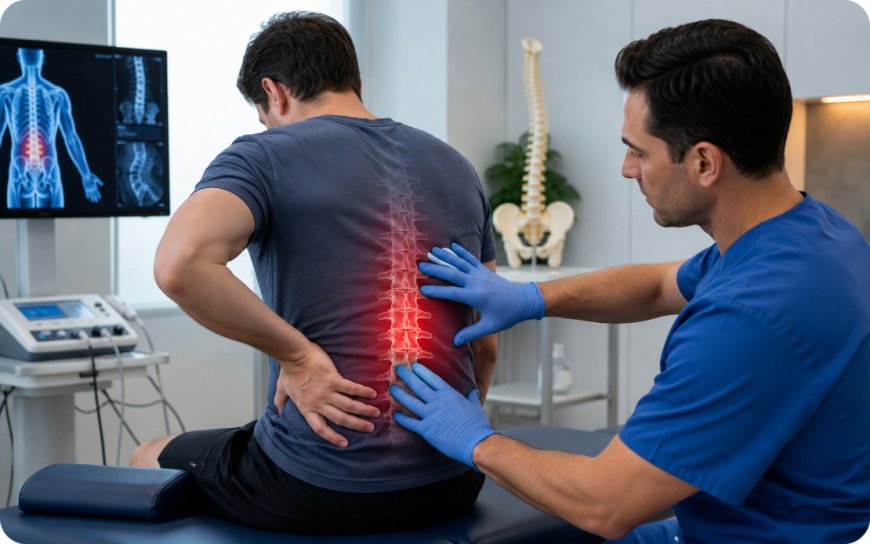
Chronic pain affects millions of Americans, and for residents across Queens, New York, the challenge of finding qualified, compassionate care close to home is very real. Whether you are dealing with persistent back pain, recurring migraines, joint discomfort, or musculoskeletal injuries that never seem to fully heal, connecting with the right pain management doctors in queens ny can be the turning point that changes your daily quality of life. Pain is not something anyone should simply learn to live with, and the good news is that effective, accessible care is closer than many people realize.
Too many Queens residents delay seeking help because they are unsure whether their pain is serious enough, uncertain about where to go, or simply overwhelmed by the process of finding a provider they can trust. The role of pain management doctors in queens ny goes far beyond writing prescriptions. These medical professionals assess the full picture of your condition, identify root causes, and build individualized treatment plans designed to address pain at its source rather than masking symptoms temporarily.
Understanding your options is the first step toward real relief. From Astoria and Long Island City to Flushing and Forest Hills, pain management doctors in queens ny are serving communities across the borough with the kind of comprehensive, patient-centered care that makes a genuine difference. This guide is designed to help you understand chronic pain, recognize when it is time to act, and know what to expect when you finally seek the help you deserve.
Understanding Chronic Pain and Why It Demands Professional Attention
Chronic pain is broadly defined as pain that persists for three months or longer, often continuing well beyond the normal healing period for an injury or illness. It is one of the most common and complex medical conditions in the country, affecting people of all ages and backgrounds. Unlike acute pain, which serves as a clear signal of immediate injury or illness, chronic pain can take on a life of its own, persisting even after the original cause has been resolved.
Common sources of chronic pain include back and neck injuries, arthritis and joint degeneration, nerve damage, fibromyalgia, sports-related musculoskeletal injuries, and conditions like sciatica. Headaches and migraines, which affect a significant portion of the population, also fall under the umbrella of conditions that benefit from structured pain management.
What makes chronic pain particularly challenging is its effect on the whole person. It disrupts sleep, limits physical activity, affects concentration and mood, and can lead to anxiety and depression if left unaddressed. Pain management queens specialists understand that treating chronic pain effectively requires more than targeting the physical symptom. It requires a comprehensive approach that accounts for the patient's overall health, lifestyle, and personal goals. The sooner professional care is sought, the better the long-term outcomes tend to be.
When to Seek Help from a Pain Management Specialist
Many people struggle to know when their pain has crossed the threshold from something they can manage on their own to something that requires professional evaluation. The answer is simpler than it might seem: if pain is interfering with your daily life, it is time to see a doctor.
More specifically, you should seek evaluation from a qualified provider if your pain has lasted longer than a few weeks without improvement, if over-the-counter medications are no longer providing adequate relief, if the pain is worsening over time, or if it is accompanied by other symptoms such as numbness, tingling, weakness, fever, or unexplained weight loss.
For Queens residents in neighborhoods like Jackson Heights, Bayside, and The Rockaways, access to urgent and ongoing care is available without long waits or complicated referral processes. A well-equipped local clinic can handle a wide range of pain-related concerns, from sprains and strains to back pain, neck pain, fractures, and musculoskeletal injuries, all under one roof. Laboratory and imaging services available on-site make it easier to get an accurate diagnosis quickly, which is the foundation of any effective pain management plan.
Do not wait until the pain becomes unbearable. Early intervention consistently leads to better outcomes, fewer complications, and a faster return to normal activity.
Treatment Options for Chronic and Acute Pain
Effective pain management is rarely a one-size-fits-all process. The best treatment plans are built around the specific nature, location, and cause of the pain, as well as the patient's overall health history and lifestyle factors. Pain management queens providers use a combination of approaches to deliver meaningful, lasting relief.
Physical and rehabilitative approaches are often a cornerstone of treatment. Targeted exercise, stretching, and physical therapy can restore strength and flexibility, reduce inflammation, and correct postural or mechanical issues that contribute to ongoing pain. For many patients, these non-invasive methods provide substantial improvement without the need for medication.
Medication management plays an important role when appropriate. Anti-inflammatory medications, muscle relaxants, nerve pain medications, and other carefully selected pharmaceutical options can be used strategically to reduce pain levels while other treatments take effect. A responsible pain management provider always monitors medication use closely and works to minimize dependency risks.
For conditions involving nerve pain, joint degeneration, or localized inflammation, additional interventional options may be appropriate. These are discussed on a case-by-case basis with the treating physician.
Lifestyle guidance is also a critical component of comprehensive pain care. Nutrition, sleep quality, stress management, and activity levels all play measurable roles in how the body experiences and recovers from pain. A good pain management provider addresses these factors alongside direct medical treatment.
Why Queens Residents Choose Expert Local Care
Queens is one of the most diverse and densely populated boroughs in New York City, home to communities with a wide range of healthcare needs and expectations. For residents dealing with pain, having access to a local clinic that offers comprehensive services, experienced providers, and a welcoming environment makes a significant difference in whether people actually follow through on seeking care.
Doctors of New York serves patients across Queens with a full spectrum of medical services, including urgent care, laboratory and imaging, occupational health, workers compensation support, and treatment for a wide range of acute and chronic conditions. For patients in Astoria, Flushing, Forest Hills, and surrounding neighborhoods, the clinic provides a reliable and accessible destination for pain-related concerns without the wait times and complexity of hospital-based care.
Local care means more than just proximity. It means providers who understand the communities they serve, who communicate clearly, and who treat patients as individuals rather than case numbers. That kind of relationship-centered medicine is what keeps Queens residents coming back when they need help most.
Conclusion
Living with unmanaged pain takes a toll on every area of life. The good news is that effective, compassionate care is available right here in Queens. Whether you are experiencing back pain, migraines, joint discomfort, or recovering from an injury, connecting with qualified pain management doctors in queens ny is the most important step you can take toward feeling better.
Do not let uncertainty or delay stand between you and the relief you deserve. Pain management queens specialists are equipped to evaluate your condition, create a personalized care plan, and support you through every stage of recovery. If you or someone you love is struggling with persistent pain.