Plant Root Enhancer: Improving Growth with Root Development Stimulant
 utkarshagro
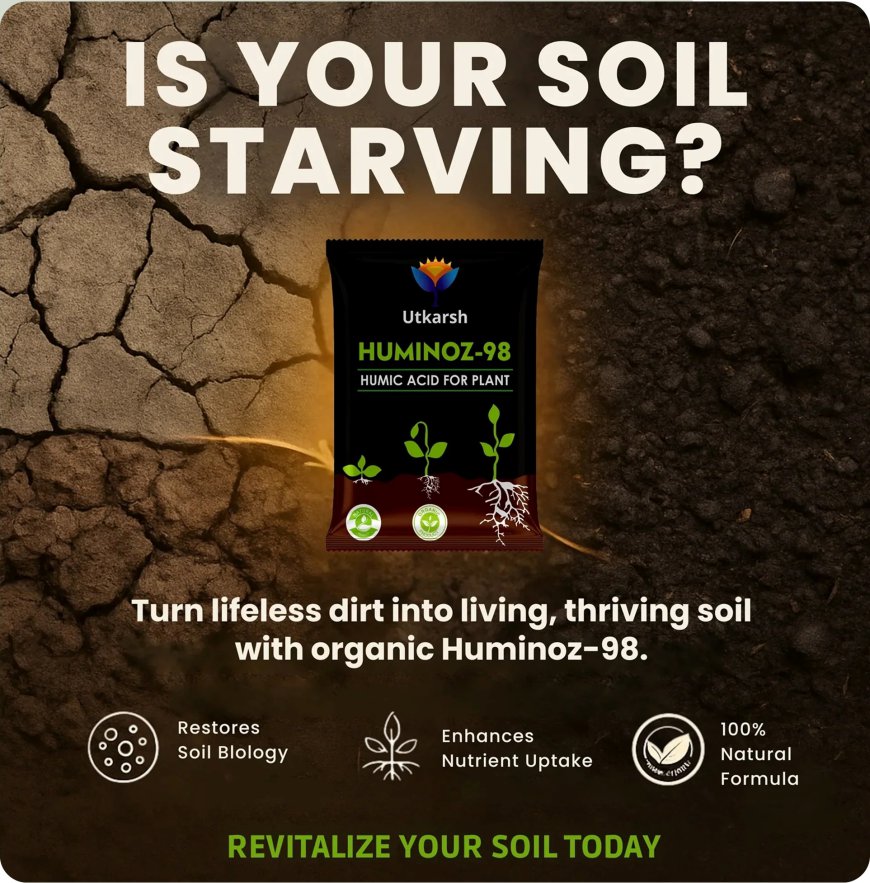
Healthy plant growth begins below the soil surface where roots anchor the plant and absorb essential nutrients. Farmers and gardeners often focus on visible growth, but root strength determines long-term productivity and resilience. Plant root enhancer products are designed to stimulate root expansion, improve nutrient uptake, and support overall plant stability. These solutions play a significant role during early growth stages as well as during transplanting. Root development stimulant formulations provide targeted nutrients and bioactive compounds that accelerate root formation. Proper understanding of these inputs helps achieve consistent crop performance and better yield quality. This article explains how root enhancers work, their benefits, and answers common questions related to their usage and effectiveness.
Understanding Plant Root Enhancer and Its Role in Growth
The application of plant root enhancer is essential for improving root strength and plant establishment. These enhancers typically contain a combination of nutrients, amino acids, and growth-promoting substances that support root cell development.
Roots play a vital role in absorbing water and minerals from the soil. When roots are strong and well-developed, plants can access nutrients more efficiently, leading to better growth and productivity. Root enhancers improve this process by encouraging deeper and wider root systems.
These products are particularly useful during transplantation, when plants experience stress and require additional support. Applying a root enhancer helps reduce transplant shock and promotes faster recovery.
Soil interaction also improves with the use of root enhancers. They stimulate beneficial microbial activity, which enhances nutrient availability in the root zone. This creates a supportive environment for sustained growth.
Regular use of root enhancers can lead to uniform plant development. Crops grow more consistently, which is important for both yield quality and harvesting efficiency.
How Root Development Stimulant Supports Plant Health
After understanding root enhancers, it is important to explore how root development stimulant formulations contribute to plant health. These stimulants are designed to accelerate root formation and improve overall plant vigor.
Root stimulants often include hormones such as auxins, which play a key role in root initiation and elongation. These compounds help plants develop stronger root systems in a shorter period.
Improved root systems lead to better nutrient uptake. Plants can absorb essential elements such as nitrogen, phosphorus, and potassium more effectively. This results in healthier foliage and improved growth rates.
Root stimulants also enhance stress tolerance. Plants with strong roots are better equipped to handle drought, temperature fluctuations, and soil-related challenges. This increases their survival rate and productivity.
Another benefit is improved soil structure interaction. Root stimulants encourage roots to penetrate deeper into the soil, accessing nutrients that may not be available near the surface.
Overall, these products support both early-stage development and long-term plant health.
What Is a Good Root Booster for Plants
A good root booster provides a balanced combination of nutrients and growth-promoting substances that support root development. Products containing phosphorus, amino acids, and beneficial microbes are often considered effective.
Phosphorus is particularly important for root growth as it supports energy transfer and cell division. Amino acids help in stress recovery and improve nutrient absorption. Microbial components enhance soil health and nutrient availability.
Key features of an effective root booster include:
-
Balanced nutrient composition for early growth
-
Presence of growth hormones or bio stimulants
-
Compatibility with different soil types
-
Ease of application through soil or foliar methods
Selecting the right product depends on crop type and soil condition. Farmers should evaluate these factors before choosing a root booster.
Consistent application and proper timing ensure better results. Applying the booster during early growth stages maximizes its effectiveness.
What Is a Root Enhancer and Is It Safe for All Plants
A root enhancer is a formulation designed to improve root development and overall plant health. It works by providing essential nutrients and stimulating biological processes that support root growth.
These products are generally safe for most plants when used according to recommended guidelines. Over-application or incorrect usage may lead to nutrient imbalance, which can affect plant health.
Different plants have varying nutrient requirements. It is important to adjust dosage based on crop type and growth stage. This ensures that plants receive the right amount of nutrients without excess.
Root enhancers are widely used in agriculture, horticulture, and home gardening. They are suitable for vegetables, fruits, ornamental plants, and field crops.
Safety also depends on product quality. Choosing reliable brands ensures that the formulation is free from harmful substances.
Proper handling and storage further enhance safety and effectiveness.
What Is the Best Root Stimulant and Do They Really Work
The best root stimulant is one that combines nutrients, growth hormones, and bioactive compounds to support rapid and healthy root development. Products that include auxins, phosphorus, and organic components are often considered highly effective.
Root stimulants work by accelerating natural growth processes within the plant. They encourage root initiation, elongation, and branching, which improves overall plant stability.
Scientific studies and practical use have shown that root stimulants can significantly improve plant growth when applied correctly. They are particularly beneficial during early growth stages and after transplantation.
However, effectiveness depends on proper application. Incorrect dosage or timing may reduce results. Following recommended guidelines ensures optimal performance.
Root stimulants also complement other fertilizers. When used alongside balanced nutrition, they enhance overall plant development and yield.
Farmers often observe improved crop uniformity and productivity with regular use of these products.
Application Methods and Best Practices
Soil Application
Applying root enhancers directly to the soil ensures that nutrients reach the root zone effectively. This method is commonly used during planting or transplantation.
Foliar Spray
Foliar application allows quick absorption of nutrients through leaves. It is useful for correcting deficiencies and supporting growth during critical stages.
Drip Irrigation
Using root stimulants through drip systems provides uniform distribution across the field. This method is efficient for large-scale farming.
Key Best Practices
-
Apply during early growth stages for maximum impact
-
Follow recommended dosage to avoid overuse
-
Combine with proper irrigation for better absorption
-
Monitor plant response and adjust application accordingly
These practices help maximize the benefits of root enhancers and stimulants.
Conclusion
Plant root enhancer and root development stimulant products play a crucial role in improving plant health and productivity. Strong root systems ensure efficient nutrient uptake, better water absorption, and increased resistance to environmental stress. Choosing the right product based on crop requirements and soil conditions leads to better results. Proper application methods and timing enhance the effectiveness of these inputs. Root stimulants have proven to be effective in supporting early growth and improving overall plant performance. Safety and proper usage are important to avoid nutrient imbalance. Reliable providers such as Utkarsh Agro offer solutions that meet modern agricultural needs. Investing in quality root enhancement products contributes to healthier crops and improved yield outcomes.