Resbalones y Caídas en Port of Miami: Protecting Your Rights in High-Traffic Areas
Resbalones y Caídas
 timscott
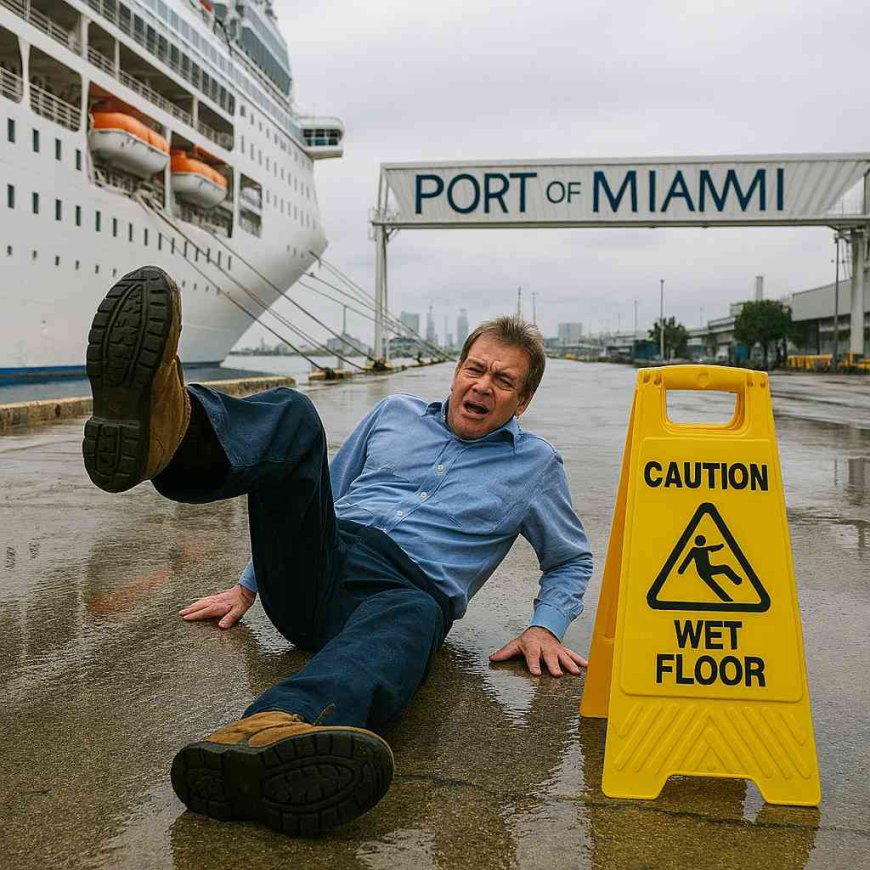
The Port of Miami is one of the busiest cruise ports in the world, welcoming millions of travelers each year. From excited passengers preparing to board cruises to employees managing daily operations, the environment is constantly active. However, with such high traffic comes increased risk—particularly when it comes to resbalones y caídas en Port of Miami (slip and fall accidents), which can lead to serious injuries and legal complications.
Slip and fall accidents may seem minor at first glance, but they often result in significant consequences. Wet floors, uneven surfaces, poor lighting, and lack of proper warning signs are some of the most common hazards. In a fast-paced setting like the Port of Miami, even a small oversight can lead to injuries such as broken bones, sprains, or head trauma.
Understanding the causes of these incidents is essential for both prevention and accountability. Many slip and fall accidents occur due to negligence in maintenance. For example, spills that are not promptly cleaned or slippery surfaces without visible warnings create dangerous conditions for visitors. Additionally, the constant movement of luggage, carts, and crowds increases the likelihood of trips and falls, especially in boarding and disembarkation zones.
When resbalones y caídas en Port of Miami occur, determining liability becomes a crucial step. These cases typically fall under premises liability law, which requires property owners and operators to maintain safe conditions. If they fail to meet this responsibility, they may be held legally accountable for any resulting injuries.
Victims of slip and fall accidents often face more than just physical pain. Medical expenses, lost wages, and emotional stress can quickly add up. This is why understanding your rights is so important. If your accident was caused by unsafe conditions or negligence, you may be entitled to compensation. However, proving liability requires strong evidence, including photos of the scene, incident reports, and witness statements.
This is where legal guidance can make a meaningful difference. An experienced attorney familiar with resbalones y caídas en Port of Miami cases can help evaluate your claim, gather necessary documentation, and negotiate with insurance companies. They also understand the unique regulations that apply to port areas, which can differ from other locations.
Time is another critical factor. There are strict deadlines for filing claims, and delays can jeopardize your ability to seek compensation. Acting quickly ensures that evidence is preserved and your case remains strong.
While legal action is important after an incident, prevention remains the best approach. Visitors can reduce risk by staying alert, wearing appropriate footwear, and reporting hazardous conditions. At the same time, port authorities must prioritize safety through regular inspections, prompt cleaning, and clear signage.
In conclusion, resbalones y caídas en Port of Miami are more common than many realize, but they are often preventable. When accidents do happen, knowing your rights and taking the right steps can make all the difference. By combining awareness, responsibility, and proper legal support, individuals can navigate these situations with confidence and work toward safer environments for everyone.