Top Reshafting Golf Clubs Mistakes to Avoid for a Clean Fit
Avoid costly mistakes when reshafting golf clubs. Learn expert tips, tools, and techniques to get a perfect fit and better performance. Read the full guide now.
 Donald_Carlisle
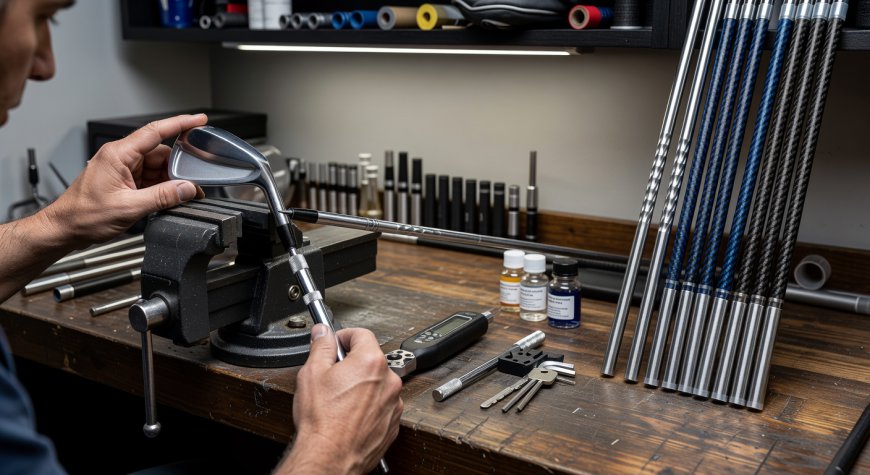
Golf clubs are designed for precision, balance, and performance. When a shaft becomes damaged, worn out, or unsuitable for your swing style, reshafting golf clubs becomes an excellent solution instead of buying new equipment. Many golfers choose golf shaft replacement to improve distance, control, and consistency.
However, reshafting a golf club is a technical process. Small mistakes during golf club reshafting can affect swing performance, durability, and overall club balance. Whether you plan to reshaft golf clubs yourself or use a club reshafting service, understanding the most common mistakes can save time, money, and frustration.
This guide explains the biggest errors golfers make during club reshafting, the proper tools required, and how to ensure a clean, professional fit.
Why Reshafting Golf Clubs Matters
Over time, golf shafts can lose their flexibility, crack, or simply stop matching your swing speed. Instead of replacing the entire club, many golfers choose golf reshafting because it offers several benefits.
A proper golf club shaft replacement can:
- Improve swing control and ball accuracy
- Restore damaged or worn shafts
- Adjust shaft flex to match your swing speed
- Extend the life of your clubs
- Reduce equipment costs compared to buying new clubs
According to equipment studies published by the United States Golf Association (USGA), properly fitted equipment significantly impacts shot consistency and performance.
That is why many golfers invest in golf club reshafting tools or seek a professional club reshafting service.
Common Reshafting Golf Clubs Mistakes to Avoid
1. Using the Wrong Shaft Tool
One of the most common mistakes in reshafting golf clubs is using improper equipment. A specialized shaft tool is essential for safely removing the old shaft without damaging the club head.
Improper tools can cause:
- Club head damage
- Shaft breakage inside the hosel
- Poor alignment during installation
Professional technicians typically use dedicated golf club reshafting tools, including shaft pullers, heat guns, and epoxy applicators. If you are planning DIY golf club reshafting, investing in a proper golf club reshafting kit is highly recommended.
2. Choosing the Wrong Replacement Shaft
Another major mistake during golf shaft replacement is selecting a shaft that does not match your swing profile.
Important factors to consider include:
- Shaft flex (regular, stiff, extra stiff)
- Weight of the shaft
- Material (steel or graphite)
- Torque rating
When golfers re shaft golf clubs without considering these factors, it often results in inconsistent ball flight or reduced distance.
Many professional golf club reshafting service providers use swing analysis to recommend the best shaft type.
3. Applying Incorrect Heat During Shaft Removal
Removing an old shaft requires controlled heat to soften the epoxy bond. Applying too much heat during reshafting clubs can damage both the shaft and the club head.
Excessive heat can cause:
- Graphite shaft structural damage
- Paint damage on club heads
- Weakening of the hosel structure
Professional club reshafting technicians carefully control temperature to ensure safe removal.
4. Poor Hosel Cleaning Before Installing the New Shaft
Before installing a new shaft, the hosel must be thoroughly cleaned. Any leftover epoxy or debris inside the hosel can weaken the bond.
During reshafting a golf club, technicians typically use:
- Hosel cleaning brushes
- Drill bits for epoxy removal
- Compressed air
Skipping this step is one of the most common DIY errors in golf club reshafting.
5. Using Low Quality Epoxy
The epoxy used in golf reshafting is different from regular adhesives. Specialized golf epoxy is designed to withstand high swing speeds and impact forces.
Using low quality adhesive can lead to:
- Loose shafts
- Misalignment during swings
- Club head separation during play
Professional club reshafting service providers always use high strength golf epoxy for durability.
6. Incorrect Shaft Alignment
Alignment is critical when installing a new shaft. If the shaft is not positioned correctly, the club’s performance can suffer.
During reshaft golf clubs procedures, technicians check:
- Spine alignment
- Shaft orientation
- Club head angle
Proper alignment ensures the club maintains balance and consistent ball contact.
7. Ignoring Swing Weight Balance
Swing weight determines how heavy a club feels during a swing. When golfers reshaft golf club equipment without recalculating swing weight, the club may feel too heavy or too light.
Professional golf club shaft replacement includes swing weight adjustments to maintain optimal performance.
This step is often overlooked in DIY reshafting clubs.
8. Not Allowing Enough Epoxy Curing Time
After installing a shaft, epoxy must cure properly before the club is used. Many golfers make the mistake of using the club too soon.
Standard curing time for golf club reshafting epoxy ranges between 12 to 24 hours depending on the adhesive.
Using the club earlier can weaken the bond and cause structural failure.
DIY vs Professional Club Reshafting
Some golfers prefer doing reshafting golf clubs themselves, while others rely on professionals.
DIY reshafting requires:
- A complete golf club reshafting kit
- Proper golf club reshafting tools
- Knowledge of shaft fitting
- Experience with epoxy bonding
For beginners, using a professional club reshafting service may be safer and more reliable.
Experienced club technicians also ensure proper swing weight, alignment, and shaft selection.
Understanding Club Reshafting Price
The club reshafting price can vary depending on several factors:
- Type of shaft (graphite or steel)
- Labor charges
- Brand of replacement shaft
- Additional adjustments
Generally, golf shaft replacement costs significantly less than purchasing a brand new club. Many golfers choose golf reshafting as a cost effective way to upgrade equipment.
Tools Required for Reshafting a Golf Club
If you plan to handle reshafting golf clubs yourself, several tools are essential.
Important tools include:
- Shaft puller
- Heat gun
- Epoxy adhesive
- Grip removal tools
- Hosel cleaning brush
- Measuring tools
A complete golf club reshafting kit usually includes most of these components.
Using the correct shaft tool improves accuracy and prevents equipment damage.
Signs Your Golf Club Needs Reshafting
Not every golfer knows when to reshaft golf clubs. Some common signs include:
- Visible cracks in graphite shafts
- Rust or wear on steel shafts
- Loss of shot consistency
- Reduced distance
- Change in swing speed
If you notice these issues, golf club reshafting may restore performance without buying new clubs.
When to Use a Professional Golf Club Reshafting Service
While DIY reshafting a golf club is possible, certain situations require professional help.
A professional golf club reshafting service is recommended when:
- Working with expensive clubs
- Installing high performance shafts
- Adjusting swing weight and lie angle
- Performing multiple club reshafting tasks
Professional technicians use advanced golf club reshafting tools and fitting systems to ensure accuracy.
Frequently Asked Questions
How much does club reshafting cost?
The club reshafting price varies depending on shaft type and labor costs. Graphite shafts are typically more expensive than steel shafts.
Can I reshaft golf clubs at home?
Yes, golfers can reshaft golf clubs at home using a proper golf club reshafting kit and correct shaft tool. However, experience and precision are required to avoid mistakes.
Is golf club shaft replacement worth it?
Yes. Golf club shaft replacement can restore club performance, improve swing consistency, and extend the lifespan of your equipment.
Conclusion
Mistakes during reshafting golf clubs can affect both performance and durability. Using the correct tools, selecting the right shaft, and following proper installation procedures are essential for achieving a clean and reliable fit.
Whether you choose DIY golf club reshafting or a professional club reshafting service, understanding the process helps avoid costly errors and ensures your clubs perform at their best.
If your clubs feel inconsistent or worn out, golf shaft replacement may be the upgrade that brings your game back to life.