Residential Construction Estimating: A Complete Guide for Accurate Home Building Costs
 miawillium
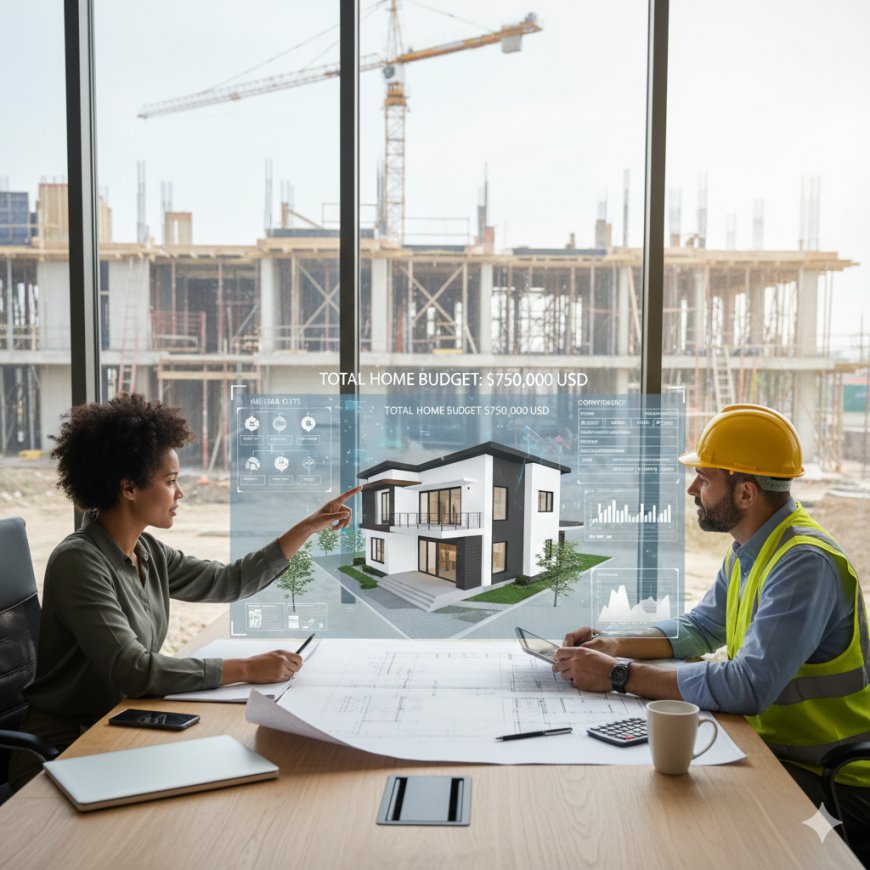
Residential construction estimating is one of the most critical steps in any home building or renovation project. Whether you are a homeowner, contractor, home builder, or real estate investor, understanding how residential construction estimating works can help you control costs, avoid budget overruns, and plan projects with confidenceAccurate estimates form the foundation of successful residential construction projects. From single-family homes to duplexes and multi-unit residential developments, a well-prepared estimate ensures that labor, materials, and indirect costs are properly accounted for before construction begins.In this guide, we will explore what residential construction estimating is, why it matters, the estimating process, key cost factors, common mistakes, and how professional estimating services can improve project outcomes.
What Is Residential Construction Estimating?
Residential construction estimating is the process of calculating the total cost required to build, remodel, or renovate a residential property. This includes estimating material quantities, labor costs, equipment, subcontractor pricing, permits, and other soft costs associated with home construction.The goal of residential construction estimating is to create a realistic budget that reflects actual project conditions. A proper estimate allows builders and homeowners to make informed decisions, secure financing, and avoid unexpected expenses during construction.
Key elements of residential construction estimating include.
-
Quantity takeoffs for materials
-
Labor cost calculations
-
Subcontractor pricing
-
Equipment and tool costs
-
Permits and inspection fees
-
Overhead and profit margins
-
Contingency allowances
Why Residential Construction Estimating Is Important
Accurate residential construction estimating plays a vital role in the success of any home building project. Poor estimates can lead to cost overruns, delays, disputes, and even project failure.
Here are some major benefits of proper residential construction estimating.
Better Budget Control
A detailed estimate helps homeowners and contractors set realistic budgets and track costs throughout the project.
Improved Project Planning
Knowing the expected costs allows for better scheduling, material procurement, and labor planning.
Reduced Financial Risk
Accurate estimates minimize surprises and help prevent unexpected expenses that can derail a project.
Stronger Bidding & Proposals
For contractors, professional estimates improve bid accuracy and increase the chances of winning profitable residential projects.
The Residential Construction Estimating Process
A structured estimating process ensures accuracy and consistency. Below is a step-by-step overview of how residential construction estimating is typically performed.
Review Plans and Specifications
The estimator begins by reviewing architectural drawings, engineering plans, and project specifications. This step ensures a full understanding of the scope of work, materials, and construction requirements.
Perform Quantity Takeoffs
Quantity takeoff is the process of measuring and listing all required materials such as concrete, lumber, drywall, roofing, flooring, and fixtures. Residential quantity takeoffs form the backbone of any accurate estimate.
Price Materials
Material pricing is based on current market rates, supplier quotes, and regional cost variations. Since material prices fluctuate, up-to-date pricing is essential.
Estimate Labor Costs
Labor costs are calculated based on productivity rates, local wage levels, and project complexity. Trades such as framing, electrical, plumbing, HVAC, and finishing all require separate labor estimates.
Add Subcontractor Costs
Many residential projects involve subcontractors for specialized work like electrical, plumbing, roofing, and HVAC. Their quotes are included in the overall estimate.
Include Soft Costs
Soft costs include permits, inspections, insurance, design fees, financing costs, and administrative expenses.
Apply Overhead and Profit
Contractors add overhead and profit margins to ensure the project remains financially viable.
Key Cost Factors in Residential Construction Estimating
Several variables influence residential construction costs. Understanding these factors helps improve estimate accuracy.
Home Size and Design
Larger homes with complex designs require more materials, labor, and time, increasing overall costs.
Location and Regional Pricing
Construction costs vary by location due to differences in labor rates, material availability, and local regulations.
Material Selection
High-end finishes, custom fixtures, and premium materials significantly impact residential construction budgets.
Labor Availability
Labor shortages or high demand can increase labor costs and affect project timelines.
Site Conditions
Challenging soil conditions, grading requirements, and access limitations can increase site preparation and foundation costs.
Residential Construction Estimating for Remodeling and Renovation
Residential construction estimating is just as important for remodeling and renovation projects. Estimating renovation costs can be more complex due to hidden conditions, demolition requirements, and existing structural limitations.
Common residential remodeling estimating areas include.
-
Kitchen renovation cost estimating
-
Bathroom remodeling cost estimating
-
Basement finishing estimates
-
Home addition cost estimating
-
Roofing replacement cost estimating
-
Flooring and interior finishing estimates
Renovation estimates should always include contingency allowances to cover unexpected conditions behind walls, under floors, or within existing structures.
Trade-Specific Estimating in Residential Projects
Trade-specific estimates help ensure accuracy across different construction disciplines.
Electrical Estimating
Residential electrical estimating includes wiring, panels, outlets, lighting fixtures, and labor.
Plumbing Estimating
Plumbing estimates cover piping, fixtures, water heaters, and installation labor.
HVAC Estimating
HVAC estimating includes ductwork, equipment, controls, and installation.
Framing and Structural Estimating
Framing estimates include lumber, trusses, sheathing, and labor.Using trade-specific estimating improves cost visibility and reduces the risk of missing important scope items.
Common Mistakes in Residential Construction Estimating
Even experienced professionals can make estimating errors. Some of the most common mistakes include.
-
Underestimating labor productivity
-
Missing scope items in quantity takeoffs
-
Using outdated material pricing
-
Ignoring soft costs and permits
-
Failing to include contingencies
-
Overlooking subcontractor scope overlaps
Avoiding these mistakes requires a detailed review process and up-to-date cost data.
Benefits of Professional Residential Construction Estimating Services
Many builders and homeowners choose to outsource residential construction estimating to professional estimators. Professional services offer several advantages.
-
Increased estimate accuracy
-
Faster turnaround times
-
Access to current cost databases
-
Reduced internal workload
-
Improved bid competitiveness
-
Better financial forecasting
Professional estimators use advanced software and proven methodologies to deliver reliable and consistent residential cost estimates.Companies like SMA MEP Estimate provide specialized residential estimating services that help contractors and developers improve cost control, bidding accuracy, and overall project profitability.
Secondary Keywords Used in Residential Construction Estimating
For SEO and search visibility, residential construction estimating is often searched alongside related terms such as.
-
Residential cost estimating
-
Home construction cost estimating
-
Residential quantity takeoff
-
Residential construction cost per square foot
-
Residential remodeling cost estimating
-
Residential construction budget planning
-
Residential construction takeoff services
-
Home building cost estimation
Including these secondary keywords helps attract a wider audience and improves organic search reach.
How to Improve Accuracy in Residential Construction Estimating
To improve your residential construction estimating process, consider the following best practices.
-
Use updated construction drawings
-
Verify material pricing regularly
-
Apply realistic labor productivity rates
-
Include appropriate contingencies
-
Track historical project data
-
Review estimates with multiple team members
Consistent estimating practices lead to better financial performance and fewer surprises during construction.
Final Thoughts
Residential construction estimating is a foundational element of successful home building and renovation projects. From quantity takeoffs and material pricing to labor calculations and soft costs, every detail matters when creating a reliable residential estimate.Whether you are a homeowner planning a new build, a contractor preparing bids, or a developer managing multiple residential projects, accurate estimating helps protect your budget, improve decision-making, and ensure smoother project execution.By understanding the residential construction estimating process and using professional estimating strategies, you can significantly reduce risk and increase the likelihood of delivering residential projects on time and within budget.