Rethinking Custom Sheds in Seattle, WA Through Long-Term Urban Design
That evolution matters because the most successful outdoor structures are rarely defined by appearance alone. Their long-term value usually comes from how intelligently they respond to the environment surrounding them.
 nwsheds
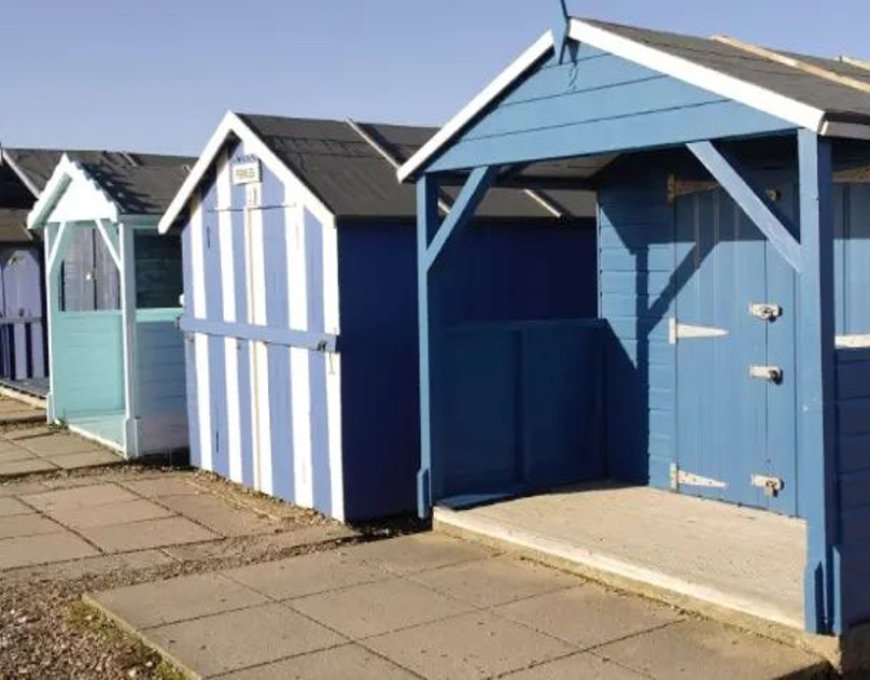
Urban outdoor storage is quietly evolving across the Pacific Northwest. Demand for custom sheds in Seattle, WA has increased alongside rising property values, shrinking lot flexibility, and changing expectations around functional outdoor space. What once served as simple tool storage is now expected to support hybrid work habits, recreational equipment, seasonal organization, and even secondary lifestyle functions.
At the same time, many homeowners searching for sheds for sale in Gig Harbor are confronting a different reality: climate, terrain, and long-term durability matter far more than appearance alone. Seattle’s dense neighborhoods and Gig Harbor’s moisture-heavy coastal conditions create unique operational pressures that generic shed construction often fails to address.
This shift is changing how outdoor structures are evaluated. Buyers are asking more detailed questions about ventilation, drainage, customization, and structural longevity. The conversation is becoming less transactional and more architectural.
Why Standard Shed Designs Are Losing Relevance in Seattle
Seattle properties rarely follow predictable layouts. Narrow side access, mature trees, sloped yards, and evolving zoning expectations all influence outdoor construction decisions.
Many older shed models were designed around standard dimensions rather than real property conditions. That approach increasingly feels outdated in urban neighborhoods where usable outdoor space carries higher value.
Several operational issues appear repeatedly when standardized sheds are forced into complex residential environments:
- Restricted airflow around tightly placed structures
- Roof runoff problems during prolonged rainfall
- Limited interior usability due to awkward proportions
- Premature flooring wear from trapped moisture
Viewed more broadly, this reflects a larger trend in residential construction. Consumers increasingly expect outdoor structures to function as integrated extensions of the property rather than detached utility boxes.
That expectation changes both design priorities and construction logic.
Seattle Homeowners Are Prioritizing Functional Adaptability
Demand for custom sheds in Seattle, WA is rising partly because homeowners want flexibility that generic configurations cannot provide.
In neighborhoods like Ballard, Green Lake, and West Seattle, outdoor space often needs to serve multiple functions simultaneously. Storage remains important, but sheds are also supporting:
- Gardening systems
- Remote work overflow
- Seasonal recreational equipment
- Workshop setups
- Compact hobby spaces
According to the National Association of Home Builders, accessory outdoor structures continue gaining relevance as homeowners seek ways to maximize residential functionality without major home additions.
This creates a more sophisticated buyer mindset.
Many consumers now evaluate:
|
Traditional Priority |
Emerging Priority |
|
Basic storage capacity |
Long-term usability |
|
Lowest upfront cost |
Durability over time |
|
Fast installation |
Environmental compatibility |
|
Standard sizing |
Site-responsive customization |
The difference may seem subtle initially. Operationally, it changes almost everything.
Why Coastal Conditions Shape Sheds for Sale in Gig Harbor
Searching for sheds for sale in Gig Harbor introduces a different environmental conversation.
Gig Harbor’s marine climate creates extended moisture exposure throughout much of the year. Salt air, rainfall, tree coverage, and slower drying cycles all influence structural performance over time.
Several construction vulnerabilities become more noticeable in these conditions:
- Poorly ventilated interiors retaining humidity
- Inadequate roofing systems handling runoff poorly
- Lower-grade siding deteriorating faster near damp areas
- Flooring systems absorbing prolonged ground moisture
Many consumers underestimate how environmental context affects long-term maintenance costs. Materials that perform adequately in drier climates may deteriorate much faster near the Puget Sound region.
Professionals working regularly in Western Washington increasingly prioritize moisture management as a foundational design consideration rather than a secondary feature.
That shift reflects a larger evolution across residential outdoor construction.
What the Industry Still Oversimplifies About Customization
Customization is often marketed visually. Operationally, the conversation runs much deeper.
Many homeowners assume customization simply means selecting dimensions, colors, or window placements. In reality, meaningful customization involves adapting a structure to environmental conditions, property behavior, and long-term usability patterns.
Several commonly overlooked variables include:
Drainage Integration
Improper placement can redirect water flow toward the structure during heavy rain cycles.
Airflow Management
Tree coverage and fencing significantly affect drying patterns around wooden sheds.
Seasonal Ground Movement
Western Washington soil conditions shift more than many homeowners realize during wetter months.
Sun Exposure
Limited winter sunlight can increase moisture retention dramatically on shaded sides of the structure.
Experiences like this reveal a broader industry pattern. Many outdoor structures are still designed around short-term installation efficiency rather than long-term environmental performance.
That gap increasingly separates durable construction from disposable construction.
The Operational Cost of Poor Shed Planning
Poor outdoor construction decisions rarely fail immediately.
That delayed visibility creates a false sense of success during the first several months after installation. Problems typically emerge gradually through repeated weather cycles.
Common long-term consequences include:
- Doors losing alignment after uneven settling
- Interior condensation damaging stored belongings
- Roofing stress from inadequate drainage angles
- Premature wood deterioration due to trapped moisture
One recurring issue involves ventilation. Homeowners often prioritize appearance while underestimating airflow requirements. Yet moisture-heavy climates demand more careful circulation planning than many standard models provide.
Professionals frequently approach ventilation similarly to HVAC logic in residential construction. The objective is environmental regulation, not simply adding windows.
That perspective remains under-discussed in most consumer-facing content.
Why Outdoor Structures Are Becoming More Architectural
The outdoor storage category is evolving quietly but meaningfully.
Historically, sheds were treated primarily as utility additions. Increasingly, they are becoming integrated design elements within residential planning. This trend appears throughout Seattle, Gig Harbor, and broader Western Washington communities.
Several behavioral shifts are driving this evolution:
- Remote work increasing demand for flexible outdoor space
- Rising home values elevating expectations around exterior aesthetics
- Smaller lot optimization becoming more important
- Long-term durability carrying greater financial significance
Research from the Harvard Joint Center for Housing Studies continues showing sustained investment in outdoor residential improvements as homeowners prioritize functional adaptability.
Viewed strategically, sheds now occupy a middle ground between utility infrastructure and lifestyle architecture.
That positioning is reshaping both construction expectations and buyer behavior.
Looking Ahead at Smarter Outdoor Construction
Future demand for custom sheds in Seattle, WA will likely focus less on standalone structures and more on integrated property functionality. Buyers are already asking sharper questions about environmental resilience, long-term maintenance, and flexible usability.
Similarly, interest in sheds for sale in Gig Harbor increasingly reflects awareness of regional climate pressures rather than simple storage needs alone. Coastal moisture, terrain variability, and property-specific airflow patterns are becoming central considerations.
The broader market appears to be moving toward smarter, more context-aware outdoor construction. Not dramatically. Quietly. Methodically.
That evolution matters because the most successful outdoor structures are rarely defined by appearance alone. Their long-term value usually comes from how intelligently they respond to the environment surrounding them.