Sesame Oil for Hair Nourishment and Healthy Scalp Care
 nurturebyanita
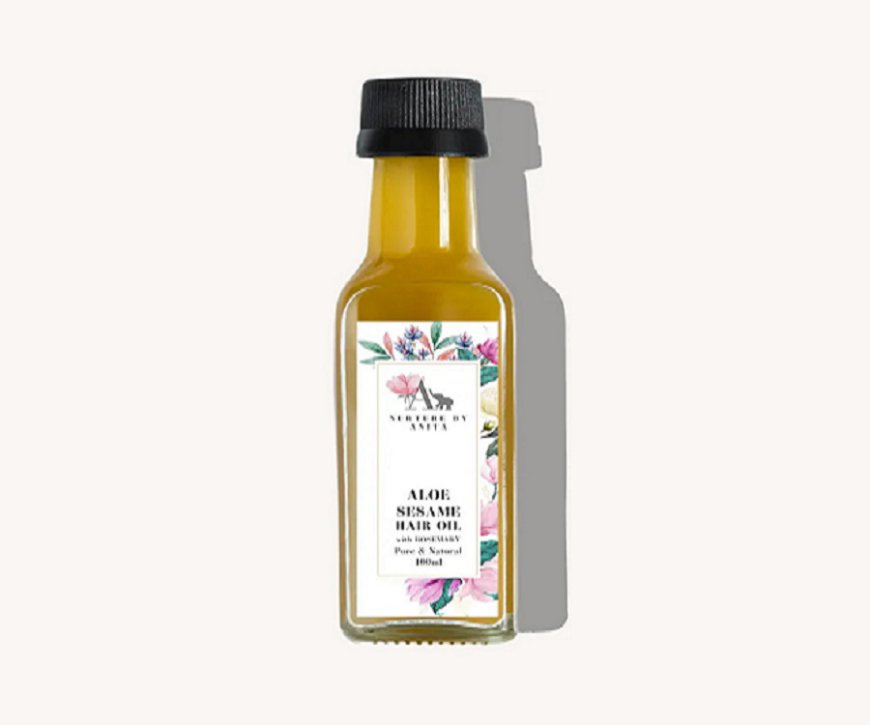
Hair care trends in India are evolving rapidly as consumers become more conscious about ingredients, scalp health, and long-term wellness. In 2026, women are increasingly moving away from harsh chemical-heavy products and focusing more on natural and botanical hair care routines. Traditional wellness practices are once again becoming an important part of modern beauty habits, especially when it comes to scalp nourishment and healthy-looking hair.
Among the many natural oils used in Ayurvedic hair care, black sesame hair oil continues gaining popularity because of its nourishing texture and traditional wellness benefits. For generations, sesame oil has been valued in Indian beauty rituals for supporting scalp comfort, improving softness, and maintaining healthier-looking hair naturally.
Today’s consumers are more informed about ingredient quality and scalp wellness than ever before. This growing awareness is encouraging botanical brands like Nurture By Anita to create thoughtfully crafted hair care solutions inspired by traditional Ayurvedic practices and modern beauty needs.
Why Scalp Nourishment Is Important
Healthy hair often starts with maintaining a balanced and nourished scalp environment. Many people focus only on visible hair texture while ignoring scalp care completely. However, environmental stress, pollution, hard water, poor nutrition, and excessive heat styling can affect scalp balance over time.
A poorly maintained scalp may contribute to:
- Dryness and rough texture
- Frizz and dullness
- Weak-looking hair
- Scalp discomfort
- Reduced softness and manageability
This is why scalp-focused beauty routines are becoming increasingly important among women in India.
The Growing Popularity of Botanical Hair Care
Modern consumers are choosing cleaner and ingredient-conscious products because they align with holistic wellness practices and sustainable beauty trends.
Popular hair care trends in 2026 include:
- Ayurvedic scalp care
- Botanical hair oils
- Sulfate-free routines
- Minimal ingredient products
- Slow beauty rituals
- Holistic wellness practices
These trends are reshaping how consumers approach daily hair care.
Benefits of Using black sesame hair oil
Sesame oil contains nourishing fatty acids and natural conditioning properties that make it suitable for regular scalp care routines.
1. Helps Improve Hair Softness
Dry and rough hair often becomes more manageable with consistent nourishment and moisture support.
2. Supports Moisture Balance
Botanical oils help improve hydration and support smoother-looking texture naturally.
3. Helps Reduce Rough Texture
Hair exposed to pollution and styling stress may appear dull and frizzy over time. Regular oiling may support better manageability.
4. Supports Scalp Comfort
Scalp nourishment remains essential for maintaining balanced and healthier-looking hair.
5. Helps Improve Natural Shine
Natural oils may improve shine and softness without depending heavily on styling products.
6. Supports Ayurvedic Hair Wellness
Sesame oil has remained an important part of Indian wellness traditions for generations.
Why Women in India Prefer Traditional Hair Oiling
Hair oiling continues remaining one of the most trusted beauty rituals across Indian households. While beauty trends change regularly, scalp nourishment remains a timeless part of holistic self-care.
Many women now prefer botanical routines because they focus on long-term wellness instead of temporary cosmetic results.
Benefits of regular hair oiling may include:
- Improved softness
- Better moisture balance
- Reduced dryness
- Healthier-looking texture
- Easier manageability
Consistent care often delivers better results over time compared to occasional treatments.
Hair Oiling Process for Better Results
Following the correct oiling process may improve the overall experience and effectiveness of scalp care routines.
Step 1: Warm the Oil Slightly
Lukewarm oil spreads more evenly and feels soothing during scalp application.
Step 2: Divide Hair into Sections
Sectioning helps improve scalp coverage and makes application easier.
Step 3: Massage Gently
Use fingertips to massage in circular motions for several minutes.
Step 4: Apply Along Hair Lengths
Focus especially on dry areas and hair ends.
Step 5: Leave the Oil for Some Time
Allow the oil to remain for one or two hours before washing.
Step 6: Use a Mild Shampoo
Gentle cleansing helps maintain moisture balance without excessive dryness.
Applying oil two or three times weekly may support healthier-looking hair over time.
Seasonal Hair Challenges in India
Indian weather conditions often affect scalp health and hair texture differently throughout the year.
Summer
Heat and humidity may increase scalp discomfort and rough texture.
Monsoon
Frizz and moisture imbalance become more common during humid conditions.
Winter
Cold weather may contribute to dryness and brittle hair texture.
Adjusting hair care routines according to weather conditions may help improve overall scalp comfort.
Supporting Hair Wellness Through Lifestyle Habits
Hair products work best when combined with healthy daily habits and balanced routines.
Eat a Balanced Diet
Protein, vitamins, healthy fats, and minerals support scalp wellness naturally.
Stay Hydrated
Proper hydration supports overall moisture balance and scalp comfort.
Reduce Heat Styling
Excessive use of styling tools may worsen dryness and roughness.
Sleep Properly
Healthy sleep supports body recovery and overall wellness.
Manage Stress
Stress often affects scalp condition and overall hair appearance.
Why Ingredient Transparency Matters
Modern consumers are paying closer attention to ingredient quality because they want cleaner and more mindful beauty routines.
People increasingly prefer products inspired by:
- Botanical wellness
- Ayurvedic traditions
- Natural ingredients
- Sustainable beauty practices
This growing awareness is shaping the future of Indian hair care trends.
Choosing the Right Hair Oil for Your Hair Type
Different hair types require different levels of nourishment and hydration.
Women experiencing severe dryness and styling damage often explore solutions like damage hair repair oil to improve texture and scalp comfort gradually.
Similarly, consumers searching for smoother texture and easier manageability often prefer the best oil for frizzy hair because botanical nourishment may help reduce roughness naturally.
Understanding individual hair needs often improves the effectiveness of scalp care routines.
Ayurvedic Hair Care and Modern Beauty Trends
Ayurvedic-inspired beauty practices continue growing because consumers increasingly value mindful self-care and holistic wellness.
Botanical oils, flowers, herbs, and plant extracts remain highly popular because they support natural beauty routines without depending heavily on synthetic formulations.
Modern hair care is no longer focused only on appearance. Consumers now prioritize overall scalp wellness and sustainable beauty practices.
Conclusion
Healthy-looking hair often begins with consistent scalp nourishment, balanced routines, and ingredient-conscious self-care habits. In 2026, more women across India are reconnecting with traditional beauty practices and botanical wellness routines designed to support long-term scalp comfort naturally.
Using black sesame hair oil regularly may help improve softness, support moisture balance, reduce rough texture, and encourage healthier-looking hair over time. Combined with balanced lifestyle habits and mindful hair care routines, botanical oils continue becoming an important part of modern scalp wellness practices.
For women looking to explore thoughtful and botanical-inspired scalp care solutions, Nurture By Anita continues offering Ayurvedic-inspired formulations designed around natural nourishment and modern hair wellness needs.
Frequently Asked Questions
1. How often should sesame oil be used on the scalp?
Most people benefit from using hair oil two or three times weekly depending on scalp condition and hair texture.
2. Is sesame oil suitable for dry hair?
Yes, sesame oil is commonly used to support hydration and smoother-looking texture.
3. Can hair oil help improve rough hair texture?
Regular nourishment may help improve manageability and softness naturally.
4. Why are Ayurvedic hair oils becoming popular again?
Consumers increasingly prefer botanical and ingredient-conscious beauty routines aligned with holistic wellness.
5. Does scalp massage improve the oiling experience?
Gentle scalp massage helps distribute oil evenly and supports a more relaxing self-care routine.