Sewer Camera Inspection Findings Homeowners Should Know Before Scheduling Sewer Cleaning
Learn common sewer camera inspection findings and what they mean before scheduling sewer cleaning to avoid costly plumbing mistakes.
 reliablepiperepair
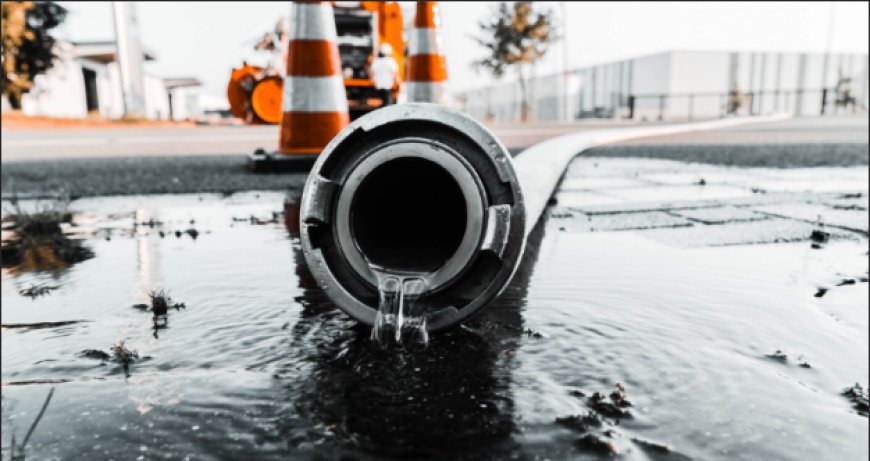
Sewer problems are not always obvious from the surface. Slow drains, recurring backups, or unexplained odors can point to deeper issues inside the sewer line that standard drain cleaning may not fix. That’s where a sewer camera inspection becomes valuable. By sending a camera through the line, technicians can see what’s actually causing the problem before any work begins. Understanding common sewer camera inspection findings helps homeowners know what they’re dealing with and avoid unnecessary or ineffective cleaning.
Read this guide to learn the key issues cameras often uncover, so you can make informed decisions before scheduling sewer cleaning or repairs.
Key Takeaway
-
Hidden issues like roots, cracks, and misaligned pipes cause repeat clogs.
-
Sewer cleaning often provides only temporary relief without inspection.
-
Slow drains are frequently mistaken for fixture issues like kitchen faucet repair.
-
Inspections help prevent costly interior damage and repeated plumbing services.
Common Sewer Camera Inspection Findings Homeowners Should Understand
A sewer camera inspection helps homeowners understand what is really happening inside their sewer line before scheduling sewer cleaning. Instead of guessing, the camera shows the exact condition of the pipes. This prevents wasted money and repeated plumbing problems. Below are the most common findings homeowners should know about and why each one matters:
-
Tree Root Intrusion
Tree roots naturally search for moisture and often enter sewer lines through small cracks or pipe joints. Once inside, roots grow and trap waste, paper, and debris. This leads to frequent backups even after sewer cleaning. Cutting roots may help for a short time, but the camera inspection usually shows whether pipe repair or lining is needed to stop the problem from returning. Root intrusion is one of the top reasons sewer cleanings fail to last.
-
Grease and Sludge Buildup
Grease buildup is common in sewer lines connected to kitchens. Over time, grease hardens inside the pipe and restricts flow. Sewer cleaning can remove grease, but a camera inspection shows how thick and widespread the buildup really is. Many homeowners assume slow drainage means they need kitchen faucet repair, when the real issue is grease in the main sewer line. Without inspection, grease problems often come back quickly.
-
Cracked or Broken Sewer Pipes
Older homes often have clay or cast-iron pipes that crack as they age. These cracks allow soil, roots, and water to enter the line. Sewer cleaning cannot fix cracked pipe walls. A camera inspection clearly shows fractures, collapsed sections, or leaking joints. Homeowners sometimes focus on bathroom drain repair, but the camera reveals that the damage is more serious in the sewer system.
-
Bellies or Low Spots in the Pipe
A belly forms when part of the sewer pipe sinks lower than the rest of the line. Water and waste collect in this low spot instead of flowing out. Even after sewer cleaning, debris settles back into the same area. Camera inspections are the only way to locate these low spots accurately and determine if pipe replacement or correction is needed.
-
Pipe Misalignment or Offsets
Pipes can shift due to soil movement, age, or poor plumbing installation. When pipe sections no longer line up correctly, waste catches at the joint and causes repeated blockages. Sewer cleaning may clear the line temporarily, but the misalignment remains. A camera inspection helps plumbers pinpoint the exact location of the offset so repairs can be targeted instead of guessing.
Conclusion
Sewer camera inspections give homeowners clear answers before scheduling sewer cleaning. They reveal hidden problems that cleaning alone cannot solve, including roots, cracks, buildup, and pipe misalignment. Without an inspection, many homeowners spend money on repeated sewer cleaning or unnecessary fixes like kitchen faucet repair or bathroom drain repair, while the real issue remains underground.
Understanding inspection findings helps prevent interior damage, avoid ceiling leak repair caused by backups, and plan proper plumbing installation when needed. Start with an inspection to fix the real problem once instead of dealing with ongoing plumbing frustration.
FAQs
Q1. Why is a sewer camera inspection important before sewer cleaning?
A sewer camera inspection shows what is actually blocking or damaging the sewer line. This helps determine whether sewer cleaning is enough or if repairs are needed to avoid repeat clogs.
Q2. Can sewer problems cause issues inside the home?
Yes. Sewer backups can lead to slow drains, odors, water damage, and even ceiling leak repair if wastewater pushes into walls or ceilings.
Q3. Why do clogs keep returning after sewer cleaning?
Recurring clogs often mean there is a deeper issue, such as root intrusion, cracked pipes, or pipe misalignment, that sewer cleaning alone cannot fix.
Q4. When should homeowners consider sewer inspection after plumbing installation?
After major plumbing installation or remodeling, inspections help confirm proper pipe alignment and prevent future sewer cleaning issues.