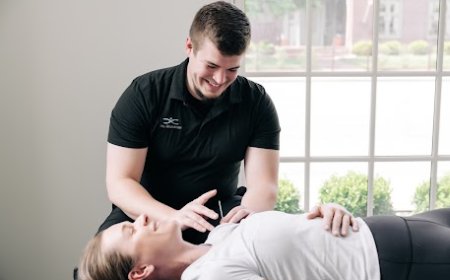
Skokie Lymphatic Drainage Massage and Trigger Point Therapy Care
 lisaarsonq
That lingering puffiness after surgery or the stubborn knot in your shoulder that won't quit, both point to different systems in your body asking for attention. Lymphatic drainage massage and trigger point therapy address these concerns through distinct techniques, and knowing when to use each one (or both) can make a real difference in how you feel.
This guide covers what each therapy does, how they work together, what to expect during a session in Skokie, and how to determine which approach fits your situation.
What Is Lymphatic Drainage Massage
Lymphatic drainage massage uses light, rhythmic strokes to move excess fluid through your lymphatic system, which is the network of vessels and nodes that filters waste from your tissues. The pressure is feather-light, much gentler than a typical massage, because lymphatic vessels sit just beneath the skin and respond best to slow, wave-like movements. You might hear this called manual lymphatic drainage or MLD.
Your lymphatic system doesn't have a pump like your heart. It relies on muscle movement and manual stimulation to keep fluid circulating. When fluid builds up, whether from surgery, sitting too long, or inflammation, lymphatic drainage helps push that fluid toward lymph node clusters where your body can process and eliminate it.
- Lymphatic system: a network of vessels running throughout your body that collects waste, excess fluid, and cellular debris
- Manual lymphatic drainage (MLD): the clinical name for this specialized massage technique
- How it differs from regular massage: the strokes are lighter and follow specific anatomical pathways rather than working muscle tissue
First-time clients often wonder if the touch is too light to do anything. That gentle pressure is intentional. Pressing harder actually compresses the lymphatic vessels and slows fluid movement rather than helping it.
What Is Trigger Point Therapy
A trigger point is a tight, tender knot that forms when muscle fibers stay contracted and restrict blood flow to that area. Trigger point therapy involves locating that knot and applying sustained pressure until the tissue softens and releases. The sensation can feel intense for a moment, then shifts to relief as the muscle lets go.
One thing that makes trigger points tricky is referred pain. A knot in your upper back might cause a headache. A tight spot in your hip could send discomfort down your leg. The pain you feel isn't always where the problem lives, which is why a trained therapist palpates the muscle to find the actual source.
You might also hear this called myofascial release or pressure point massage, though the technique specifically targets those hyperirritable spots in muscle tissue. The therapist holds pressure on each point for 30 to 90 seconds, waiting for the tissue to soften before moving on.
How Lymphatic Drainage and Trigger Point Therapy Work Together
Lymphatic drainage and trigger point therapy address different layers of tissue. Lymphatic work handles fluid congestion near the skin's surface. Trigger point therapy works deeper into the muscle belly where knots form. Combining both in one treatment plan covers more ground than choosing one approach alone.
Here's why the combination matters: when swelling decreases, trigger points become easier to locate and treat. And when muscle tension releases, lymph fluid can move more freely through that area. If you're dealing with both puffiness and chronic tightness, addressing only one layer leaves the other untreated.
For someone recovering from surgery who also has muscle tension from compensating for pain, or an athlete with both inflammation and tight spots from training, the two modalities complement each other well.
Why Skokie Patients Book Lymphatic and Trigger Point Care
People across Skokie seek this combination for different reasons. Here are the concerns that most commonly bring someone in.
Post-Surgical Swelling and Slow Recovery
After cosmetic procedures, orthopedic surgeries, or liposuction, fluid tends to accumulate around incision sites. Lymphatic drainage helps move that fluid so it doesn't pool and cause prolonged swelling. Many surgeons recommend starting lymphatic work within days of a procedure, though timing depends on the specific surgery and your doctor's guidance.
Chronic Muscle Knots and Referred Pain
If you have a tight spot in your neck, shoulders, or back that keeps returning despite stretching, the issue might be an active trigger point. Direct pressure on the knot often provides longer-lasting relief than general massage because it addresses the source rather than the surrounding tissue.
Tension Headaches and Neck Tightness
Trigger points in the upper trapezius (the muscle between your neck and shoulder), the suboccipital muscles (at the base of your skull), and the jaw muscles often contribute to recurring headaches. Releasing those spots can reduce headache frequency for many people, though results vary depending on the underlying cause.
Sluggish Circulation and Fluid Retention
Sitting at a desk all day, commuting, or standing for long shifts can leave your ankles puffy and your legs feeling heavy. Lymphatic drainage encourages fluid to move back toward your heart rather than pooling in your lower body. The effect is often noticeable within a day or two.
Athletic Overuse and Restricted Mobility
Runners, cyclists, and gym-goers use both modalities to recover from training. Trigger point release restores range of motion when muscles feel locked up. Lymphatic drainage clears metabolic waste that builds up after intense exercise, which can reduce soreness and speed recovery.
Conditions Treated With Manual Lymphatic Drainage and Myofascial Trigger Point Release in Skokie
Beyond the common reasons above, lymphatic drainage and trigger point therapy address specific clinical conditions:
- Lymphedema, whether primary (present from birth) or secondary (caused by surgery, infection, or injury)
- Post-operative edema from any surgical procedure
- Fibromyalgia tender points
- Myofascial pain syndrome, a chronic condition involving trigger points
- TMJ-related muscle tension in the jaw and face
- Sports injuries with localized swelling
- Chronic lower back pain with muscle guarding, where muscles stay tight to protect an injured area
If you have a diagnosed condition, let your therapist know during intake so they can adjust the session accordingly.
What Happens During a Skokie Lymphatic Drainage Massage Session
Knowing what to expect makes the first appointment easier.
Intake and Assessment
Your therapist starts by reviewing your health history. They'll ask about any surgeries, medications, areas of concern, and conditions that might affect treatment. This conversation helps them tailor the session to your situation and identify any contraindications.
Manual Lymphatic Drainage Technique
You lie face-up on the table, draped for comfort. The therapist applies light, slow strokes in a specific sequence, starting with areas closest to major lymph node clusters and working outward. The rhythm is steady and calming.
Targeted Drainage Pathways
Lymph fluid flows in one direction, so the therapist follows anatomical routes toward lymph node clusters in the neck, armpits, abdomen, and groin. Clearing the pathway ahead first allows fluid from more distant areas to drain properly. This sequencing is part of what distinguishes MLD from general massage.
What Happens During a Skokie Trigger Point Therapy Session
Trigger point sessions feel quite different from lymphatic work. The pressure is deeper and more focused.
Locating Active Trigger Points
The therapist palpates your muscles to find taut bands and tender spots. You might be asked to confirm when you feel tenderness or notice referred sensation somewhere else in your body. That feedback helps the therapist identify which points are active.
Sustained Pressure and Release
Once a trigger point is located, the therapist applies steady pressure and holds. This is sometimes called ischemic compression. The pressure temporarily restricts blood flow to the area, and when released, fresh blood rushes in. Most points take 30 to 90 seconds to soften.
Myofascial Stretching and Reassessment
After releasing a trigger point, the therapist may stretch the muscle and recheck your range of motion. This confirms that the release took hold and identifies any remaining restrictions that might need attention.
Session Length, Pricing, and Booking Frequency in Skokie
How long your session lasts depends on what you're addressing and whether you want one modality or both.
|
Session Type |
Typical Length |
Common Frequency |
|
Lymphatic drainage only |
60 minutes |
Weekly or twice weekly post-op, then tapering |
|
Trigger point therapy only |
30–60 minutes |
Weekly until pain resolves |
|
Combined session |
75–90 minutes |
As recommended by your therapist |
Post-surgical patients often come multiple times per week initially, then reduce frequency as swelling decreases. For chronic muscle tension, weekly sessions are common until the issue stabilizes. Your therapist can recommend a schedule based on your specific situation.
When to Avoid Lymphatic Drainage or Trigger Point Therapy
Certain conditions make lymphatic drainage or trigger point therapy inappropriate. You'll want to reschedule or consult your doctor first if you have:
- Active infection or fever
- Untreated congestive heart failure
- Blood clots (DVT) or thrombosis
- Active cancer without physician clearance
- Acute inflammation or open wounds in the treatment area
- Kidney failure
Always share your full health history before booking. Your therapist can advise whether to proceed, modify the session, or wait until you've been cleared by a physician.
How to Prepare for and Recover After Your Session
A little preparation and simple aftercare can improve your results.
Step 1. Hydrate Before Your Session
Drinking water in the hours before your appointment supports lymph flow. Well-hydrated tissue responds better to manual work, and your body can process and eliminate waste more efficiently.
Step 2. Skip Heavy Meals and Alcohol
Eating a large meal right before lying on a massage table can be uncomfortable. Alcohol can interfere with circulation and leave you dehydrated, which works against what lymphatic drainage is trying to accomplish.
Step 3. Move Gently and Rest After
Light walking after lymphatic work helps maintain fluid movement. After deep trigger point release, rest is appropriate so your muscles can recover. Some people feel a bit tired or sore the day after trigger point therapy, which is normal as the tissue heals.
Book Skokie Lymphatic Drainage and Trigger Point Care With Chicago Chiropractic & Sports Injury Centers
Chicago Chiropractic & Sports Injury Centers offers both lymphatic drainage massage and trigger point therapy in Skokie. To schedule your session, book online or call today.
Frequently Asked Questions About Lymphatic Drainage and Trigger Point Therapy in Skokie
When should you not do lymphatic drainage massage?
Avoid lymphatic drainage if you have an active infection, blood clots, untreated heart failure, or cancer without a doctor's approval. Share your full health history before booking so your therapist can advise you.
Where are the pressure points for lymphatic drainage?
Lymphatic drainage targets lymph node clusters in the neck, armpits, abdomen, and groin rather than muscle pressure points. The therapist uses light strokes along pathways leading to those nodes to encourage fluid movement.
How long does it take for lymphatic drainage to lower inflammation?
Many people notice reduced puffiness within a day or two after a single session. Post-surgical patients often need a series of sessions over several weeks for sustained results.
Can trigger point therapy be combined with chiropractic care?
Trigger point therapy and chiropractic adjustments often complement each other. Releasing muscle tension can help chiropractic corrections hold longer because tight muscles won't pull joints back out of alignment as quickly.
How soon after surgery can I get lymphatic drainage in Skokie?
Timing depends on the procedure and your surgeon's guidance. Many patients begin lymphatic drainage within a few days to a week post-op, though you'll want clearance from your surgical team first.